Click & Collect or 24hr Dispatch*

Active Sensory Play for Growing Toddlers

Sensory Toys for 1 Year Olds

Discover sensory toys for 1 year olds designed to support movement, tactile exploration, independent play, and sensory discovery through safe, engaging, and age-appropriate toddler play experiences. From movement toys for active toddlers to cause-and-effect sensory toys and textured exploration activities, these sensory toys help one year olds explore their world through hands-on learning, movement, curiosity, and play.


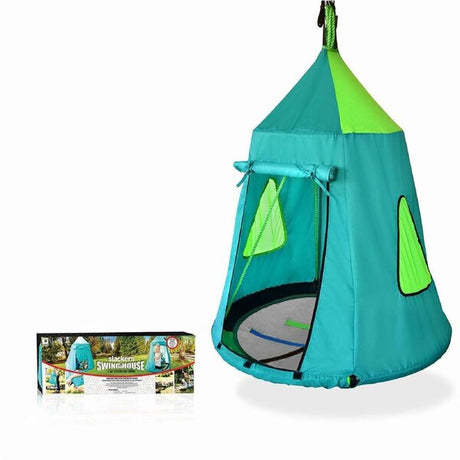
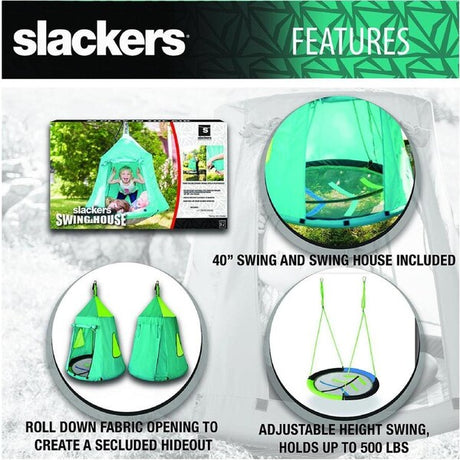
Movement Toys for Walking Toddlers Who Love Climbing and Exploring

Why Sensory Play Changes So Much at 1 Year Old

Around the first birthday, sensory play often becomes much more active, physical, and curiosity-driven. Many one year olds are learning to walk, climb, carry, throw, stack, push, pull, and explore how objects move and respond around them. At this stage, toddlers often learn best through movement, repetition, tactile exploration, and hands-on experimentation rather than passive play.

Sensory toys for 1 year olds are designed to support these rapidly changing developmental stages through safe and engaging sensory experiences that encourage exploration without becoming overwhelming or overly complicated.
Many parents begin searching for sensory toys for one year olds while looking for:

  • toys for busy toddlers
  • movement toys for 1 year olds
  • sensory toys for walking toddlers
  • toys for independent play
  • cause-and-effect sensory toys
  • tactile toys for toddlers

Unlike newborn sensory toys, sensory toys for toddlers age 1 often focus more heavily on movement, interaction, repetition, and independent sensory exploration while still remaining safe, approachable, and easy for toddlers to understand through play.

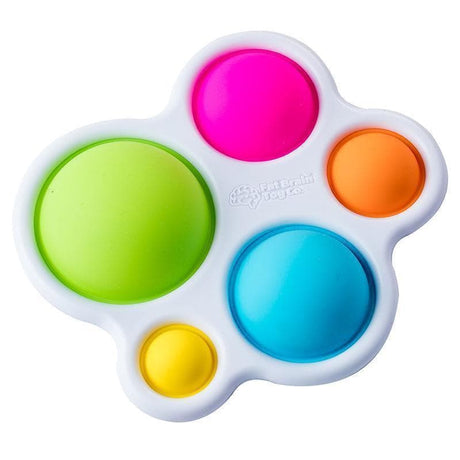
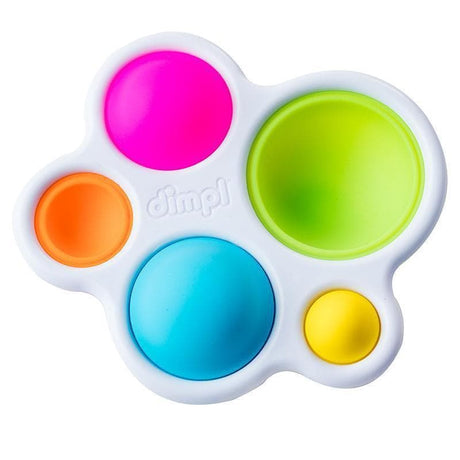
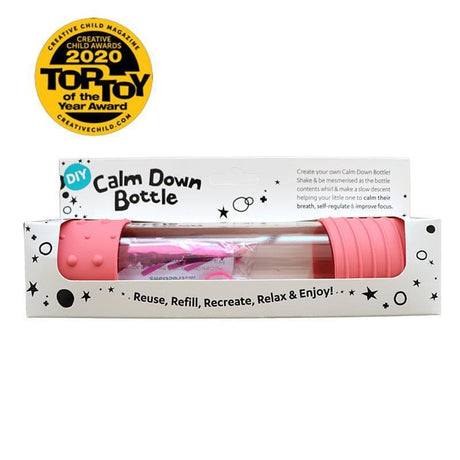
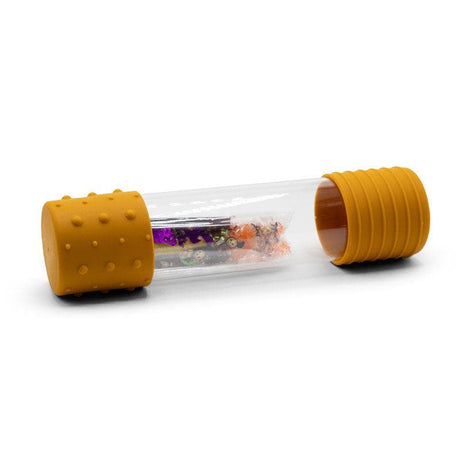
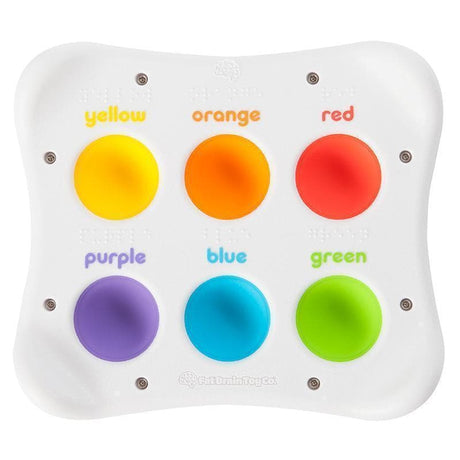
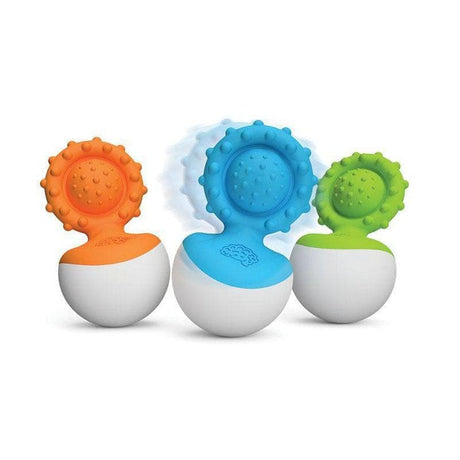
Movement Sensory Toys Tactile Toddler Play Cause & Effect Toys Cause & Effect Toys

Supports Active Movement and Sensory Exploration

Many one year olds naturally learn through movement, climbing, carrying, pushing, pulling, and touching everything around them. Sensory toys for 1 year olds encourage active sensory exploration through movement-based play, tactile interaction, and hands-on experiences that match this highly physical stage of development.

Encourages Independent Play Through Simple Cause-and-Effect Learning

Toddlers around 12–24 months often become fascinated by repetition and discovering how objects move, stack, roll, spin, open, or respond to their actions. Cause-and-effect sensory toys help one year olds build confidence through simple interactive play that feels rewarding and easy to repeat independently.

Provides Engaging Sensory Play Without Overstimulation

Many parents look for sensory toys that keep busy toddlers engaged without relying on flashing lights, loud sounds, or highly stimulating electronic features. Open-ended sensory toys and tactile toddler activities often encourage longer periods of calm, focused exploration while still supporting movement and curiosity.

Movement Toys for Walking Toddlers Who Love Climbing and Exploring

As toddlers begin walking and climbing more confidently, many families start searching for sensory toys for active toddlers that encourage safe movement, pushing, carrying, balancing, and physical exploration. Movement-based sensory toys help one year olds stay engaged through active hands-on play while supporting coordination, confidence, and body awareness during everyday sensory exploration.

Sensory Toys for Busy Toddlers Who Struggle With Independent Play

Some one year olds move quickly between activities and struggle to stay engaged with toys that feel too passive or restrictive. Sensory toys for independent play encourage toddlers to explore through repetition, tactile discovery, simple problem-solving, and cause-and-effect interaction in ways that feel rewarding without requiring constant adult direction.

Choosing the Right Sensory Toys for 1 Year Olds

What Type of Sensory Toy Is Best for Your Toddler?

The best sensory toys for one year olds depend on how your toddler prefers to explore, move, and interact through play.

Choose Movement-Based Sensory Toys If Your Toddler…

  • is constantly walking or climbing enjoys active exploration loves pushing and carrying objects struggles to sit still for long seeks movement during play enjoys physical sensory activities

Choose Tactile & Cause-and-Effect Toys If Your Toddler…

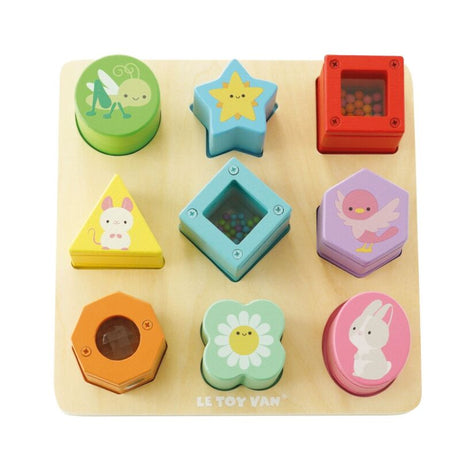
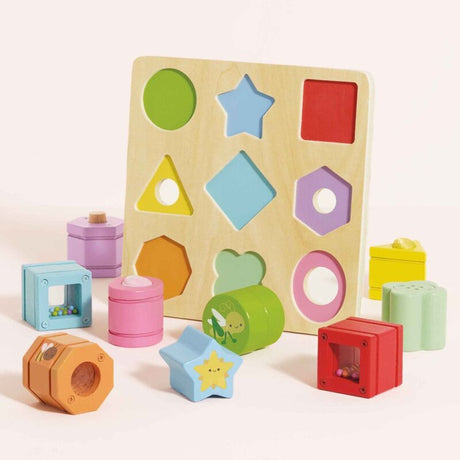
  • enjoys repetitive play likes stacking or sorting activities explores through touch and textures enjoys independent seated play loves opening, dropping, or spinning objects prefers calmer sensory activities
Many families combine movement toys with tactile sensory toys so one year olds can alternate between active exploration, independent play, and quieter sensory activities throughout the day.

Why Families Choose My Happy Helpers for Sensory Toys for 1 Year Olds

Toddler-safe sensory toys designed for active movement, tactile exploration, and independent play

Durable, age-appropriate toys that support sensory discovery without overstimulation

Open-ended sensory play products designed to grow with busy toddlers through multiple developmental stages

What Makes a Good Sensory Toy for a 1 Year Old?

The best sensory toys for 1 year olds feel engaging, durable, safe, and easy for toddlers to interact with independently. Parents often look for:

  • toddler-safe materials
  • simple cause-and-effect interaction
  • movement opportunities
  • tactile sensory feedback
  • easy-to-grasp pieces
  • open-ended play value
  • toys that grow with development

At this age, toddlers often stay engaged longer with sensory toys that encourage active participation rather than passive entertainment.

When Some Sensory Toys May Be Too Advanced or Overstimulating

Highly complex construction toys, advanced STEM toys, or overstimulating electronic toys may feel frustrating or overwhelming for younger toddlers who are still learning through movement, repetition, and simple sensory exploration. Sensory toys for one year olds work best when they encourage curiosity and interaction without becoming too complicated or overstimulating too quickly.

Sensory Play Designed for Busy, Curious One Year Olds
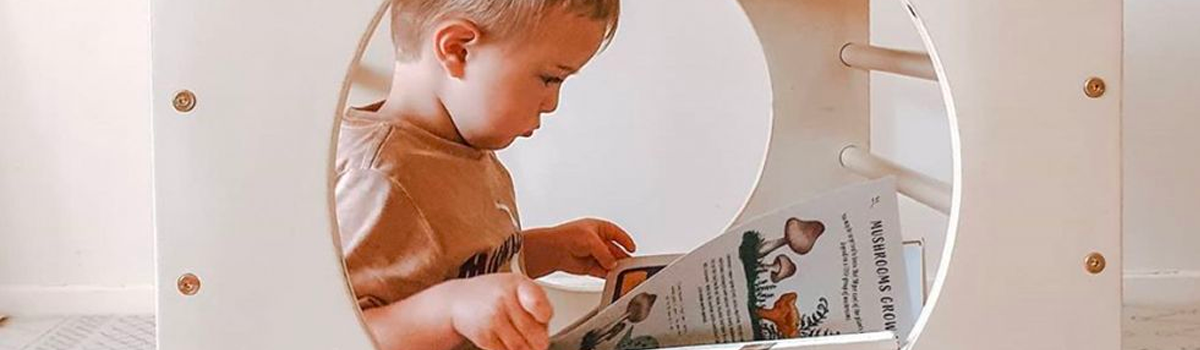
Sensory toys for 1 year olds help toddlers explore movement, textures, repetition, and independent play through engaging hands-on sensory experiences. Whether your toddler loves climbing, carrying, stacking, pushing, or tactile exploration, age-appropriate sensory toys create safe opportunities for movement, curiosity, confidence, and discovery throughout everyday play.

Frequently asked questions
When should toddlers move from baby sensory toys to toddler sensory toys?

Many toddlers naturally begin transitioning from baby sensory toys to more active toddler sensory toys around 12 months as movement, curiosity, climbing, and independent exploration increase. At this stage, toddlers often become more interested in toys that encourage pushing, carrying, stacking, movement, and cause-and-effect interaction rather than passive sensory observation alone.

Can sensory toys help independent play for toddlers?

Yes. Many sensory toys encourage toddlers to explore, repeat actions, solve simple problems, and experiment independently through tactile sensory play and cause-and-effect interaction. Open-ended sensory toys often allow one year olds to stay engaged without requiring constant adult instruction or structured activities.

Are wooden sensory toys better for toddlers?

Some families prefer wooden sensory toys because they are durable, open-ended, and often less overstimulating than electronic toys with flashing lights or loud sounds. Wooden sensory toys can encourage calmer sensory exploration, tactile engagement, and imaginative play while still supporting active toddler learning and movement-based play.

What are good sensory toys for 12 month olds?

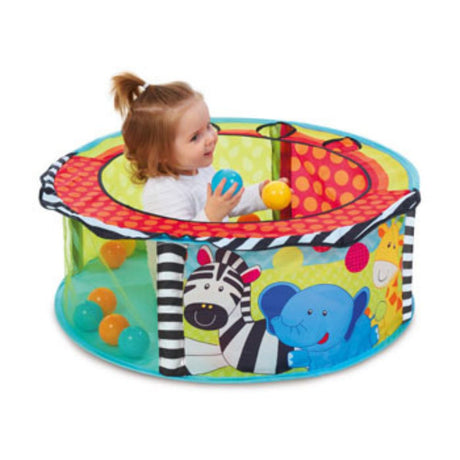
Many 12 month olds enjoy sensory toys that support grasping, pushing, stacking, rolling, carrying, tactile exploration, and simple problem-solving. Textured balls, sensory blocks, movement toys, beginner cause-and-effect toys, sensory activity toys, and tactile toddler toys are often popular at this stage as toddlers become more physically confident and curious.

What toys help busy toddlers stay engaged longer?

Busy toddlers often stay engaged longer with toys that allow active participation, repetition, and sensory interaction rather than passive entertainment. Cause-and-effect sensory toys, tactile exploration toys, movement toys, stacking toys, and open-ended sensory activities help toddlers explore independently while still keeping their hands and bodies actively involved in play.

What sensory toys are best for walking toddlers?

Walking toddlers often enjoy movement-based sensory toys that encourage pushing, pulling, balancing, carrying, climbing, rolling, or active exploration. Movement toys, ride-ons, sensory balls, climbing toys, and open-ended sensory activities are commonly popular for toddlers who are constantly on the move and seeking physical sensory input.

Are sensory toys good for one year olds?

Yes. Sensory toys can support one year olds as they explore movement, textures, sounds, coordination, repetition, and problem-solving through hands-on play. At this stage, toddlers naturally learn by touching, carrying, dropping, climbing, pushing, and experimenting with objects around them, and sensory toys help provide safe opportunities for this type of exploration.

What are the best sensory toys for 1 year olds?


The best sensory toys for 1 year olds are toys that encourage movement, tactile exploration, simple cause-and-effect interaction, and independent play without becoming overly complicated or overstimulating. Many toddlers at this age enjoy movement toys, stacking toys, sensory balls, textured toys, push-and-pull toys, and simple sensory activities that allow them to explore through repetition and active play.