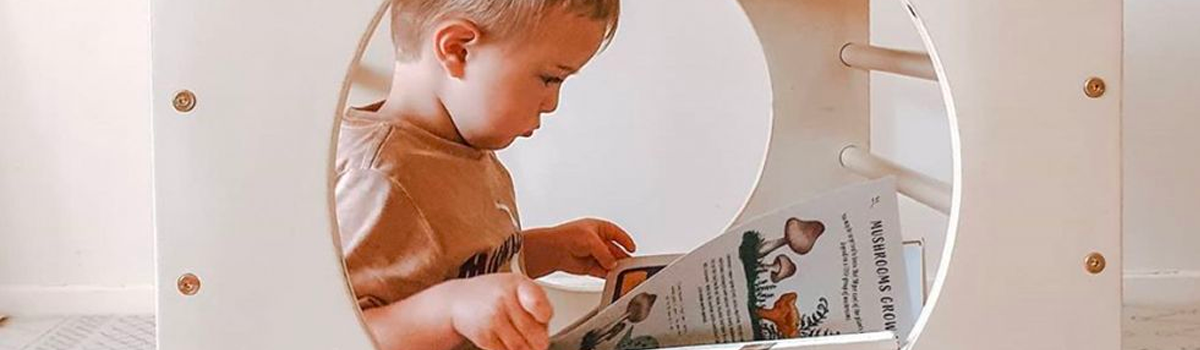
Helping Children Understand Patterns, Quantity And Relationships
Early Math
Start here
Early maths is not about teaching calculations. It is about helping children understand quantity, comparison, sequence, patterns and relationships.
Some children become fascinated by numbers, while others focus on patterns, comparisons or understanding how time and routines work. These are all important parts of early mathematical thinking.
-
 $21.95Unit price /Unavailable
 -
![Close-up detail of the First 100 Puzzle Cards]() Up to 10% off$17.95
Up to 10% off$17.95$19.95Unit price /Unavailable -
10% off
The World of Eric Carle™ 2-Sided Alphabet & Counting Puzzle
$44.95$49.95Unit price /Unavailable -
10% off$49.45
$54.95Unit price /Unavailable -
10% off$44.95
$49.95Unit price /Unavailable -
10% off$44.95
$49.95Unit price /Unavailable -
10% off
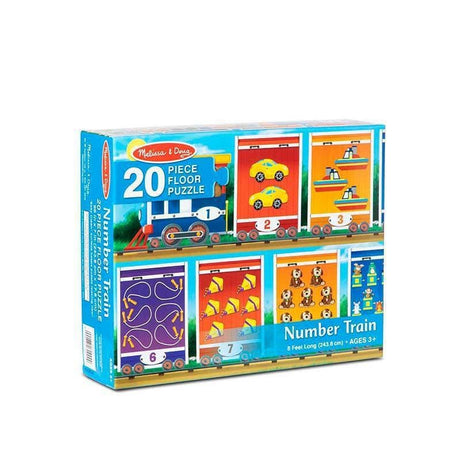
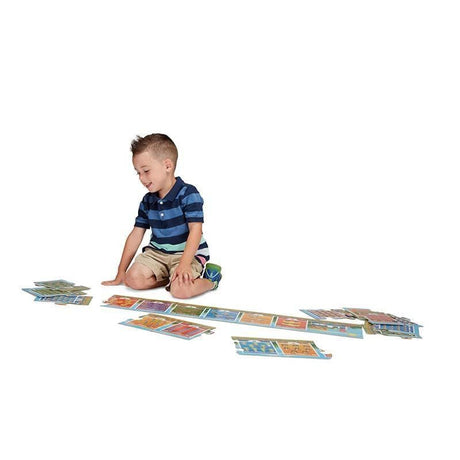
Number Train Floor Puzzle - 20pc
$26.95$29.95Unit price /Unavailable -
10% off
-
 $39.95Unit price /Unavailable
 -
13% off
-
10% off
-
 10% off$15.25
$16.95Unit price /Unavailable -
10% off$11.25
$12.50Unit price /Unavailable -
10% off$11.65
$12.95Unit price /Unavailable -
$24.95Unit price /Unavailable






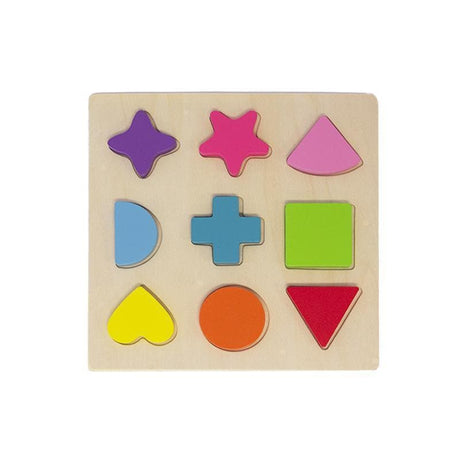
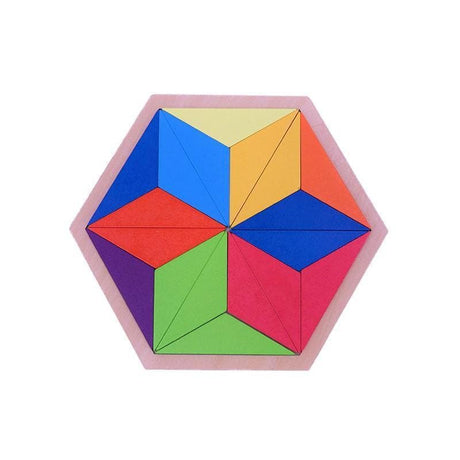
Mathematics Begins With Understanding, Not Memorisation
Patterns & Relationships
Mathematical Thinking
Quantity & Comparison
Early Numeracy
Always Counting
Number Recognition Toys
More Or Less
Abacus / Counting Frames
Understanding Time
Choose this path
Size & Comparison
Measuring & Size
My Child Counts Everything They See
My Child Constantly Compares Quantities
I want to introduce time in a way they understand
They’re learning big, small, more and less
Mathematical Thinking Starts With Reasoning
Many Early Maths Concepts Grow From Problem Solving Skills
Children Learn Maths By Making Sense Of The World Around Them