Click & Collect or 24hr Dispatch*

15% Off Sitewide & Clearance*

EOFY15
From Letter Recognition To Word Building

Magnetic Letters

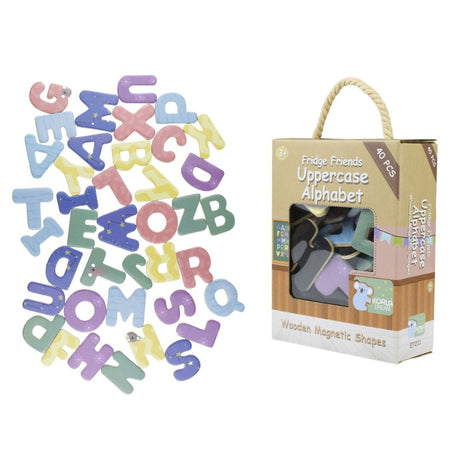
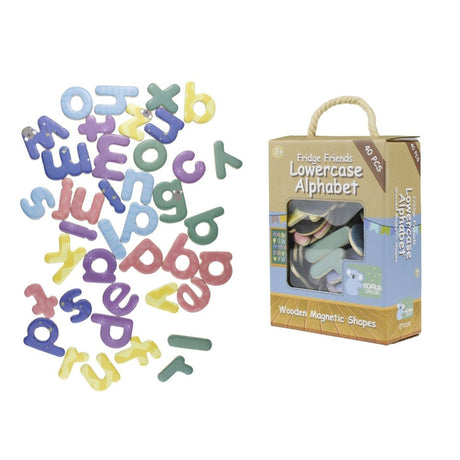
Magnetic letters help little ones move beyond recognising letters and begin building words, exploring spelling patterns and experimenting with language through hands-on play. Whether your child is learning the alphabet, practising simple words or developing confidence with early literacy concepts, magnetic alphabet letters create meaningful opportunities for learning through play.


Magnetic Letters For Children Ready To Build Their First Words

Why Magnetic Letters Matter

Recognising letters is an important first step in literacy development, but eventually children become curious about how those letters work together. Magnetic letters help bridge the gap between letter recognition and reading by allowing children to manipulate letters, build simple words and experiment with language in a hands-on way.

Unlike worksheets or formal lessons, magnetic alphabet letters encourage children to learn through discovery. Little ones can arrange letters, copy words, build familiar names and explore spelling patterns independently. This playful experimentation helps children develop stronger familiarity with written language while maintaining confidence and curiosity.

Because magnetic letters can be used repeatedly in different ways, they often remain relevant across multiple stages of literacy development. Children may begin by identifying individual letters before progressing to word building, simple spelling and early reading activities as confidence grows.

Word Building Letter Exploration Early Spelling Literacy Confidence

Transforms Letters Into Meaningful Words

Magnetic letters help children move beyond recognising letters and begin understanding how letters combine to create words.

Encourages Independent Literacy Exploration

Children can build, rearrange and experiment with letters freely, creating valuable opportunities for self-directed learning.

Supports Multiple Stages Of Literacy Development

From recognising letters to building words and exploring spelling patterns, magnetic letters grow alongside developing literacy skills.

Shop by need

Magnetic Alphabet Letters For Everyday Literacy Play

Magnetic alphabet letters can transform everyday environments into literacy-rich learning spaces. Whether used on whiteboards, magnetic boards or refrigerators, they encourage repeated interaction with letters and words throughout the day.

Choosing The Right Magnetic Letter Activity

Match The Activity To Your Child's Literacy Stage

Magnetic letters are most effective when they match a child's current literacy confidence. Some children are ready to explore letters independently, while others are beginning to build words and experiment with spelling.

Choose Letter Exploration Activities If

  • Your child confidently recognises many letters They enjoy sorting and arranging symbols They are curious about words but not reading yet They like hands-on learning activities They enjoy finding letters from their own name Confidence building is still the priority

Choose Word Building Activities If

  • Your child recognises most common letters They ask how words are made They enjoy copying simple words They are beginning to sound out words They want to create names independently Early spelling is becoming interesting
Children gain the most value from magnetic letters when they can successfully experiment, rearrange and discover patterns at their own pace. Choosing the right stage keeps literacy learning enjoyable and engaging.

Helping Children Discover How Words Are Built

Strong, secure magnets designed for toddler use

Sized appropriately for little hands

Durable materials for repeated play

Easy for children to use independently

Designed to support calm, focused play

What Should Parents Look For In Magnetic Letters?

The best magnetic letters do more than help children recognise the alphabet. They create opportunities for children to manipulate language physically, helping them understand that letters work together to form meaningful words. This hands-on interaction often helps children develop a deeper understanding of written language than simply looking at letters on a page.

Parents should look for magnetic letters that are easy to handle, visually clear and durable enough for repeated use. Children often spend considerable time sorting, arranging, building and rebuilding words as they explore literacy concepts. Well-designed magnetic letters encourage experimentation without fear of making mistakes, helping children approach language with curiosity rather than pressure.

Magnetic letters are particularly valuable because they grow with the child. A child may begin by identifying individual letters before progressing to names, simple words and eventually more advanced spelling activities as confidence develops.

When Magnetic Letters May Not Be The Right Choice

Magnetic letters are most effective after children have developed some familiarity with the alphabet. Children who are still learning to recognise basic letter shapes may benefit more from alphabet toys that focus specifically on letter identification and recognition.

Likewise, children who are ready to focus on reading fluency may gain greater value from early reading activities designed around phonics, decoding and word recognition. Magnetic letters sit between these stages. They help children understand how letters combine to form words and provide opportunities to experiment with language through play.

The goal is not perfect spelling. The goal is helping children develop confidence with language by actively exploring how words are created.

Building Literacy Confidence One Word At A Time
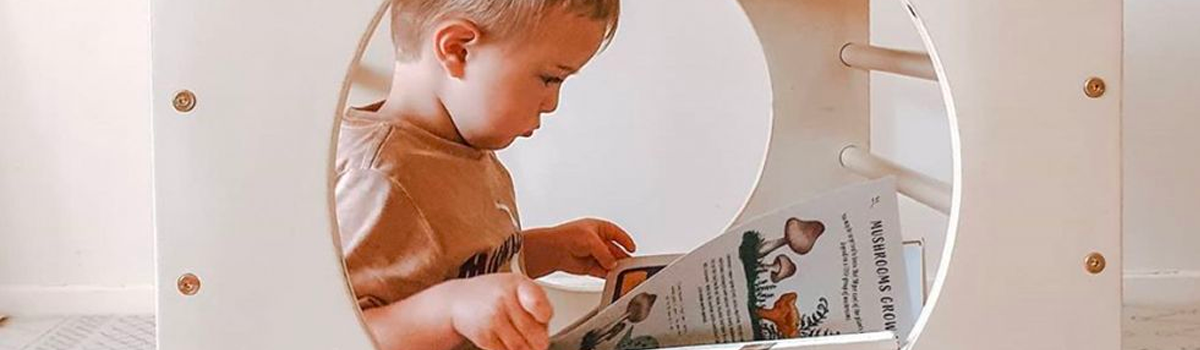
Magnetic letters provide a unique opportunity for children to move beyond recognising letters and begin understanding how written language works. By physically manipulating letters, building words and experimenting with spelling patterns, children develop stronger connections between letters, sounds and meaning.

Unlike many literacy resources, magnetic letters encourage exploration rather than instruction. Children can build familiar names, create simple words, rearrange letters and test ideas independently. This process helps develop confidence while keeping learning playful and engaging.

Whether your child is beginning to combine letters for the first time or confidently creating simple words, magnetic letters can provide meaningful literacy experiences that support future reading, spelling and language development.

Frequently asked questions
Why do children often return to magnetic letter activities repeatedly?

Magnetic letters offer almost unlimited opportunities for variation. Children can build names one day, explore simple words the next and experiment with spelling patterns later. As literacy skills grow, the same resource continues providing new challenges and opportunities for exploration.

This adaptability creates strong replay value. Children are not completing a single task and moving on. Instead, they are using the same letters in different ways as their understanding evolves. This ongoing relevance is one reason magnetic letters remain popular in homes and educational environments.

The best literacy resources grow with the child. Magnetic letters do exactly that by supporting multiple stages of language development through one simple, versatile activity.

Are magnetic letters useful for children who struggle with writing?

Magnetic letters can be particularly valuable for children who find handwriting challenging because they remove the physical demands associated with writing. Instead of focusing on pencil grip, letter formation and fine motor control, children can focus entirely on language concepts.

This separation allows children to practise spelling, word building and literacy exploration without becoming frustrated by writing difficulties. Many children who resist handwriting activities enjoy working with magnetic letters because they can experience success more easily.

As confidence grows, magnetic letters can complement writing development by helping children strengthen their understanding of words before transferring those skills to paper.

How do magnetic letters encourage independent learning?

Unlike many structured literacy activities, magnetic letters allow children to direct their own learning experiences. A child may choose to build their name, copy a favourite word, create nonsense words or sort letters into groups. Each of these activities provides valuable opportunities for literacy exploration.

This independence encourages curiosity and problem solving because children become active participants rather than passive learners. They learn through experimentation, observation and repetition, which often leads to stronger engagement and retention.

Many parents find that magnetic letters become one of the few literacy resources children voluntarily return to because the experience feels playful rather than instructional.

Can magnetic letters support school readiness?

School readiness involves much more than memorising letters. Children benefit from developing familiarity with language, confidence with literacy concepts and willingness to engage with words. Magnetic letters provide opportunities to practise all three.

By experimenting with letters and simple words, children begin developing an understanding that written language carries meaning. They also gain experience following patterns, solving problems and recognising familiar words. These skills often support future reading and spelling development once formal learning begins.

Most importantly, magnetic letters can help children approach literacy with confidence rather than anxiety, creating positive associations with learning that continue into the school years.

Why do some children prefer magnetic letters over worksheets?

Many children learn best when they can physically interact with concepts rather than simply looking at them on paper. Magnetic letters transform literacy into a hands-on experience, allowing children to build, move, rearrange and experiment independently.

Worksheets often focus on producing correct answers, while magnetic letters encourage exploration and discovery. Children can test ideas, make changes and investigate language patterns without worrying about mistakes. This freedom often creates greater engagement and longer periods of focused learning.

For children who enjoy tactile learning, magnetic letters can make literacy feel more accessible and enjoyable than traditional paper-based activities.

What makes premium magnetic letters different from cheaper alternatives?

High-quality magnetic letters are designed for repeated use, easy handling and long-term literacy engagement. Premium sets typically offer stronger durability, clearer letter presentation and a more enjoyable learning experience. Children often spend years interacting with magnetic letters as their literacy skills develop, so quality becomes important.

Well-designed magnetic letters are easier for little hands to manipulate and easier for children to recognise visually. Durable construction also ensures letters remain usable despite regular handling, sorting and rearranging.

Parents should think beyond initial letter recognition when choosing magnetic letters. A quality set should support everything from simple letter exploration to word building and early spelling activities, providing value across multiple stages of literacy development.

Can magnetic letters help children who are not yet reading?

Yes. Magnetic letters are often useful before independent reading begins. Reading and word building develop along related but separate pathways. A child may not be reading books independently yet still benefit greatly from manipulating letters and exploring simple words.

Magnetic letters provide opportunities to build names, identify familiar words and recognise repeating letter patterns. These experiences help children develop familiarity with written language in a playful, low-pressure environment. Many children enjoy experimenting with letters long before formal reading instruction becomes part of their learning journey.

Because magnetic letters encourage active participation rather than passive observation, they can help children build confidence and curiosity about language before they become confident readers.

Are magnetic letters good for helping children learn to spell?

Magnetic letters can be one of the most effective early spelling resources because they allow children to experiment freely with language. Unlike writing, which requires fine motor control and pencil skills, magnetic letters allow children to focus purely on letter selection, sequencing and word formation.

Children can rearrange letters repeatedly, test ideas and correct mistakes without frustration. This process encourages active problem solving and often helps children develop a deeper understanding of spelling patterns. Rather than memorising words passively, they begin exploring how letters work together.

Many parents find that magnetic letters naturally encourage discussions about sounds, word families and simple spelling concepts. Over time, these repeated interactions help children build confidence while developing stronger familiarity with written language.

What's the difference between magnetic letters and alphabet toys?

Although both support literacy development, they typically serve different purposes. Alphabet toys are usually designed to help children recognise and identify letters. They introduce letter shapes, names and visual familiarity. Magnetic letters build on this foundation by allowing children to actively manipulate letters and experiment with word creation.

A child using alphabet toys may focus on recognising individual letters such as A, B and C. A child using magnetic letters begins exploring how those letters work together to form names, simple words and spelling patterns. This transition represents an important step in literacy development because children move from recognising symbols to understanding relationships between letters.

For many families, alphabet toys come first, while magnetic letters become valuable once letter recognition is becoming more confident and children are ready for greater independence in language exploration.

How can parents tell if their child is ready for magnetic letters?

Many children become ready for magnetic letters once they can recognise at least some letters consistently and show curiosity about words, names or signs they see in everyday life. A child does not need to know the entire alphabet before using magnetic letters successfully. In fact, magnetic alphabet letters often help strengthen letter familiarity through repeated hands-on interaction.

Parents frequently notice readiness when little ones begin asking what letters say, recognise letters from their own name or attempt to copy words they see around them. Magnetic letters allow children to explore language without the pressure of handwriting, making them an accessible next step after basic alphabet recognition.

Because letters can be moved, rearranged and corrected easily, magnetic letter activities often feel less intimidating than writing. This flexibility encourages experimentation and helps children develop confidence as they begin exploring how letters combine to create words.