Click & Collect or 24hr Dispatch*

Learning Towers & Toddler Towers For Independent Toddlers

Learning Towers

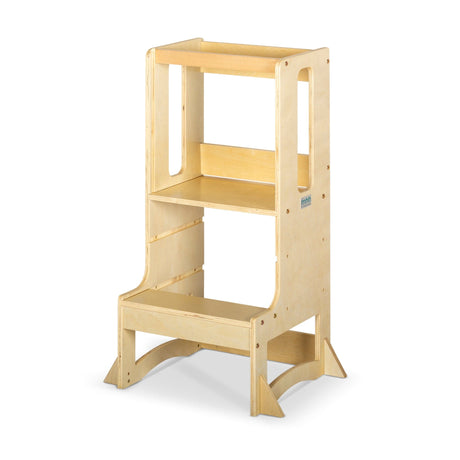
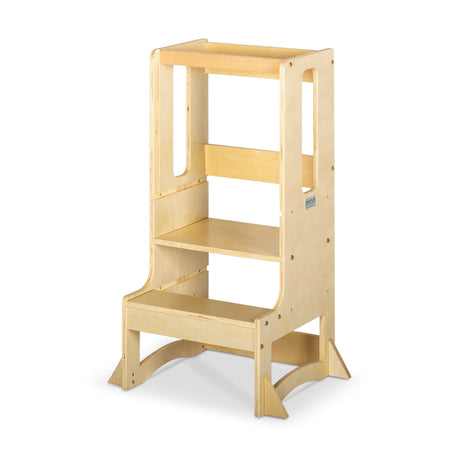
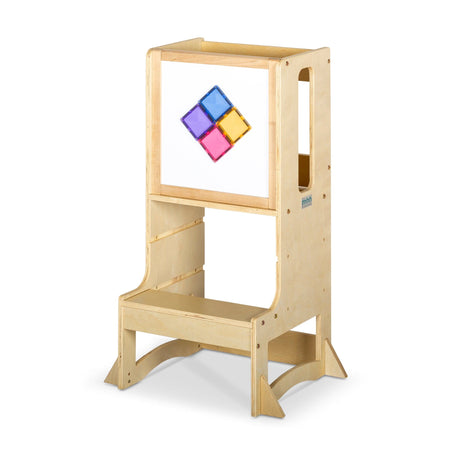
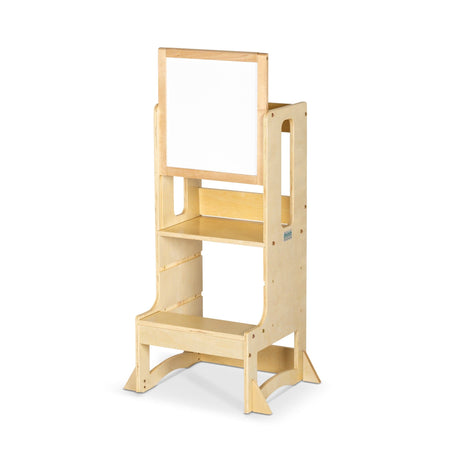
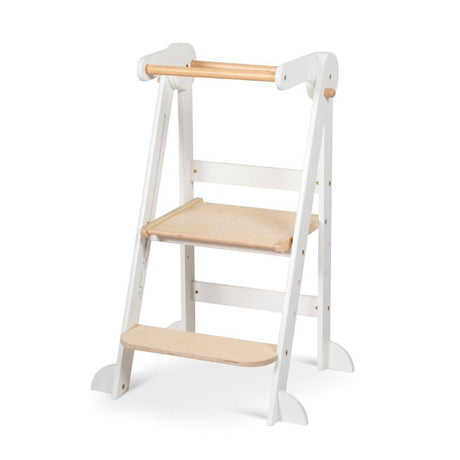
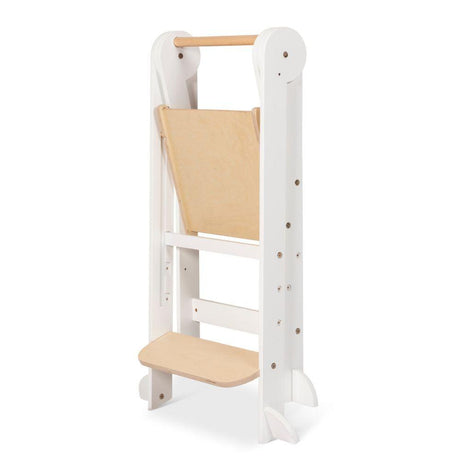
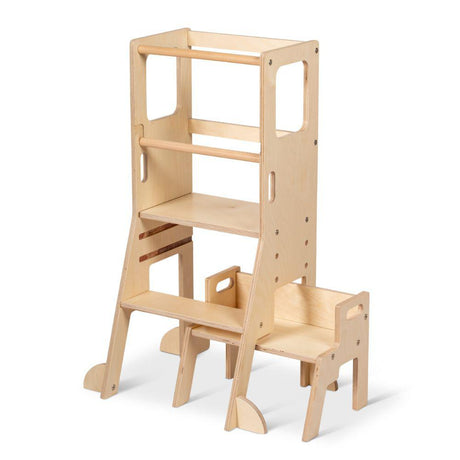
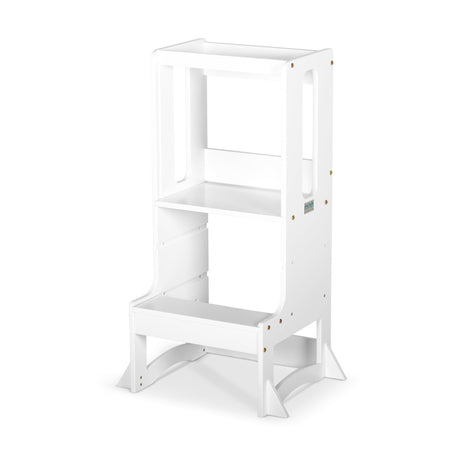
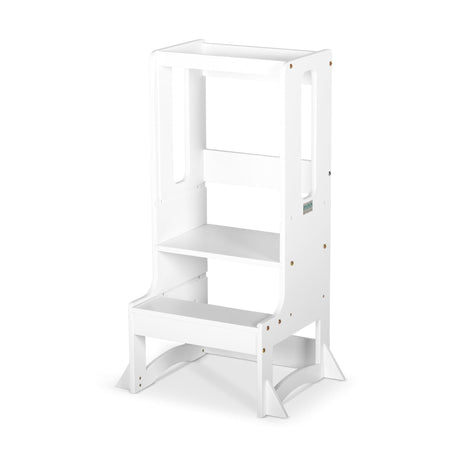
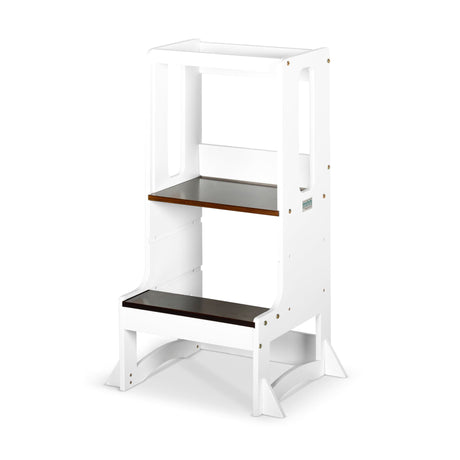
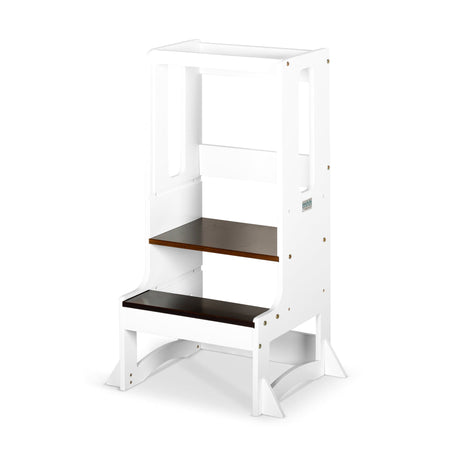
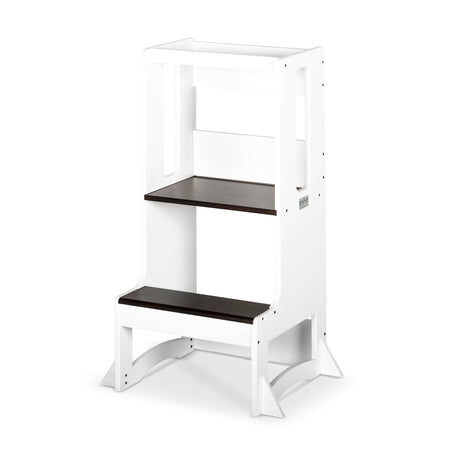
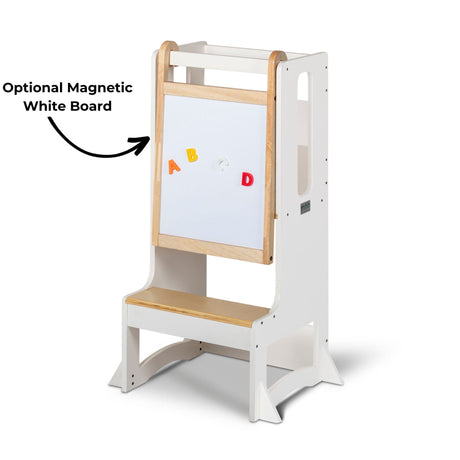
Learning towers help toddlers participate more actively in everyday family life. Often referred to as toddler towers, these elevated platforms support growing independence while helping children build confidence, capability and connection through everyday experiences. This page explores the different learning tower pathways available so families can choose the product that best aligns with their child's needs, home environment and stage of development.

Start here

Not all learning towers are designed for the same family. Some prioritise flexibility, others save space, while some are designed for siblings or children transitioning beyond the toddler years.

Understanding the different learning tower pathways can help families choose a solution that supports participation, independence and long-term practicality.

View as

Understanding Learning Towers, Toddler Towers And Everyday Participation

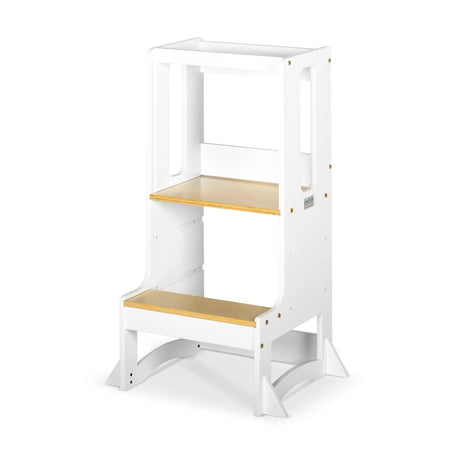
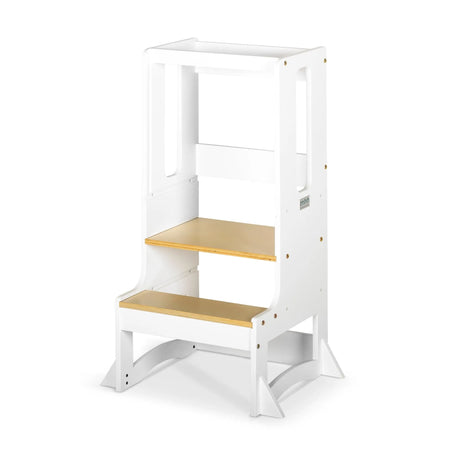
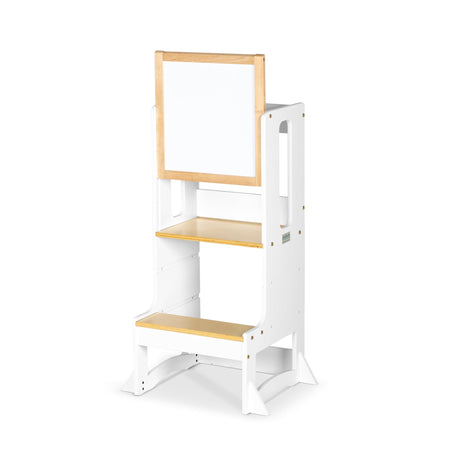
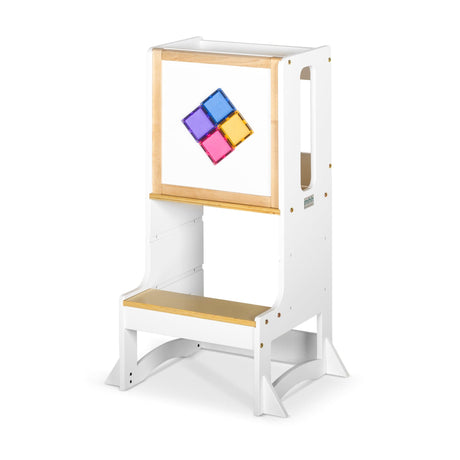
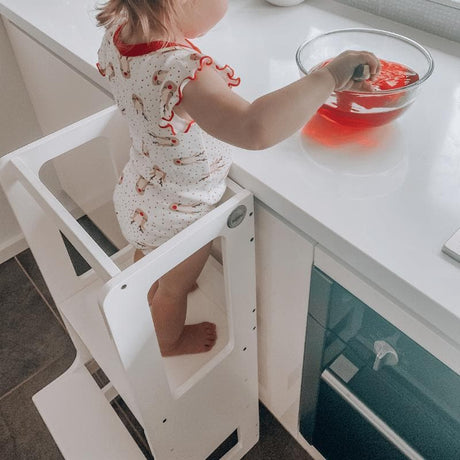
Learning towers are height-adjustable platforms that let toddlers safely stand at bench height and join in everyday family life — from helping cook in the kitchen to washing hands, baking and creative play. Sometimes called toddler towers or kitchen helpers, they give curious children a secure way to reach activities that would otherwise be out of sight, building confidence, independence and practical skills at the stage where simply watching is no longer enough.

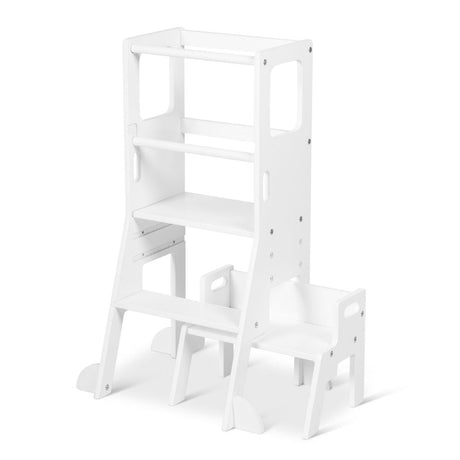
At My Happy Helpers we stock one of Australia's largest learning tower ranges — including adjustable, foldable, convertible and twin towers, plus Montessori-inspired designs — all built to meet Australian safety standards. Whether you need a compact folding tower for a small kitchen or a convertible model that grows with your child, our collection helps you find the right learning tower for your family, space and budget.

Growing Independence Everyday Participation Family Connection Practical Life Skills
Learning Tower Safety

Understanding Learning Tower Safety Before You Choose

Safety is one of the most important considerations when choosing a learning tower. Understanding supervision requirements, stability considerations, testing standards and safe usage recommendations can help families make more informed decisions and confidently select the right tower for their child. Explore our dedicated Learning Tower Safety Guide to learn more about what to look for before making your decision.

Why Learning Towers Have Become A Favourite Among Families

Learning towers have become one of the most popular pieces of children's furniture because they help solve a challenge many families experience during the toddler years. Young children are naturally curious and eager to participate in everyday life, yet much of the world around them exists beyond their physical reach. Kitchen benches, bathroom sinks, creative workspaces and household activities often take place at heights that require constant lifting, carrying or adult assistance.

A learning tower helps bridge this gap by providing a stable and supportive platform that allows children to participate more actively while remaining appropriately supervised. For many families, this shift transforms everyday routines into meaningful opportunities for connection, learning and independence. Rather than watching from the sidelines, children can help prepare meals, wash fruit and vegetables, engage in sensory activities, participate in baking projects or simply observe what is happening from a more accessible perspective.

Parents often use the terms learning tower and toddler tower interchangeably. While the terminology may differ, the purpose remains the same. Both are designed to help children engage more confidently with the world around them by creating opportunities for participation rather than observation.

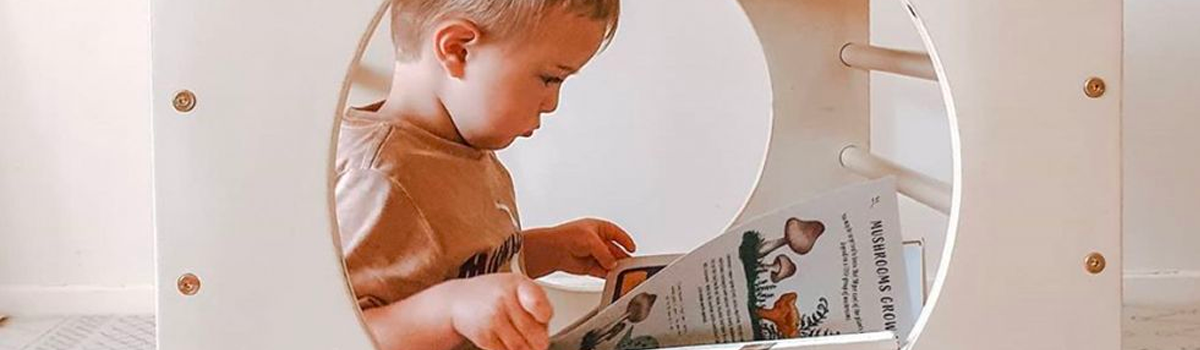
For many families, the value of a learning tower extends far beyond a single activity or room within the home. Learning towers are frequently used in kitchens, bathrooms, playrooms and creative spaces, supporting a wide variety of experiences throughout early childhood. As children grow, their needs may evolve towards folding towers, convertible towers, twin towers or eventually step stools, but the underlying goal remains consistent: helping children build confidence through meaningful participation.

When choosing a learning tower, families often consider factors such as available space, long-term flexibility, safety, sibling participation and developmental readiness. Understanding these different pathways can help ensure the chosen solution aligns not only with the child's current needs but also with how those needs may change over time.

Ultimately, learning towers are not simply about helping children reach higher surfaces. They are about creating opportunities for independence, confidence, responsibility and connection during some of the most important developmental years of childhood.