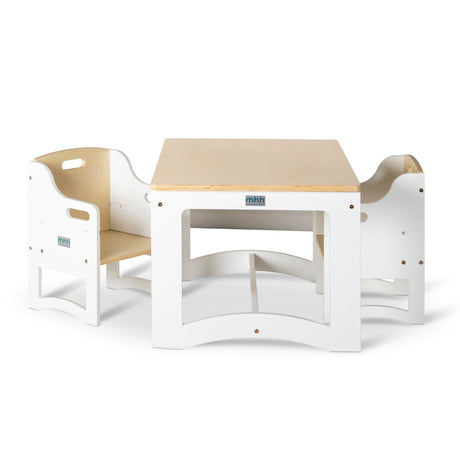
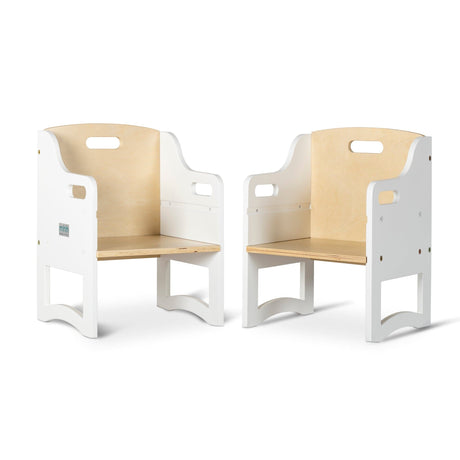
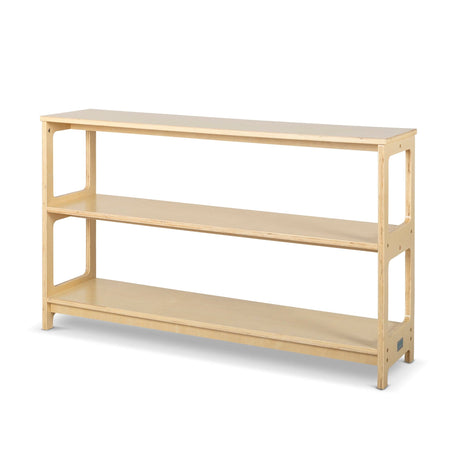
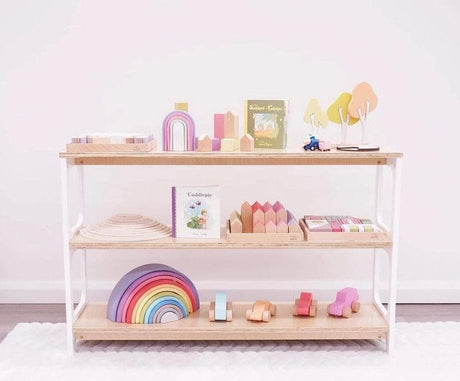
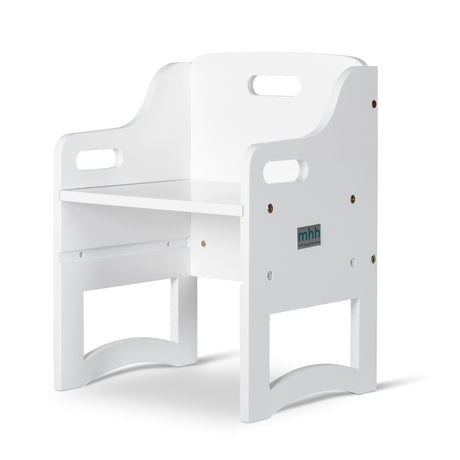
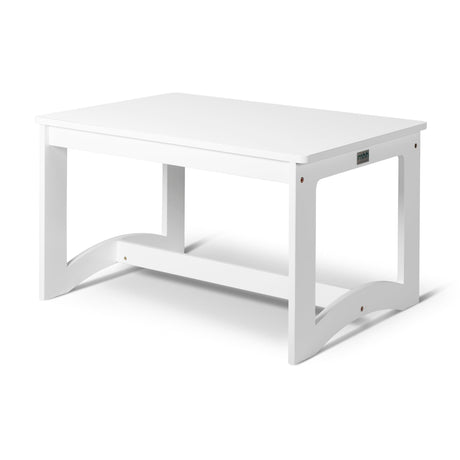
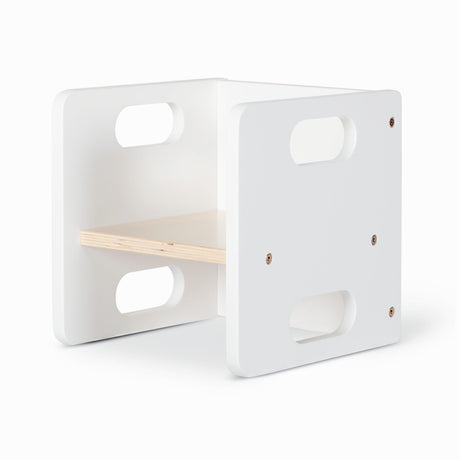
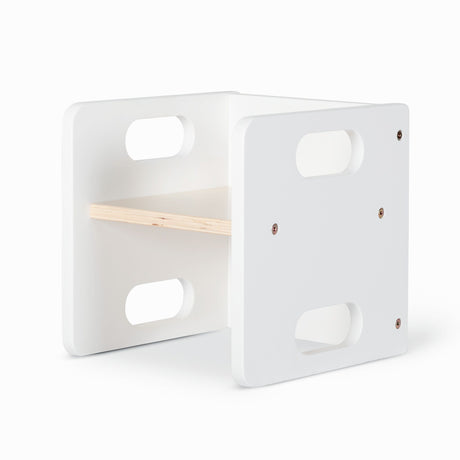
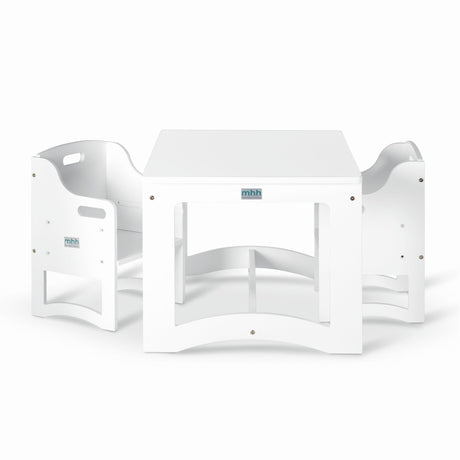
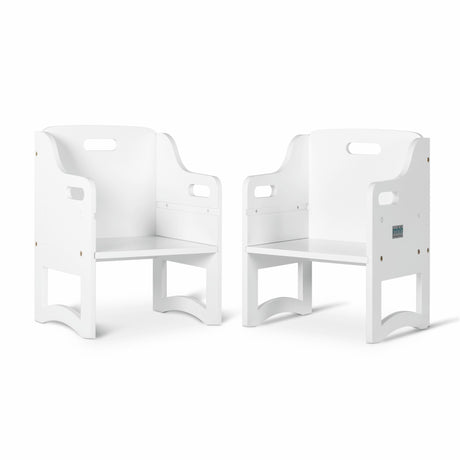
Click & Collect or 24hr Dispatch*

Kids Furniture

Furniture That Supports Independence, Confidence And Everyday Family Life

Children interact with their environment every day. The furniture they use can influence how they play, learn, participate and develop independence at home. From learning towers and dining chairs through to playroom storage, bedroom furniture and dedicated activity spaces, this hub helps families understand the different furniture pathways available so they can create environments that support confidence, capability and everyday life.

Creating Child-Friendly Spaces

The Right Environment Helps Children Participate With Confidence

Children thrive when their environment is designed with them in mind. Furniture is about more than appearance or organisation. It influences how children participate in family life, access their belongings, develop independence and engage with everyday activities. Understanding the different furniture pathways can help parents create spaces that feel functional, supportive and aligned with their child's stage of development.


Furniture With Purpose

Children Benefit From Spaces Designed For Them

Furniture plays an important role in how children experience their environment. When spaces are designed with children's needs in mind, they can more easily participate in family routines, access their belongings, develop independence and engage confidently with everyday activities. From the kitchen and dining table through to playrooms and bedrooms, child-friendly furniture helps create environments that support development while making daily life easier for the whole family. Understanding the different furniture pathways can help parents make thoughtful choices that support both functionality and long-term use.

Growing Independence Everyday Participation Child-Friendly Spaces Long-Term Functionality

Furniture Supports More Than Function

The right furniture can encourage confidence, independence and participation by helping children engage more fully with their environment.

Different Spaces Serve Different Needs

Playrooms, kitchens, dining spaces and bedrooms all support different aspects of childhood. Understanding these pathways helps create more purposeful environments.

Designed To Grow With Families

Thoughtfully chosen furniture can support children across multiple developmental stages while creating practical, organised spaces at home.

Explore Furniture Pathways

Find The Spaces That Support Your Family's Everyday Life

Every area of the home serves a different purpose during childhood. Some spaces encourage independent play and creativity, while others support family meals, practical life skills, rest or organisation. Exploring these pathways can help parents create environments that feel functional, welcoming and supportive as their child grows.

Children Thrive When They Can Participate In Everyday Life
Independence Through Environment
A Home Designed For Children

Children Thrive When They Can Participate In Everyday Life

Children spend much of their early years adapting to environments designed for adults. High benches, large tables, inaccessible storage and oversized furniture can unintentionally create barriers to independence and participation. Thoughtfully chosen children's furniture helps remove some of these barriers by creating spaces that feel accessible, welcoming and developmentally appropriate.

Whether helping prepare meals, joining family mealtimes, selecting their own books, engaging in creative activities or settling into bedtime routines, children often develop confidence when they can actively participate in everyday experiences. Furniture is not simply about filling a room. It is about creating environments that encourage independence, responsibility and belonging. By understanding the different furniture pathways, families can make thoughtful decisions that support both practical daily life and long-term development.

Continue Exploring

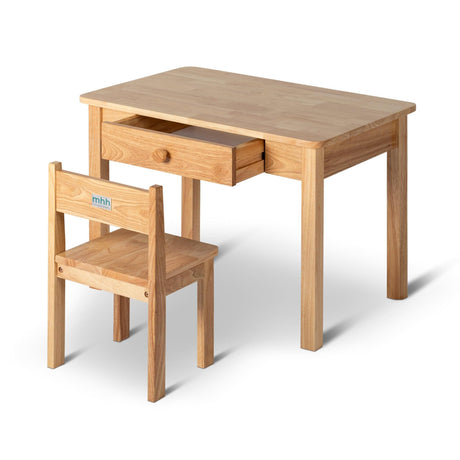
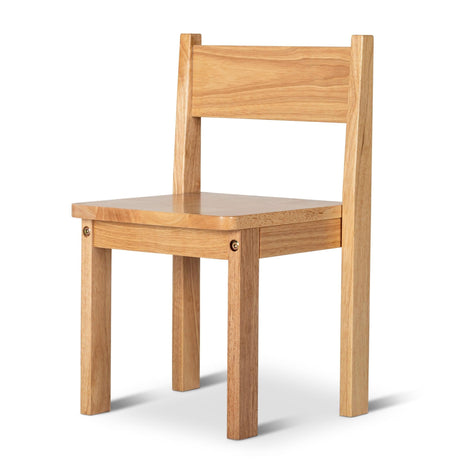
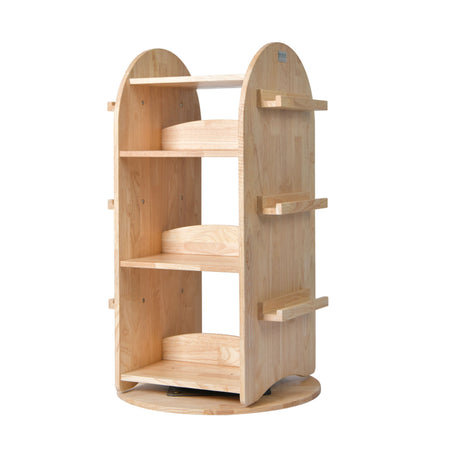
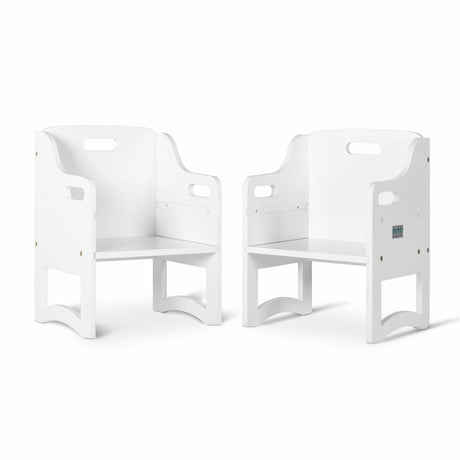
Discover Popular Children's Furniture Collections

These collections represent some of the most important furniture pathways for supporting independence, participation and everyday family life throughout childhood.

Frequently asked questions

Questions parents often ask

Is children's furniture worth the investment?

For many families, children's furniture becomes one of the most frequently used resources in the home because it supports everyday activities rather than occasional play experiences. Unlike products that serve a single purpose, furniture often influences how children interact with their environment across multiple areas of daily life.

The value of children's furniture is often measured through its long-term use. Tables, chairs, storage solutions and practical furniture pieces may support creative activities, family routines, independent play and organisation for many years. This can make them a very different type of purchase compared with toys that may be used less consistently.

Families also often appreciate the practical benefits. Well-designed furniture can help create more organised spaces, encourage independence and support participation in everyday activities. These benefits may continue long after the initial purchase.

Ultimately, whether children's furniture feels worthwhile depends on the family's needs, available space and priorities. Many parents find that furniture designed around their child's abilities contributes positively to both family life and daily routines.

What is the difference between children's furniture and regular furniture?

The primary difference between children's furniture and regular furniture is accessibility. Children's furniture is designed around a child's size, abilities and developmental needs, allowing them to participate more comfortably and independently in everyday activities.

Adult furniture often requires children to adapt to environments that were not designed for them. Tables may be too high, seating may feel uncomfortable and storage may be difficult to access. Child-sized furniture aims to reduce these barriers by creating spaces that feel approachable and usable for young children.

Beyond size, children's furniture is often designed to support specific aspects of childhood. This may include encouraging independence, participation, organisation, creative play or practical life skills. The goal is not simply to provide smaller furniture but to create environments that support children's growing capabilities.

For many families, the value lies in how furniture influences daily experiences. Appropriately designed spaces often help children engage more confidently, access materials more easily and participate more fully in family life.

When should children transition to kid-sized furniture?

There is no single age at which children should transition to kid-sized furniture. The right timing often depends on the child's developmental stage, interests and the activities they engage in most frequently.

Many families begin introducing child-sized furniture during the toddler years as children become more mobile, independent and interested in participating in everyday activities. This stage often coincides with increased interest in drawing, building, pretend play, reading and family routines. Child-sized furniture can help support these experiences by providing accessible spaces that match a child's physical abilities.

The transition does not need to happen all at once. Families often introduce furniture gradually as needs emerge within different areas of the home. Some children may benefit from dedicated play spaces, while others may first use furniture that supports mealtimes, practical life activities or bedroom routines.

Rather than focusing on age alone, it can be helpful to consider when a child is beginning to seek greater independence and participation within their environment.

How does children's furniture support independence?

Independence develops when children have opportunities to participate meaningfully in everyday life. Children's furniture can support this process by making environments more accessible and easier to navigate without constant adult assistance.

When furniture is designed with children in mind, they are often able to reach materials, access belongings, participate in activities and move through routines more confidently. This may include selecting books, sitting comfortably for creative activities, joining family meals or helping with everyday tasks around the home.

Independence is not simply about doing things alone. It is about developing confidence in one's abilities and feeling capable within the environment. Child-friendly furniture can help remove some of the barriers that exist when spaces are designed primarily for adults.

Many families discover that relatively small changes to the home environment can create meaningful opportunities for participation and responsibility. Furniture often plays an important role in helping children feel included, capable and engaged in daily life.

Do children really need their own table and chairs?

Independence develops when children have opportunities to participate meaningfully in everyday life. Children's furniture can support this process by making environments more accessible and easier to navigate without constant adult assistance.

When furniture is designed with children in mind, they are often able to reach materials, access belongings, participate in activities and move through routines more confidently. This may include selecting books, sitting comfortably for creative activities, joining family meals or helping with everyday tasks around the home.

Independence is not simply about doing things alone. It is about developing confidence in one's abilities and feeling capable within the environment. Child-friendly furniture can help remove some of the barriers that exist when spaces are designed primarily for adults.

Many families discover that relatively small changes to the home environment can create meaningful opportunities for participation and responsibility. Furniture often plays an important role in helping children feel included, capable and engaged in daily life.