Click & Collect or 24hr Dispatch*

Learning Through Recognition & Recall

Flashcards For Toddlers

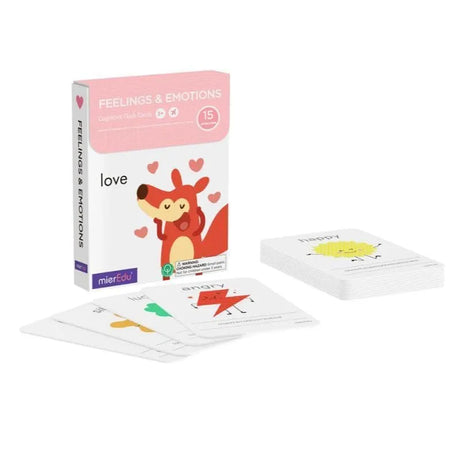
Flashcards help children recognise, remember and confidently recall important early learning concepts through short, engaging interactions. Whether introducing letters, numbers, first words, emotions, animals or everyday objects, flashcards create simple opportunities to build familiarity and confidence through repetition. Explore educational flashcards designed to support language development, early literacy and learning through play.


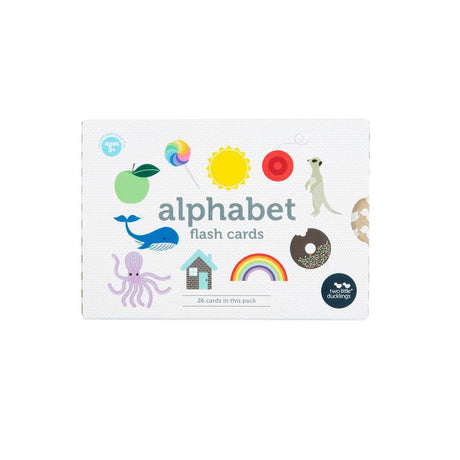
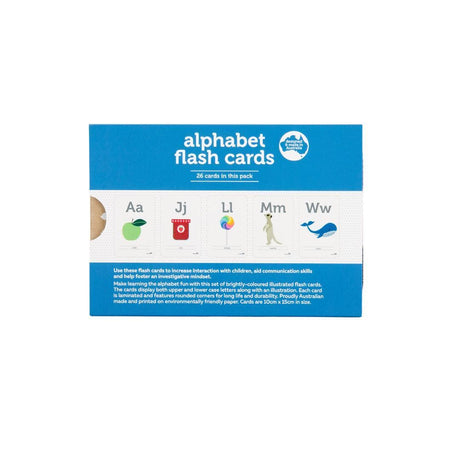
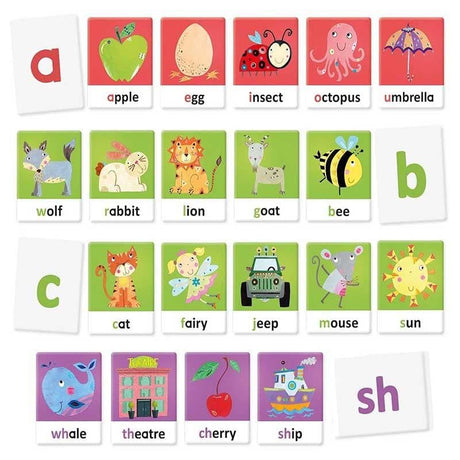
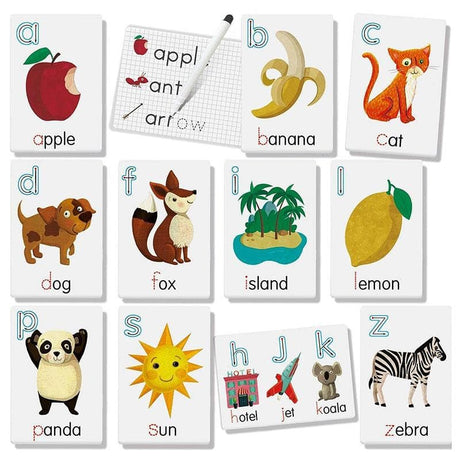
Alphabet Flashcards For Children Beginning To Recognise Letters

Why Flashcards Remain One Of The Most Effective Early Learning Tools

Children learn through repeated exposure. Before they can confidently read, write or apply new knowledge, they first need opportunities to recognise information quickly and accurately. Flashcards help build this familiarity by presenting concepts in a simple, focused format that encourages recognition, recall and repeated engagement.

Many parents worry that flashcards feel too much like formal learning, but high-quality educational flashcards work best when used as conversation starters rather than tests. A child might identify an animal, discuss an emotion, recognise a letter or explore a new word through playful interactions that feel natural rather than instructional. These repeated experiences help strengthen memory pathways while building confidence and curiosity about learning.

Recognition Skills Recall & Memory Language Development Learning Through Play

Builds Confidence Through Familiarity

Children become more confident learners when they repeatedly encounter concepts they can recognise and understand. Flashcards help create these moments of familiarity through short, engaging learning experiences.

Supports Early Literacy & Language Skills

From alphabet flashcards and sight words to emotions and vocabulary development, flashcards help children expand their understanding of language while strengthening recognition and recall.

Easy To Use In Everyday Moments

Flashcards can be introduced during quiet play, travel, bedtime routines or short learning sessions, making them one of the most flexible educational tools available to families.

Choosing The Right Flashcards

Match The Flashcards To What Your Child Is Ready To Recognise

Children learn best when new information feels achievable rather than overwhelming. The right flashcards introduce concepts that are just beyond what a child already knows, helping them build confidence through recognition and repetition. Whether your child is learning first words, beginning letter recognition or expanding their vocabulary, choosing the right starting point makes learning more engaging and successful.
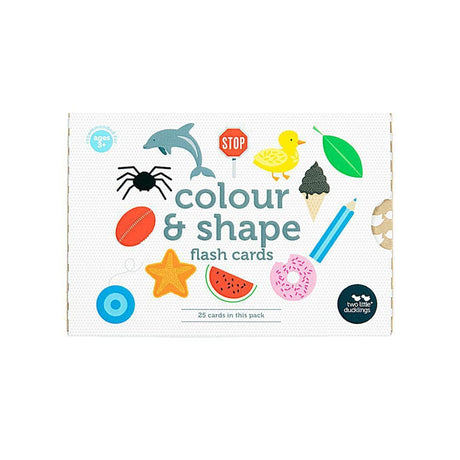
Choose Simpler Flashcards If

  • Your child is under 3 years old They are learning first words They enjoy naming familiar objects They are beginning to recognise pictures Short attention spans are common Confidence building is the main goal

Choose More Advanced Flashcards If

  • Your child recognises many everyday words They know most letter names They are beginning phonics activities They enjoy learning new facts They are showing interest in reading They enjoy memory and recall challenges
The most effective flashcards create opportunities for successful recognition. Children who experience regular success are more likely to stay engaged, build confidence and develop a positive relationship with learning.

Building Familiarity Before Mastery

Supports recognition, recall and early language development

Helps build confidence before reading and writing skills develop

Age-appropriate concepts children can connect to everyday life

What Should Parents Look For In Educational Flashcards?

Not all flashcards are created equally. The best flashcards simplify information without oversimplifying learning. Clear images, age-appropriate concepts and thoughtful progression help children focus on recognising and understanding new information rather than becoming distracted by unnecessary complexity.

Parents should also consider how flashcards will be used. Some flashcards support early language development through picture recognition and vocabulary building. Others focus on alphabet recognition, phonics, sight words or early numeracy. Choosing a flashcard set that matches your child's current interests often leads to stronger engagement than selecting something based purely on age recommendations.

Quality matters as well. Durable cards that withstand repeated use, clear illustrations and concepts children can connect to everyday life often provide significantly more value than novelty-based educational products that quickly lose relevance.
When Flashcards May Not Be The Right Learning Tool

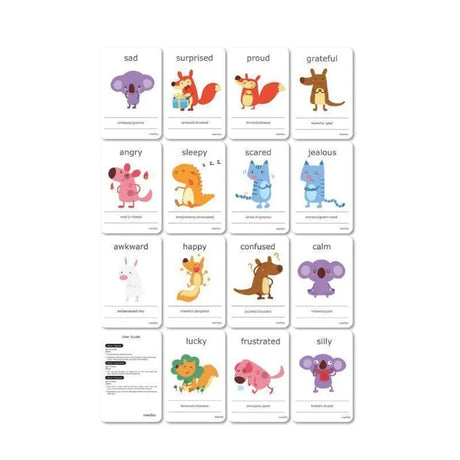
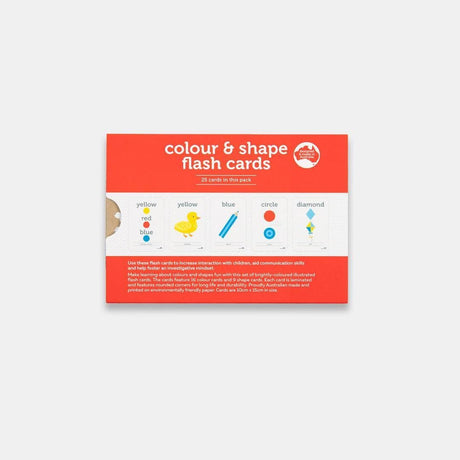
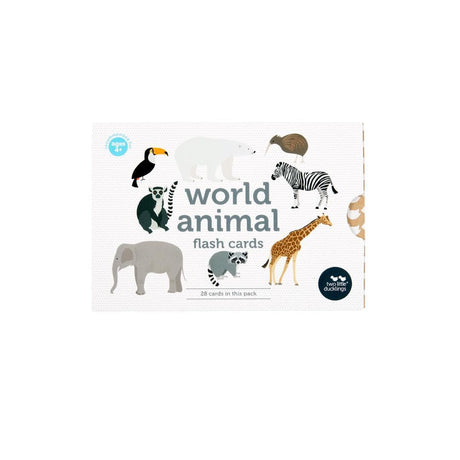
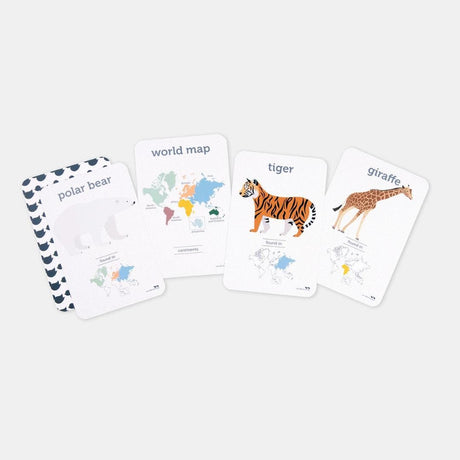
As children move beyond simple letter recognition, educational flashcards can introduce a wide range of concepts including animals, emotions, numbers, occupations and everyday vocabulary. These flashcards encourage children to make connections between words and meanings while strengthening recall and language comprehension. For many preschoolers, flashcards become valuable tools for building confidence and curiosity before formal reading instruction begins.
Small Learning Moments That Build Lasting Confidence

Many of the most important learning milestones begin with recognition. Before children can confidently read words, write letters or understand complex ideas, they first need repeated opportunities to see, hear and remember new information. Flashcards help create these moments in a simple and approachable way.

Rather than turning learning into a formal lesson, quality educational flashcards encourage curiosity, conversation and playful repetition. Children begin recognising familiar words, identifying letters, discussing emotions and expanding vocabulary through interactions that feel natural and enjoyable.

Whether you're introducing first words to a toddler or supporting early literacy in a preschooler, flashcards provide a flexible and engaging way to strengthen confidence, memory and language development while keeping learning accessible and enjoyable.

Frequently asked questions
What makes premium educational flashcards different?

Premium educational flashcards are designed with both learning outcomes and child engagement in mind. Rather than overwhelming children with excessive information, high-quality flashcards present concepts clearly and thoughtfully. Strong visual design, age-appropriate content and logical progression all contribute to more meaningful learning experiences.

Durability is another important consideration. Children frequently revisit flashcards, which means sturdy construction and quality materials often provide significantly better long-term value than lower-quality alternatives. Premium flashcards are designed to withstand repeated handling while remaining visually appealing and easy to use.

Most importantly, premium flashcards encourage interaction rather than rote memorisation. They create opportunities for discussion, questioning and exploration, helping children develop confidence through understanding rather than simply remembering isolated facts. This focus on meaningful engagement is what often separates high-quality educational flashcards from products designed purely around repetition.

How often should children use flashcards?

Short, consistent exposure is generally more effective than long, infrequent learning sessions. Many children benefit from just a few minutes of flashcard use each day, particularly when activities remain playful and engaging. Brief interactions help maintain interest while allowing concepts to be revisited regularly through repetition.

The goal is not to cover large numbers of cards in a single sitting. Instead, children benefit from repeated exposure to concepts over time. Familiarity develops gradually as children encounter the same letters, words, pictures and ideas across multiple interactions.

Parents often find success by incorporating flashcards naturally into everyday routines. A few cards before bedtime, during travel or while waiting for meals can create valuable learning opportunities without making flashcards feel like formal lessons.

Are educational flashcards better than books for early learning?

Educational flashcards and children's books serve different purposes, which means one is not necessarily better than the other. Flashcards excel at introducing concepts in a simple, focused format that supports recognition and recall. They allow children to concentrate on a single letter, word, number or concept without distraction, making them particularly useful when introducing new information.

Books, on the other hand, provide context, storytelling and deeper language experiences. They help children understand how words, ideas and concepts fit together within broader narratives. Many of the strongest early learning environments incorporate both tools because they support different aspects of development.

Flashcards often work best for introducing and reinforcing concepts, while books help children apply those concepts within meaningful contexts. Together, they create a balanced approach that supports language development, vocabulary growth and early literacy skills.

Can flashcards support speech and language development?

Flashcards can be highly effective tools for supporting speech and language development because they encourage conversation, vocabulary expansion and expressive communication. Picture-based flashcards are particularly useful because they provide clear visual prompts that children can describe, discuss and connect to their own experiences.

Children often use flashcards as opportunities to practise naming objects, forming sentences and learning new words. Parents and educators can extend learning by asking open-ended questions, encouraging storytelling and introducing descriptive language during flashcard activities. These interactions help strengthen both receptive and expressive language skills.

For children developing communication skills, flashcards can also provide a structured yet flexible way to explore emotions, actions, categories and concepts. When combined with meaningful conversation, flashcards become much more than recognition tools—they become opportunities for rich language development.

What are the best flashcards for preschoolers?

The best flashcards for preschoolers depend largely on what the child is currently interested in learning. Some preschoolers are fascinated by letters and sounds, while others are more engaged by animals, emotions, occupations, numbers or everyday vocabulary. Choosing flashcards that align with existing interests often creates stronger engagement and more meaningful learning opportunities.

For many preschoolers, educational flashcards that combine pictures with simple words provide an ideal balance between visual learning and language development. These flashcards encourage conversation, questioning and observation while helping children expand their vocabulary and understanding of the world around them.

Parents often achieve the best results when flashcards feel playful rather than instructional. Preschoolers tend to remain engaged when they are encouraged to describe, compare and discuss concepts rather than simply provide correct answers. This approach helps transform flashcards into interactive learning experiences that support both language development and confidence.

Are sight word flashcards worth using before a child can read independently?

Sight word flashcards can be a valuable tool for children who are beginning to recognise common words, even before they become confident readers. Many early reading programs focus on helping children become familiar with frequently used words that appear regularly in books and everyday text. Through repeated exposure, children begin recognising these words automatically, which can make the transition into reading feel less overwhelming.

The most effective sight word flashcards are used as part of a broader language-rich environment rather than as a standalone reading program. Children benefit when sight words are connected to books, conversations and everyday experiences. This helps create meaningful associations rather than relying purely on memorisation.

Parents should remember that the goal is familiarity and confidence rather than perfection. Short, playful interactions often produce better outcomes than lengthy learning sessions. When used appropriately, sight word flashcards can help children build confidence and become more comfortable recognising common words as they begin their reading journey.

Why do some children enjoy flashcards while others lose interest quickly?

Children are most engaged when learning feels relevant, achievable and interactive. Flashcards often work best when they are used as part of a conversation rather than as a quiz. When parents ask open-ended questions, encourage observations and connect cards to everyday experiences, children tend to remain interested for longer periods.

Loss of interest often occurs when flashcards are used primarily for testing or memorisation. Young children generally learn more effectively through discussion, storytelling and playful interaction than through repeated drilling of information.

The type of flashcard also matters. A child fascinated by animals may engage deeply with animal flashcards, while another may prefer emotions, vehicles, alphabet cards or early sight words. Matching content to the child's interests can significantly increase engagement and enjoyment.

Are flashcards a good screen-free learning activity for toddlers?

For many families, flashcards offer a valuable alternative to screen-based educational content because they encourage active participation rather than passive consumption. Children interact directly with parents, caregivers or educators while discussing pictures, words, animals, emotions and early concepts.

Unlike digital activities that often move at a fixed pace, flashcards allow learning to follow the child's interests. A child might spend several minutes discussing a single card, asking questions, making observations or connecting it to personal experiences. These conversations help deepen understanding while strengthening communication skills.

Many parents also appreciate the flexibility of flashcards. They can be used at home, during travel, while waiting for appointments or as part of quiet afternoon activities. This makes them one of the most practical educational tools for families seeking meaningful screen-free learning opportunities.

What's the difference between alphabet flashcards and phonics flashcards?

Although parents often use the terms interchangeably, alphabet flashcards and phonics flashcards serve different purposes. Alphabet flashcards focus primarily on helping children recognise letter shapes and names. They introduce familiarity with the alphabet and help children identify letters when they encounter them in books, signs and everyday environments.

Phonics flashcards go a step further by helping children connect letters to sounds. Rather than simply recognising that a symbol is the letter "B", children begin understanding that it represents a specific sound used within words. This sound awareness becomes an important foundation for reading development.

Many children benefit from beginning with alphabet recognition before progressing to phonics-based learning. Together, these tools help children move from recognising symbols towards understanding how written language works.

How can parents tell if their child is ready for flashcards?

Many parents assume flashcards are only useful once children begin learning letters or preparing for school, but flashcards can be valuable much earlier. Children are often ready for picture-based flashcards as soon as they begin showing interest in naming objects, animals, people and everyday experiences. The goal at this stage is not memorisation but exposure and recognition.

Children who enjoy pointing to pictures, asking questions or naming familiar objects often engage well with flashcards because they naturally support language-rich interactions. Rather than testing knowledge, parents can use flashcards as conversation prompts that encourage vocabulary development and curiosity.

As children grow, flashcards can gradually introduce letters, numbers, emotions, sight words and more advanced concepts. The best indicator of readiness is often interest rather than age. When children enjoy looking, talking and interacting with the cards, flashcards can become a powerful tool for building familiarity and confidence.