Click & Collect or 24hr Dispatch*

Fine Motor Skills

Building The Hand Control Children Need For Everyday Independence

Fine motor skills are the small hand movements children use every day to grasp, manipulate, control and coordinate objects. These skills play an important role in everything from dressing and feeding themselves to drawing, writing and participating in everyday activities. This guide helps parents understand the different pathways that support fine motor development and identify the type of challenge that best matches their child's current needs.

Start here

Fine motor development is not one skill. Different activities strengthen different aspects of hand control, coordination and dexterity.

Some children need greater precision, others need stronger hand control, while some are ready to practise the everyday movements that support growing independence.

View as

No products found

Fine Motor Development Happens Through Thousands Of Small Movements

Children build fine motor skills gradually through repeated opportunities to grasp, manipulate, position, rotate and control objects with increasing precision. While these skills often develop naturally through play and everyday experiences, different activities place different demands on the hands and fingers. Some require careful accuracy, others strengthen hand muscles, while some encourage coordination between both hands working together. Understanding these differences helps parents choose activities that align with their child's current stage of development rather than simply selecting toys based on age alone.

Hand Control Coordination Precision Growing Independence
Hand Skills Create Opportunities For Independence

Many Practical Life Activities Depend On Fine Motor Development

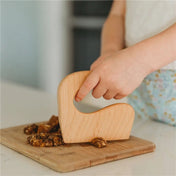
Preparing food, using utensils, dressing independently and participating in everyday routines all rely on the gradual development of hand control and coordination. As fine motor skills improve, children are often able to take a more active role in daily life.

Small Skills Often Lead To Big Milestones
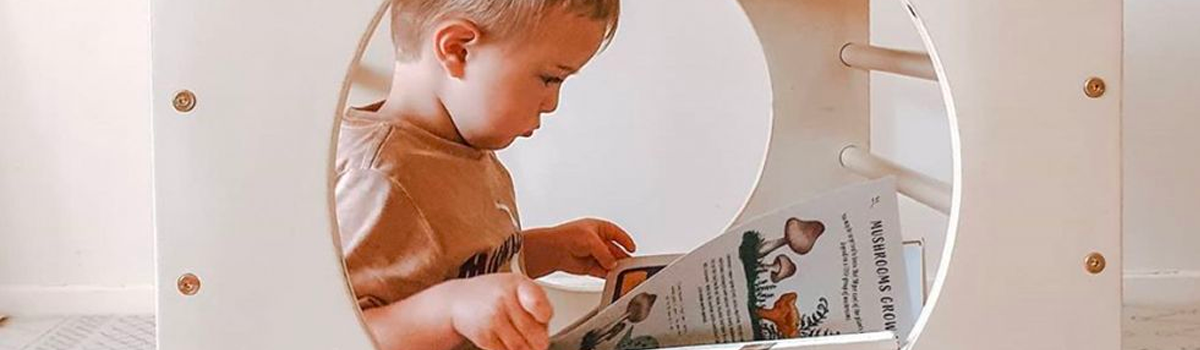
Fine motor development rarely happens all at once. Children build these skills gradually through repetition, practice and everyday experiences that challenge their hands in different ways. What may seem like a simple activity often supports dozens of small movements working together.

Every child develops at their own pace. Some focus on precision early, while others spend longer building strength, coordination or confidence. These differences are a normal part of development and do not necessarily indicate that anything is wrong.

Providing opportunities for children to practise hand control in meaningful and engaging ways can help build confidence over time. Small improvements often create noticeable changes in independence, participation and willingness to tackle new challenges.