Click & Collect or 24hr Dispatch*

When Calm Feels Hard to Find

Fidget Toys

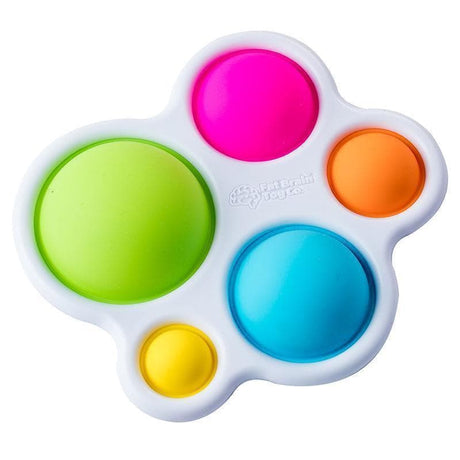
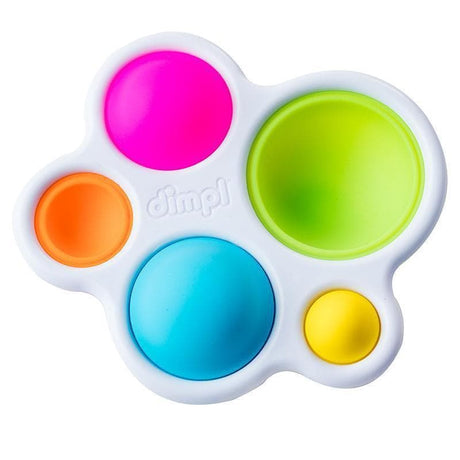
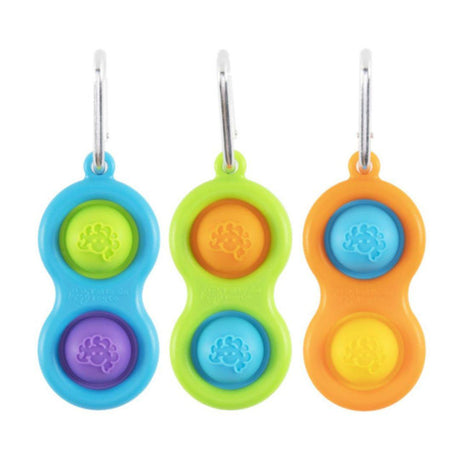
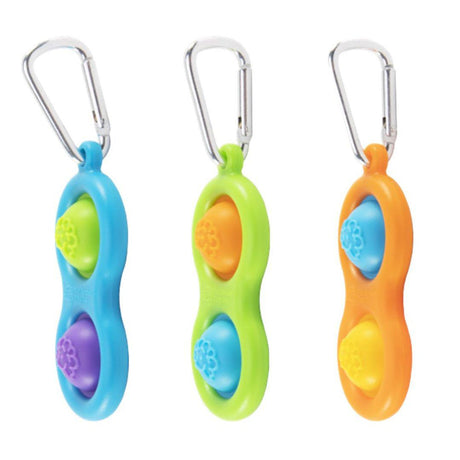
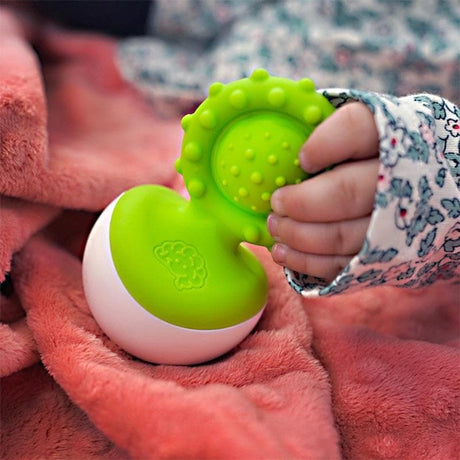
Fidget toys for kids can be genuinely helpful when they are chosen with purpose. For children who constantly pick, tap, twist, squeeze, chew objects, or struggle to keep their hands still, the right sensory fidget toy gives their hands something calm and repetitive to do while their mind stays engaged.

Our collection of fidget and focus tools is designed for families looking for quieter, more practical options for school, homework, travel, waiting rooms, and everyday regulation. From discreet desk fidgets to handheld sensory tools, these products support tactile input, concentration, and calmer self-management without turning focus time into noisy or messy play.


Quiet Fidget Toys for School, Homework & Seated Tasks

Choosing Fidgets That Support Focus, Not Distraction

Not every fidget toy is helpful for every child. Some children need quiet, repetitive hand movement to stay regulated during seated tasks. Others need stronger tactile input, resistance, texture, or a small object they can manipulate when they feel restless, anxious, or overwhelmed.

The best fidget tools for focus are usually simple, predictable, and easy to use without taking over the activity. A good classroom fidget toy should keep hands gently busy without becoming the main event. A good home fidget may offer more texture, movement, or resistance depending on what your child seeks.

This collection focuses on purposeful tactile tools rather than loud novelty fidgets, messy sensory play, or squishy toys that belong in their own collection. The goal is to help you choose sensory fidget toys that feel useful, age-appropriate, portable, and easy to introduce into real routines.

Quiet Focus Tactile Regulation School Friendly Calm Hands

Keeps Hands Busy Without Taking Over

Some children listen, learn, and settle more easily when their hands have a small repetitive action to return to. Quiet fidget toys can provide that outlet without requiring large movement, messy setup, or adult-led play.

Supports Tactile Sensory Input

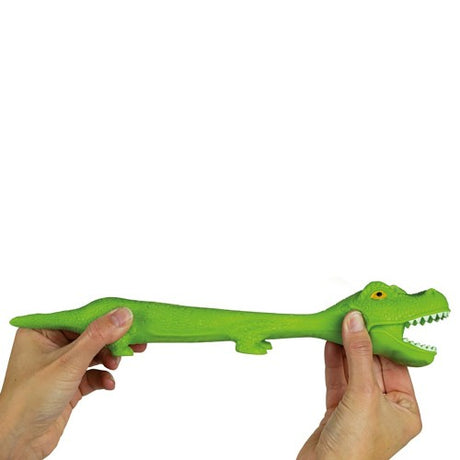
Fidget tools provide touch-based sensory input through squeezing, twisting, rolling, clicking, stretching, or textured handling. For children who seek tactile feedback, this can offer a simple way to self-regulate during moments of restlessness or transition.

Can Make Focus Routines Feel More Manageable

Fidget toys are most useful when they are matched to the setting. A discreet desk fidget may suit homework or school, while a stronger sensory fidget may be better for calm-down time, travel, or after-school regulation.

Shop by need

Sensory Fidget Toys for Kids Who Pick, Tap, Twist or Squeeze


Children who constantly pick at clothing, tap pencils, twist objects, or squeeze anything nearby may be seeking tactile input through their hands. Sensory fidget toys give that need a more appropriate outlet, helping redirect restless hand movement into something calmer, safer, and easier to manage throughout the day.

Quiet Fidget Toys for School, Homework & Seated Tasks


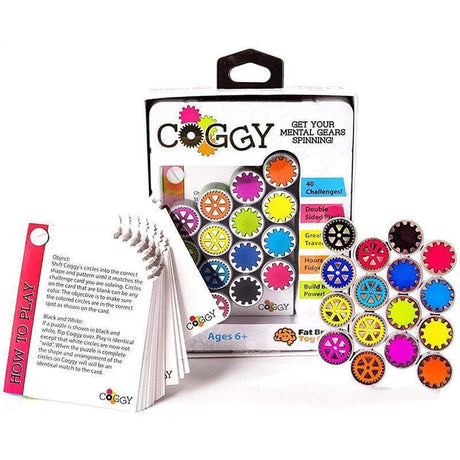
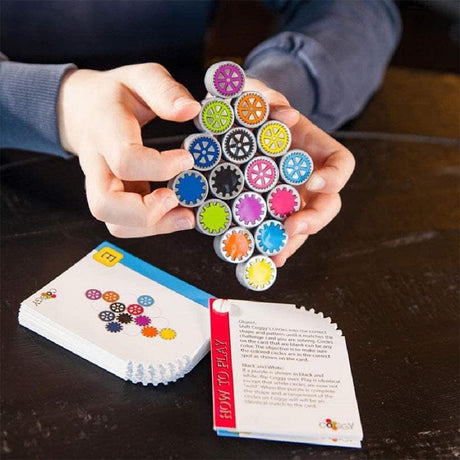
Quiet fidget toys for school should be small, predictable, and easy to use without interrupting the child, teacher, or surrounding environment. Desk fidgets, textured hand tools, and simple sensory manipulatives can help children keep their hands gently occupied during reading, listening, homework, or table-based activities.

Sensory Fidget Toys for Kids Who Pick, Tap, Twist or Squeeze


Children who constantly pick at clothing, tap pencils, twist objects, or squeeze anything nearby may be seeking tactile input through their hands. Sensory fidget toys give that need a more appropriate outlet, helping redirect restless hand movement into something calmer, safer, and easier to manage throughout the day.

Choosing The Right Fidget

What Kind Of Fidget Tool Does Your Child Need?

The best fidget toy for kids depends on where it will be used, how much sensory input your child seeks, and whether the goal is focus, calming, or stronger tactile feedback.

Choose A Quiet Focus Fidget If Your Child:

  • Needs something for school or homework Gets distracted by loud or busy toys Benefits from small repetitive hand movement Needs a discreet desk fidget Uses fidgets while listening, reading, or learning

Choose A Stronger Sensory Fidget If Your Child:

  • Seeks squeezing, twisting, pulling, or texture Picks at clothing, skin, pencils, or nearby objects Needs help during transitions or waiting times Uses tactile input to calm their body Benefits from a more noticeable sensory tool at home
For school use, start with the quietest and simplest option. For home regulation, choose the texture, resistance, or hand movement your child naturally seeks most often.

Purposeful Tools For Calm, Everyday Support

Selected for quiet tactile engagement, focus support, and practical everyday use

Helps children redirect restless hand movement into calmer sensory input

Suitable for home, school, travel, waiting rooms, and calm-down routines when matched appropriately

What To Look For In Fidget & Focus Tools

Look for fidget toys that match the setting and the child’s sensory need. For school, quiet and discreet tools are usually the safest choice. For homework, a small desk fidget may help reduce restlessness without pulling attention away from the task. For calm-down spaces, children may benefit from more textured, squeezable, or resistance-based fidgets. Durability, size, noise level, cleanability, and age suitability all matter, especially if the fidget will be used daily.

When A Fidget Toy May Not Be The Best Fit

A fidget tool may not be the best option if it becomes the focus of play rather than a support tool. Some children are more regulated by movement, deep pressure, oral sensory input, slime, putty, or squishy textures instead. If your child is using a fidget loudly, throwing it, watching it instead of engaging, or becoming more distracted, they may need a different style of sensory support or a clearer routine for when and how to use it.

Simple Sensory Tools That Help Children Feel More Settled
The right fidget tool should feel useful, not distracting. Whether your child needs quiet support during learning, a tactile outlet during transitions, or a calming hand-based tool for everyday regulation, fidget toys can help make focus and waiting moments feel more manageable. Choose the option that best matches your child’s sensory preference, setting, and age so the tool supports the routine rather than taking over it.

Frequently asked questions
How do I stop fidget toys becoming a distraction?

Set a clear purpose and place for the fidget. For school or homework, explain that the fidget is a “hand tool,” not a toy to watch, throw, share around, or make noise with. Choose quiet options, rotate only a small number at a time, and observe whether your child is more settled or more distracted when using it. If a fidget becomes the main focus, try a simpler, quieter, less visually exciting option.

What is the difference between fidget toys and squishy toys?

Fidget toys are usually designed for repeated hand movement such as twisting, rolling, squeezing, clicking, rubbing, or manipulating. Squishy toys are mainly focused on soft squeeze-and-release tactile feedback. Both can support sensory input, but fidget tools are often better for focus and seated tasks, while squishy toys may be better for children who specifically seek soft pressure, calming squeeze input, or playful texture.

Are fidget toys helpful for autistic children?

Fidget toys may be helpful for some autistic children because they can provide predictable tactile input, support self-regulation, and offer a calming hand-based activity during transitions, waiting times, or busy environments. Some autistic children prefer textured fidgets, resistance-based tools, or repetitive movements such as twisting, rolling, or squeezing. Others may prefer slime, putty, chews, movement toys, or pressure-based supports instead. The best choice depends on the child’s individual sensory preferences.

Are fidget toys good for children with ADHD?


Many parents look for fidget toys for ADHD because children with ADHD may seek movement, touch, or repetitive hand activity while trying to concentrate. A quiet fidget can sometimes help by giving the hands a controlled outlet while reducing bigger distractions like chair rocking, tapping, or leaving the seat. The most useful ADHD fidget tools are usually simple, durable, and matched to the setting. School fidgets should be quiet and discreet; home fidgets can offer more texture or resistance.

What age are fidget toys suitable for?

Fidget toys for kids are most commonly used from around 4 years and up, especially once children are doing more seated tasks like preschool group time, early school, homework, travel, or waiting appointments. Some toddler-safe sensory tools may suit younger children, but small parts, mouthing, chewing, and supervision need to be considered carefully. For younger children, choose larger, simple, easy-to-clean fidgets rather than tiny or complex items.

What are quiet fidget toys for school?

Quiet fidget toys for school are tools that provide tactile input without disrupting the classroom. Good options are usually small, low-noise, non-messy, and easy to keep at a desk or in a pocket. Textured fidgets, soft resistance tools, simple hand manipulatives, and discreet desk fidgets are often more classroom-friendly than loud clicking toys, flashing novelty fidgets, slime, or items that bounce or roll away.

Do fidget toys actually help children focus?

Fidget toys can help some children focus when the tool matches the child and the setting. Many children naturally move their hands while thinking, listening, or managing restlessness. A quiet fidget toy can redirect tapping, picking, pencil chewing, or chair movement into a smaller and more manageable action. However, fidgets are not magic. If the toy becomes noisy, visually distracting, or too exciting, it may reduce focus rather than support it.

What are the best fidget toys for kids who need help focusing?

The best fidget toys for focus are usually quiet, simple, and repetitive. Children who need help concentrating often do better with a small handheld fidget, desk fidget, textured tool, or quiet sensory manipulative that keeps their hands gently busy without becoming a game. For school or homework, avoid fidgets that flash, make noise, roll away, or require too much visual attention. The goal is not to entertain the child; it is to give their hands a calm job so their brain can stay with the task.