Helping Young Children Learn Through Hands-On Discovery And Exploration
Early Sensory Play
Start here
The most effective sensory play experiences are often determined by how your child explores the world rather than their age alone.
Some children learn through touch, others through movement, while some need quieter activities that encourage focus and engagement. Understanding these differences can make choosing sensory play much easier.
-

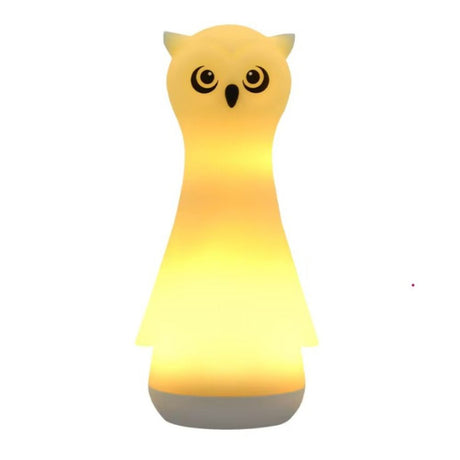
Slumber Friends Night Light Torch - Owl
$49.95Unit price /Unavailable -
10% off
Sensory Spinning Chair - Orange Space Ship
$179.95$199.95Unit price /Unavailable -
Hugglies Musical Koala-on-a-Banana
$34.95Unit price /Unavailable -
![Sensory Silicone Licking Spoons - Assorted]()
![Sensory Silicone Licking Spoons - Assorted]()
Sensory Silicone Licking Spoons - Assorted
$12.95Unit price /Unavailable -
$39.95Unit price /Unavailable
-
$19.95Unit price /Unavailable


Sensory Play Is About Exploration, Not Entertainment
Hands-On Learning
Curiosity & Discovery
Focused Exploration
Early Engagement
Always Touching Everything
Sensory Toys For Toddlers
Needs Quieter Play
Calming Sensory Toys
Won't Sit For Long
Busy Books
Constantly On The Move
Movement & First Climbing
My Child Learns By Getting Their Hands On Everything Nearby
Busy Activities Often Lead To Frustration Or Overwhelm
Focused Play Rarely Lasts More Than A Few Minutes
My Child Learns Best When Movement Is Part Of The Experience
When Sensory Play Becomes Physical Exploration
Movement Often Plays An Important Role In Early Discovery
There Is No Right Way To Engage In Sensory Play