Click & Collect or 24hr Dispatch*

Creative Activities That Inspire Imagination, Confidence And Self-Expression

Creative Craft & Play


Creative play gives children opportunities to explore ideas, express themselves and experiment with the world around them. From drawing and crafting through to sensory exploration and music, creative activities help children develop confidence, curiosity and independence through hands-on experiences. This hub is designed to help families understand the different pathways within creative play so they can confidently choose activities that match their child's interests, personality and stage of development.

Explore Creative Play Pathways

Different Children Express Creativity In Different Ways

Some children love to draw and create visual masterpieces. Others express themselves through music, sensory exploration, imaginative making or hands-on projects. The beauty of creative play is that there is no single right way to engage. By understanding the different forms creativity can take, parents can feel more confident choosing activities that align with their child's unique interests while creating opportunities for imagination, self-expression and joyful discovery every day.

This second version feels more aligned with the premium editorial direction you've been moving towards across the newer hubs.


Frequently asked questions

Questions parents often ask

Why does my child lose interest in creative activities so quickly?

It is completely normal for children to move in and out of creative interests. Losing interest does not necessarily mean a child is uncreative or that an activity has failed. Often it simply reflects changing developmental needs, preferences or attention spans.

Sometimes children lose interest because an activity feels too difficult, too repetitive or too structured. In other cases, they may not feel a strong connection to the materials or type of creativity being offered. A child who is uninterested in drawing may become deeply engaged with music, storytelling, construction or sensory exploration instead.

The way activities are presented can also make a difference. Children often remain engaged longer when they feel ownership over the experience rather than being directed towards a specific outcome. Open-ended opportunities generally provide more room for experimentation and personal choice.

Parents can support ongoing engagement by offering variety, reducing pressure and allowing children to explore different forms of creativity. Rather than expecting every activity to hold attention for extended periods, it is often more helpful to focus on providing regular opportunities for creative exploration and following the child's natural interests as they evolve.

Are arts and crafts a good alternative to screen time?

Many parents look for alternatives to screen time that can keep children engaged without feeling restrictive or overly educational. Arts and crafts are often a valuable option because they encourage active participation rather than passive consumption.
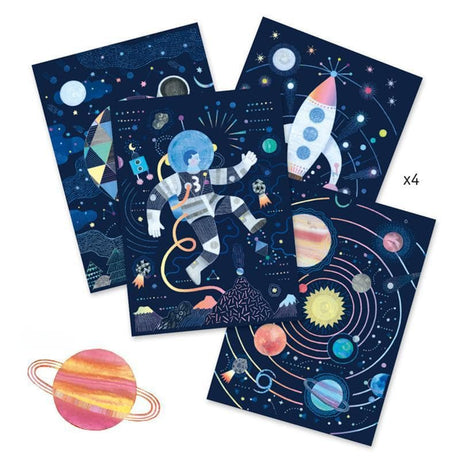
Creative activities require children to think, make decisions and engage with materials directly. Whether they are experimenting with colours, creating projects, solving design challenges or exploring sensory experiences, children are actively involved in the process. This level of engagement often supports concentration and sustained attention in ways that differ from many digital experiences.

Arts and crafts also provide opportunities for children to work at their own pace. There is no pressure to keep up with a screen, follow a storyline or respond to constant stimulation. This can create a calmer and more flexible experience, particularly for children who benefit from slower-paced activities.
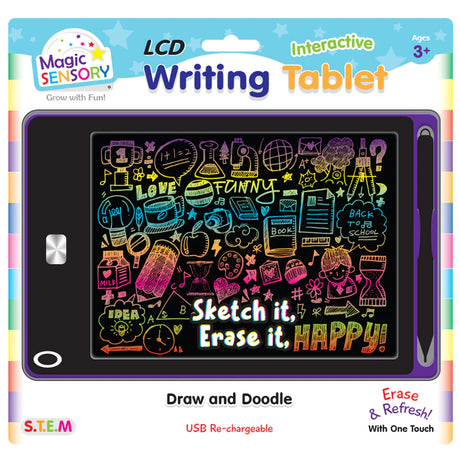
While screens have a place in many families, balancing digital experiences with hands-on creative activities can help support imagination, independence and self-directed learning. Many parents find that creative play becomes an important part of building a healthy and sustainable screen-time balance at home.
What is the difference between arts and crafts and open-ended creative play?

Arts and crafts and open-ended creative play are closely related, but they are not exactly the same thing. Traditional arts and crafts activities often involve creating something tangible using specific materials and techniques. There may be a project, theme or finished item that children are working towards.

Open-ended creative play focuses more on the process than the outcome. Rather than aiming to create a specific result, children are encouraged to explore materials, ideas and possibilities freely. There is no single correct way to play, build, create or experiment.

Both approaches can provide valuable experiences. Structured craft activities may help children learn new skills, practise following steps and develop confidence with different materials. Open-ended creative experiences encourage imagination, experimentation and independent thinking without pressure to achieve a particular result.

Many families find that a balance of both approaches works well. Some days children may enjoy creating a specific project, while on other days they may prefer to explore, invent and create freely. Supporting both types of creative experiences helps children develop a broader range of skills while maintaining enjoyment and curiosity.

How does creative play support child development?

Creative play supports multiple areas of development simultaneously because it encourages children to think, experiment and express themselves while actively engaging with the world around them. Unlike activities that focus on memorisation or repetition, creative experiences often require children to make decisions, solve problems and adapt their ideas as they play.

When children participate in creative activities, they practise planning, sequencing and flexible thinking. They learn to test ideas, evaluate outcomes and make adjustments based on what they discover. These experiences help strengthen problem-solving abilities and independent thinking skills over time.

Creative play also supports emotional development by providing opportunities for self-expression. Children often use creative activities to explore feelings, tell stories and communicate ideas that may be difficult to express verbally.

Social development can also benefit from shared creative experiences. Collaborative projects encourage children to take turns, negotiate ideas and work alongside others while respecting different perspectives.

Perhaps most importantly, creative play allows children to develop confidence in their own ideas. There is rarely one correct answer, which helps children become comfortable with experimentation, creativity and independent thought.

What creative activities are best for toddlers and preschoolers?

The best creative activities for toddlers and preschoolers are often the simplest. At this age, children are usually more interested in exploring materials, colours, textures and cause-and-effect experiences than creating a finished product. Process-based activities tend to provide more value than activities that require children to follow instructions or achieve a specific outcome.

Many young children enjoy opportunities to draw, paint, experiment with colours, explore sensory materials, create simple crafts, engage in music and movement or participate in open-ended making activities. These experiences allow children to investigate their environment while building confidence through independent discovery.

It is important to remember that creativity develops differently for every child. Some children are naturally drawn to visual arts, while others may express creativity through storytelling, construction, music or imaginative play. Providing a variety of creative opportunities helps children discover what interests them most.

The goal is not to produce perfect artwork. Instead, creative activities should encourage exploration, curiosity and enjoyment while giving children freedom to experiment in ways that feel meaningful to them.

What are the benefits of arts and crafts for children?

The best creative activities for toddlers and preschoolers are often the simplest. At this age, children are usually more interested in exploring materials, colours, textures and cause-and-effect experiences than creating a finished product. Process-based activities tend to provide more value than activities that require children to follow instructions or achieve a specific outcome.

Many young children enjoy opportunities to draw, paint, experiment with colours, explore sensory materials, create simple crafts, engage in music and movement or participate in open-ended making activities. These experiences allow children to investigate their environment while building confidence through independent discovery.

It is important to remember that creativity develops differently for every child. Some children are naturally drawn to visual arts, while others may express creativity through storytelling, construction, music or imaginative play. Providing a variety of creative opportunities helps children discover what interests them most.

The goal is not to produce perfect artwork. Instead, creative activities should encourage exploration, curiosity and enjoyment while giving children freedom to experiment in ways that feel meaningful to them.