Understanding How Babies Learn Through Play During The First Year
Baby Toys
Start here
The most appropriate toys are not determined by trends or popularity. They are determined by what your baby is currently noticing, exploring and learning through play.
Montessori Baby Toys
Newborn Toys
Movement & First Climbing
Early Sensory Play
Toddler Toys
Baby & Early Years
Babies develop rapidly throughout the first year. Understanding how play changes during this period can help parents choose experiences that feel engaging, appropriate and meaningful.
-

-
-
$39.95Unit price /Unavailable
-

-
21% off
-
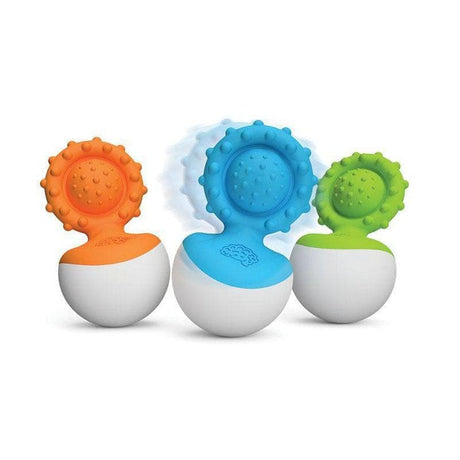
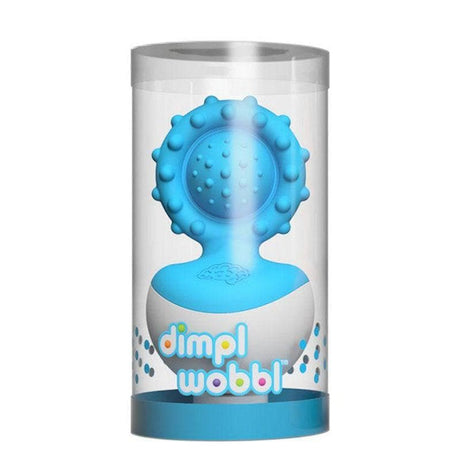
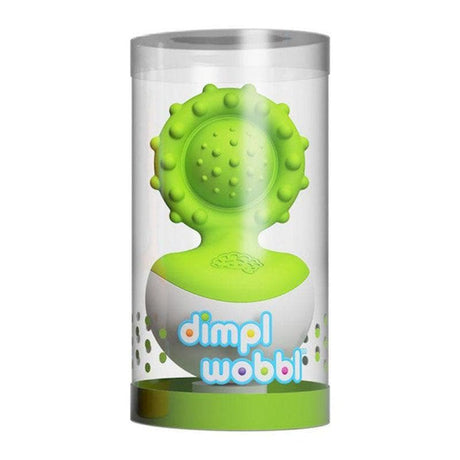
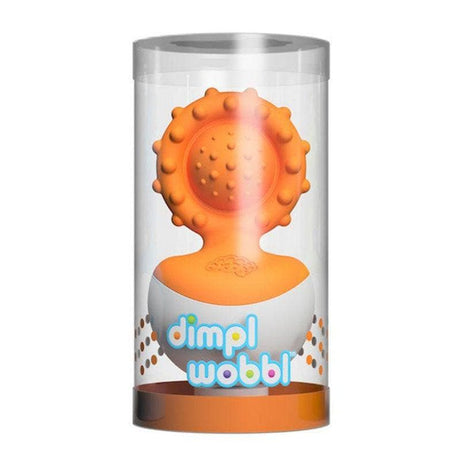
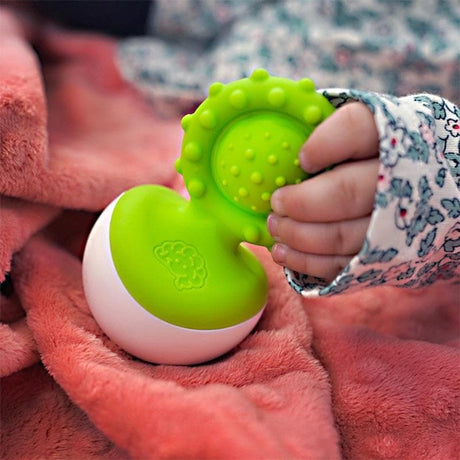
![Dimpl Wobbl]()
![Dimpl Wobbl]()
![Dimpl Wobbl]() $22.95Unit price /Unavailable
$22.95Unit price /Unavailable -
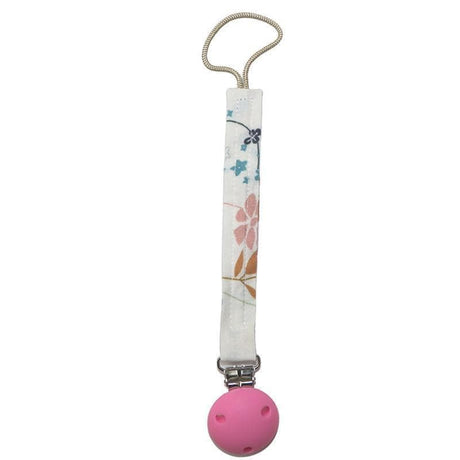
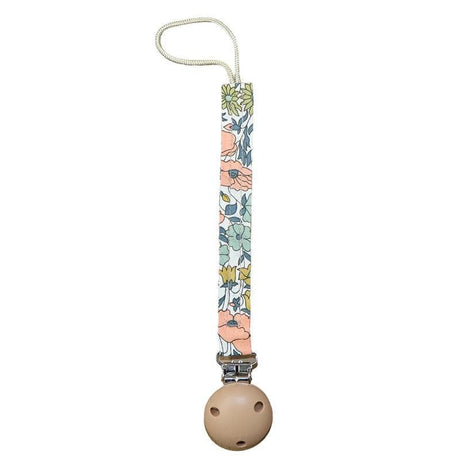
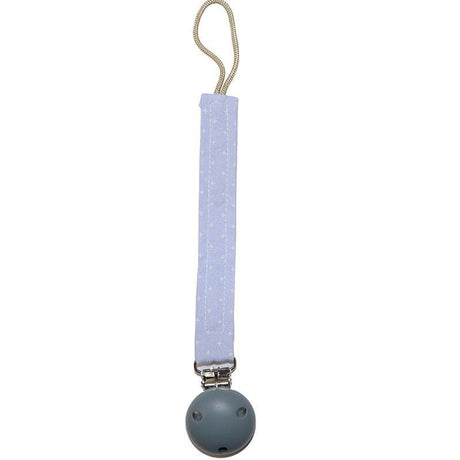
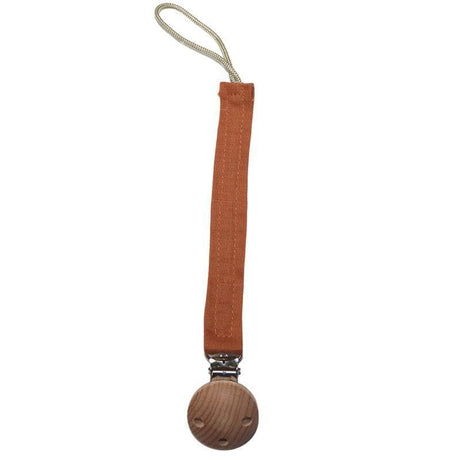
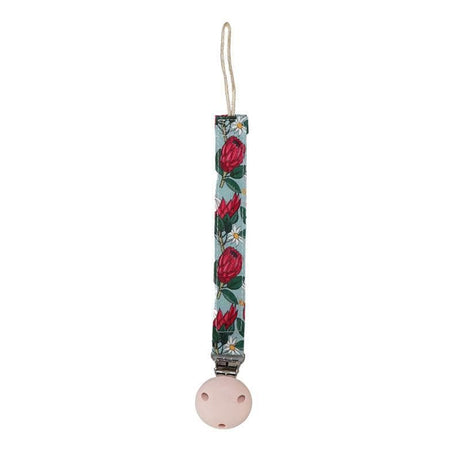
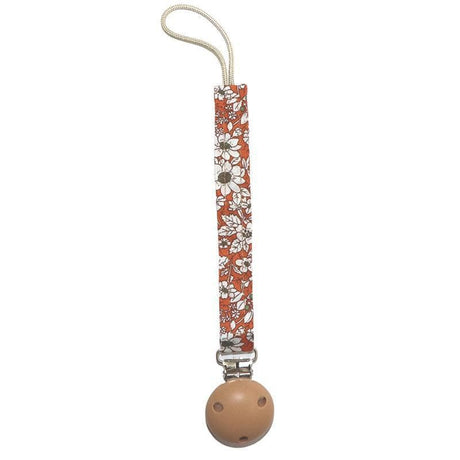
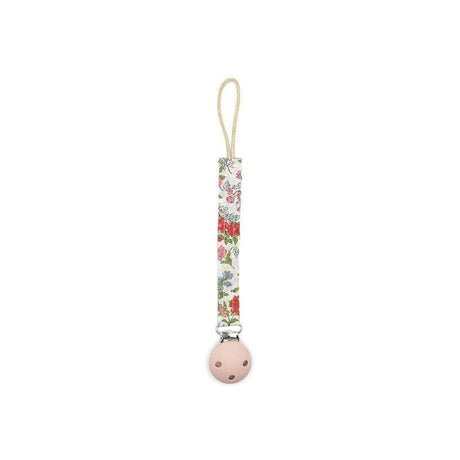
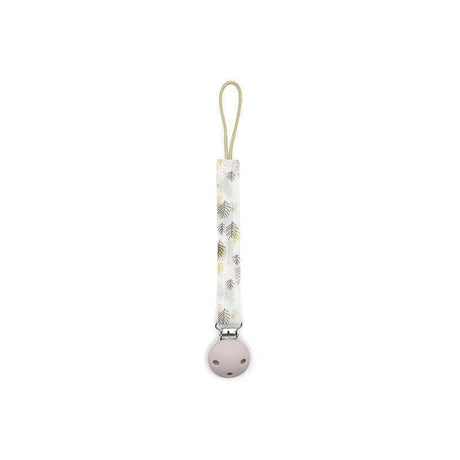
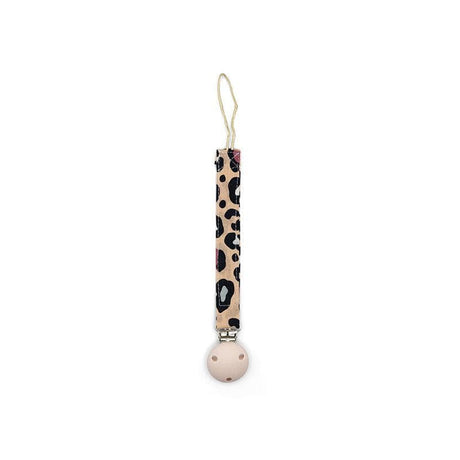
![Dummy Clips]()
![Dummy Clips]()
![Dummy Clips]()
![Dummy Clips]()
![Dummy Clips]()
![Dummy Clips]()
![Dummy Clips]()
![Dummy Clips]() $14.95Unit price /Unavailable
$14.95Unit price /Unavailable -
$12.95Unit price /Unavailable
-
$69.95Unit price /Unavailable
-
Sold out$26.95Unit price /Unavailable
-
$22.95Unit price /Unavailable
-
$99.95Unit price /Unavailable
-
 Sold out$39.95Unit price /Unavailable
 -
My Forest Friends Farmhouse Shape Sorter
$54.95Unit price /Unavailable -
Sold out$129.95Unit price /Unavailable




Babies Learn Through Interaction, Not Entertainment
First Play Experiences
Learning Through Repetition
Growing Curiosity
Development Through Interaction
Just Beginning
Newborn Toys
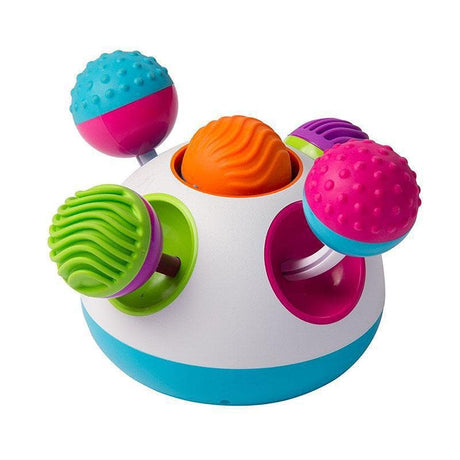
Everything Gets Grabbed
Baby Rattles
Everything Goes In Their Mouth
Teething Toys
Keeping Things Simple
Montessori Baby Toys
My Baby Is Becoming More Aware Of The World Around Them
My Baby Wants To Reach, Hold And Shake Anything Nearby
My Baby Explores New Objects By Chewing And Mouthing Them
I Want Play That Feels Calm And Purposeful
There Is No Perfect Toy For Every Baby