Click & Collect or 24hr Dispatch*

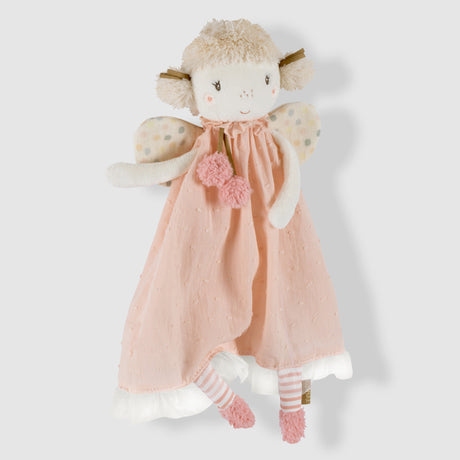
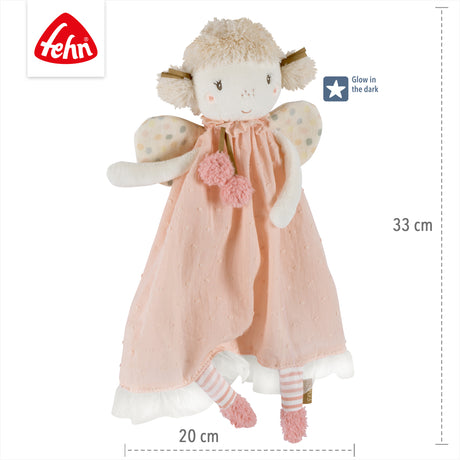
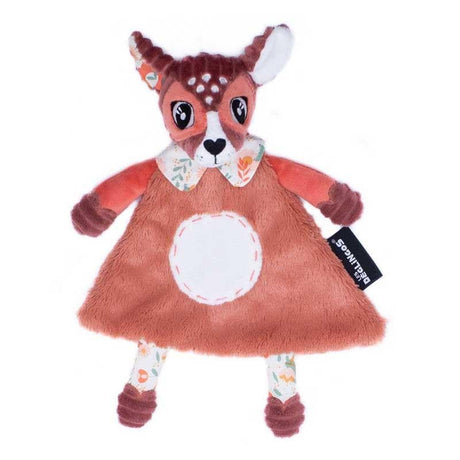
Baby Comforters, Security Blankets, Loveys & Doudous

Baby Comforters

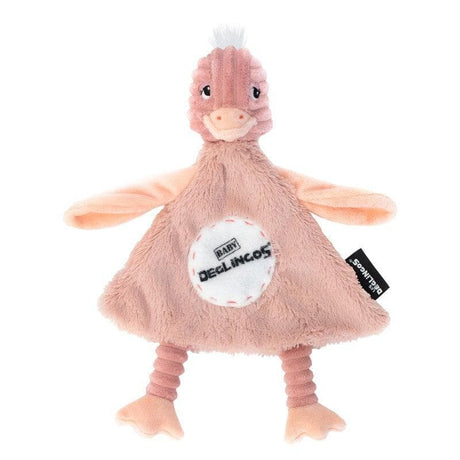
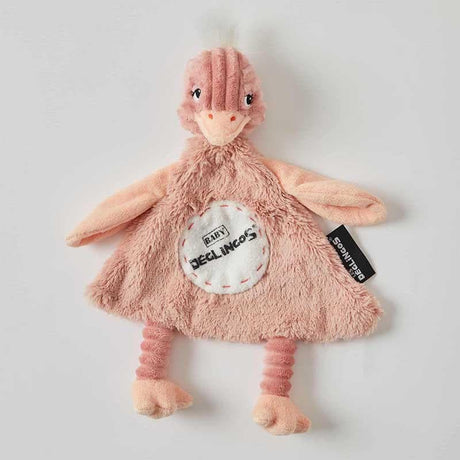
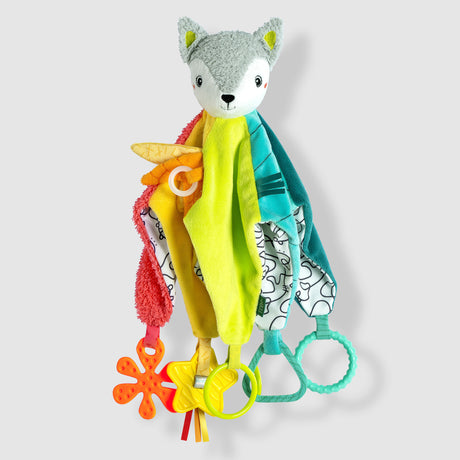
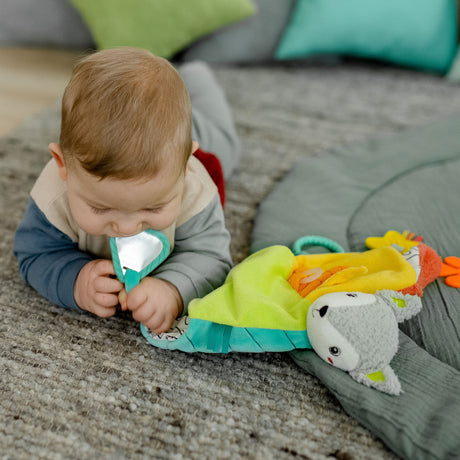
A baby comforter is often one of the first objects a child forms a meaningful attachment to. Known around the world as comforters, security blankets, loveys, comfort blankets and Doudous, these familiar companions help many babies feel reassured during naps, childcare, travel and everyday transitions. Unlike baby blankets, which are designed primarily for warmth, baby comforters are designed to provide familiarity, comfort and emotional reassurance as children grow more independent and begin spending time away from their parents


Choosing A Comforter For Childcare, Daycare And Nap Time

Why Many Babies Form Attachments To Comforters

As babies grow, they begin recognising familiar people, places, routines and objects. A baby comforter often becomes one of the first items associated with safety, comfort and predictability. During sleep, childcare, travel or times of separation, familiar comforters can help babies feel more secure because they carry familiar scents, textures and routines. Not every child develops an attachment to a comforter, but for many families, a well-loved comforter becomes an important source of reassurance during the early years.

Security & Comfort Sleep & Naps Childcare Support Everyday Reassurance

Familiarity Travels Wherever They Go

Unlike many baby products, comforters become meaningful because they move with the child. The same comfort object can travel between home, childcare, grandparents' houses and holidays, providing consistency in unfamiliar environments.

Supports Reassurance During Transitions

Many families find comforters particularly helpful during naps, childcare drop-offs, travel and bedtime routines because they provide something familiar during periods of change.

Comfort Children Can Seek Independently


As babies grow into toddlers, comforters often become one of the first comfort tools children actively seek out themselves when tired, overwhelmed or needing reassurance.

Shop by need

Lovey, Doudou Or Security Blanket: Which Is Best?

Parents often encounter several different names when researching comfort objects. While the terminology varies, the biggest difference usually comes down to size and style. Loveys and Doudous are often smaller and more portable, while security blankets provide a larger comfort surface for children who seek reassurance through touch and texture.

Choosing A Comforter For Childcare, Daycare And Nap Time

One of the most common reasons parents purchase a baby comforter is to help prepare for childcare. A familiar lovey, security blanket or Doudou can help bridge the gap between home and daycare by providing a consistent comfort object during naps, quiet time and moments of uncertainty. Smaller comforters are often easiest for children to carry independently between environments.

Lovey, Doudou Or Security Blanket: Which Is Best?

Parents often encounter several different names when researching comfort objects. While the terminology varies, the biggest difference usually comes down to size and style. Loveys and Doudous are often smaller and more portable, while security blankets provide a larger comfort surface for children who seek reassurance through touch and texture.

Choosing The Right Comfort Object

Start With How Your Child Seeks Comfort

Most babies show clear preferences when it comes to comfort. Thinking about how your child naturally seeks reassurance often makes the decision much easier.

Choose A Lovey, Doudou Or Comforter If

  • Your child likes carrying comfort items You need something suitable for childcare You want a first comfort object You travel regularly

Choose A Security Blanket If

  • Your child already seeks blankets for comfort The comforter will mainly be used for naps Your child enjoys soft textures You are replacing a favourite comfort blanket
The most successful comforters are rarely chosen because they are fashionable. They become important because they become familiar.

Designed For Comfort, Familiarity And Everyday Reassurance

Familiar comfort during naps, childcare and everyday transitions

Easy-to-wash comforters designed for frequent use

Loveys, Doudous and security blankets chosen for familiarity rather than novelty

Should You Buy Two Identical Comforters?

Many experienced parents recommend purchasing atleast two identical comforters from the beginning. Once a child forms an attachment, replacing a lost comforter can be difficult. Rotating two comforters regularly allows both to develop similar familiarity, scent and wear patterns, making childcare, travel and washing much easier to manage.

Looking For Warmth Rather Than A Comfort Object?


Baby comforters, security blankets and Doudous are designed primarily for reassurance and familiarity rather than warmth. If you are looking for nursery bedding, pram blankets, muslin wraps or sleep coverings, our Baby Blankets collection is usually the better choice. Many families use both together, with a blanket providing warmth and a comforter providing emotional comfort.

Small Comfort Objects Often Become Big Parts Of Childhood
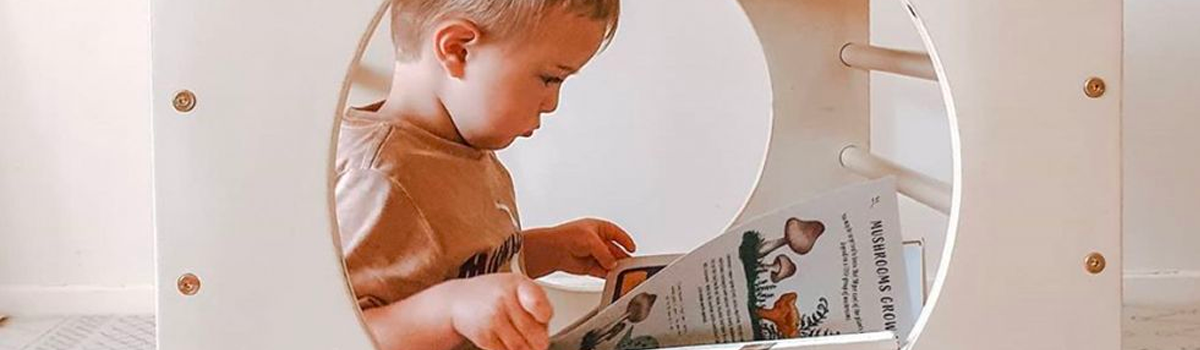
For many children, a comforter becomes far more than a soft object. It becomes part of bedtime routines, childcare drop-offs, family holidays, quiet moments and everyday comfort. Whether known as a baby comforter, security blanket, lovey or Doudou, these familiar companions often provide reassurance through consistency rather than complexity. The best comforters are rarely the most elaborate. They become important because they become familiar, trusted and woven naturally into a child's daily life.

Frequently asked questions
When Do Children Usually Outgrow Comforters And Security Blankets?

There is no universal age at which children stop using comforters. Some lose interest naturally during the preschool years, while others continue using a comforter, lovey or security blanket well into early primary school. In most cases, children gradually reduce their reliance on comfort objects as they gain confidence, emotional regulation skills and familiarity with everyday routines. Comforters often remain important during specific situations such as illness, travel, bedtime or periods of stress even after they are no longer carried everywhere. Parents sometimes worry that ongoing attachment indicates dependence, but comforters are generally considered a normal part of childhood. Most children eventually move away from comfort objects at their own pace without requiring intervention. Rather than focusing on when a child should stop using a comforter, it is usually more helpful to recognise the role it plays in helping them feel secure. For many children, comforters simply become less important as their confidence and independence continue to grow.

What Should Parents Do If A Favourite Comforter Gets Lost?

Losing a favourite comforter can feel like a family emergency, particularly if the child has developed a strong attachment. The best strategy is prevention. Many parents purchase two identical comforters and rotate them regularly from an early stage. This helps both comforters develop similar familiarity and reduces distress if one goes missing. If a comforter is lost unexpectedly, it can be helpful to remain calm and acknowledge the child's feelings rather than dismissing them. Comforters often hold genuine emotional significance for children, so grief over a lost comfort object is understandable. If a replacement is available, introducing it alongside familiar routines can help ease the transition. Some children accept a replacement quickly, while others need more time. Labelling comforters, keeping backups and choosing products that are likely to remain available for future purchase are all practical steps that can help families avoid difficulties later. Planning ahead is often far easier than trying to replace a beloved comforter after attachment has developed.

Why Do Babies Become So Attached To Comforters, Loveys And Security Blankets?

Parents are often surprised by how quickly an ordinary comforter can become one of their child's most treasured possessions. Attachment usually develops because the comforter becomes associated with repeated comforting experiences. Feeding sessions, cuddles, naps, bedtime routines and moments of reassurance all contribute to these associations. Over time, the comforter becomes a familiar symbol of safety, comfort and predictability. Children are not necessarily attached to the object itself. Instead, they are attached to what it represents. Familiar textures, scents and routines provide reassurance during times of tiredness, uncertainty or change. This explains why a comforter can become particularly important during childcare transitions, illness, travel or periods of separation. Attachment to comfort objects is a common and healthy part of early childhood for many children. It often reflects growing independence rather than dependence, because the child is learning to seek comfort from a familiar object when a parent is not immediately available.

What's The Difference Between A Baby Comforter And A Baby Blanket?

Although both products are soft and comforting, baby comforters and baby blankets are designed for very different purposes. A baby blanket is primarily intended to provide warmth, coverage and comfort during sleep, pram outings or nursery routines. Parents often choose blankets based on season, fabric type, breathability and warmth. A baby comforter, security blanket, lovey or Doudou is designed as a comfort object rather than bedding. Its purpose is familiarity, reassurance and emotional comfort. Over time, many babies become attached to their comforter because it becomes associated with cuddles, sleep routines, family connection and familiar scents. While some comforters contain blanket-like elements, they are not designed to replace blankets. Many families use both products together, with a blanket providing warmth and a comforter providing reassurance. Understanding this distinction can help parents choose the product that best meets their child's needs while avoiding confusion between bedding and attachment objects.

Can A Baby Comforter Help With Separation Anxiety?

Separation anxiety is a normal developmental stage that often emerges during the second half of the first year and can continue into toddlerhood. As babies become more aware of their caregivers and surroundings, they also become more aware when those caregivers are not immediately present. A baby comforter cannot prevent separation anxiety, but it can provide familiarity and reassurance during periods of transition. Many children seek out their comforter, lovey, Doudou or security blanket because it represents consistency. The comforter becomes associated with home, family routines and comforting experiences, which can help children feel more secure when entering childcare, staying with relatives or settling into unfamiliar environments. Importantly, comforters work best as part of a broader support strategy rather than a replacement for responsive caregiving. For many families, a familiar comfort object becomes a valuable tool that helps children build confidence while navigating new experiences and growing independence.

Should I Buy Two Identical Baby Comforters?

Many experienced parents strongly recommend purchasing two identical comforters before attachment develops. Comforters are frequently misplaced, forgotten at childcare, left at grandparents' houses or unexpectedly require washing. Once a child develops a strong attachment, replacing a lost comforter can become surprisingly difficult. Rotating two identical comforters from an early stage allows both to develop similar familiarity, scent and wear patterns. This makes it much easier to substitute one for the other when necessary. Parents are often surprised by how quickly a comforter becomes a non-negotiable part of daily life, particularly around sleep routines and childcare. Purchasing a duplicate comforter is rarely about convenience alone. It is often a practical way of avoiding distress and maintaining consistency when inevitable mishaps occur. If you find a comforter your child genuinely loves, securing a backup while it is still available can be one of the simplest decisions you make.

Can A Baby Comforter Help During Childcare Or Daycare Transitions?

For many families, childcare is one of the main reasons a comforter becomes important. Starting daycare introduces new people, routines, environments and expectations. Even confident children can experience uncertainty as they adapt to these changes. A familiar comforter, security blanket or lovey helps bridge the gap between home and childcare by providing something familiar during unfamiliar moments. Because comforters often carry familiar scents and strong associations with home routines, they can provide reassurance during rest periods, naps and moments when children feel unsettled. Many childcare providers actively encourage the use of comforters because they help support smoother transitions and self-regulation. While a comforter cannot eliminate separation anxiety entirely, it can provide a source of familiarity that helps children feel more secure while building confidence in their new environment. Choosing a comforter that is portable, durable and easy to identify is often particularly useful for families preparing for childcare.

When Is The Best Age To Introduce A Baby Comforter?

Many parents wonder whether there is a perfect age to introduce a comforter, but attachment usually develops gradually rather than appearing at a specific milestone. Around six to twelve months, many babies begin recognising familiar people, places, routines and objects more consistently. This is often when comforters, loveys and security blankets begin taking on greater significance. Some families introduce a comforter earlier during supervised cuddles, feeding sessions and quiet routines so familiarity can develop naturally over time. Others wait until childcare, travel or separation anxiety becomes more relevant. Importantly, comforters are not something that should be forced. Babies generally decide for themselves whether a particular comfort object becomes meaningful. The goal is simply to provide opportunities for familiarity to develop through repeated positive experiences. For many children, attachment happens slowly as the comforter becomes linked to feelings of safety, connection and reassurance. A familiar comforter often becomes most valuable during periods of change when consistency is particularly important.

What's The Difference Between A Baby Comforter And A Security Blanket?

Although the terms are often used interchangeably, there are subtle differences between baby comforters and security blankets. A baby comforter is a broad category that includes loveys, Doudous, comfort blankets and comforter toys. Security blankets tend to focus more specifically on providing tactile reassurance through soft textures and familiar fabrics. Many security blankets are slightly larger than a lovey and may be used primarily during naps, bedtime and quiet moments. A baby comforter, on the other hand, can take many forms and is often designed to travel with the child throughout the day. The most important distinction is not the product itself but how the child uses it. Some babies become attached to carrying a small lovey everywhere, while others seek comfort from the feel of a larger blanket. Parents often discover their child's preferences naturally over time. Rather than focusing on labels, it is usually more helpful to consider where the comfort object will be used, how portable it needs to be and what types of textures your child finds reassuring.

What Is A Doudou And How Is It Different From A Baby Comforter?

A Doudou is a French term used to describe a baby's comfort object, typically a small comfort blanket, lovey or soft comfort companion that provides familiarity and reassurance. While Australian parents are more likely to search for terms such as baby comforter, security blanket or baby lovey, a Doudou serves exactly the same purpose. It becomes associated with comforting routines, familiar scents and reassuring experiences. Over time, many babies begin seeking out their Doudou during naps, bedtime, childcare drop-offs or moments of uncertainty because it represents familiarity rather than simply being a toy. The biggest difference is simply terminology. Across Europe, Doudou is a widely recognised term, while in Australia parents tend to use comforter, lovey or security blanket. Regardless of the name, these comfort objects help create consistency during periods of change, travel, childcare and growing independence. Many families choose a Doudou because its smaller size makes it easy for babies to carry themselves while still providing the reassurance they seek.