Toddler Toys
Supporting The Shift From Baby Play To Purposeful Play
Start here
The most engaging toddler toys are often the ones that match what your child is trying to master right now rather than simply choosing toys based on age alone.
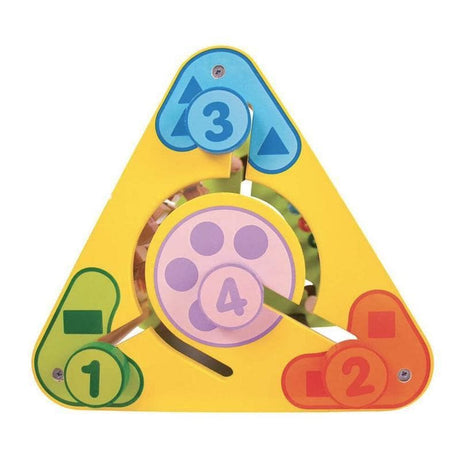
Activity Centres
Wooden Puzzles
Early Sensory Play
Movement & First Climbing
First Year Play
Baby & Early Years
Some toddlers are focused on repetition and routine, while others are seeking movement, challenge or greater independence. Understanding these differences can make it easier to choose the right type of play.
-

-
 Sold out$12.95Unit price /Unavailable
 -
 Sold out
 -
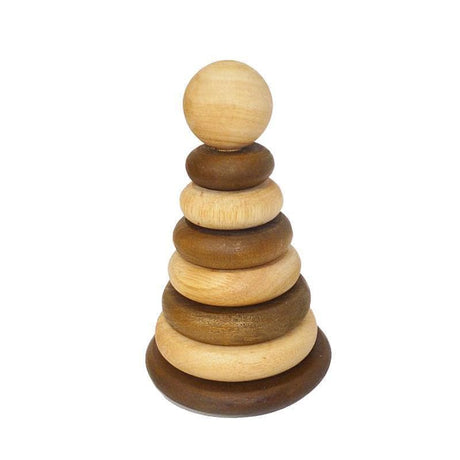
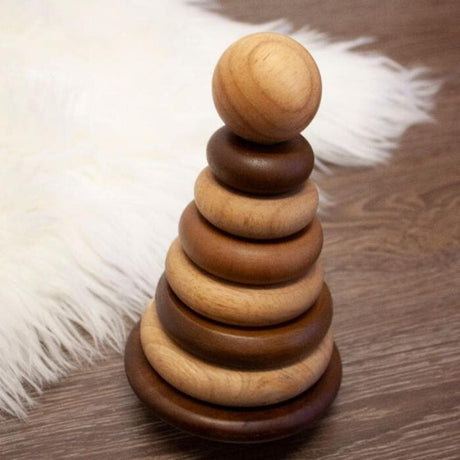
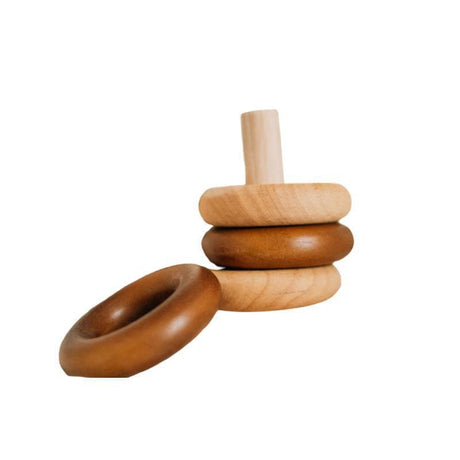
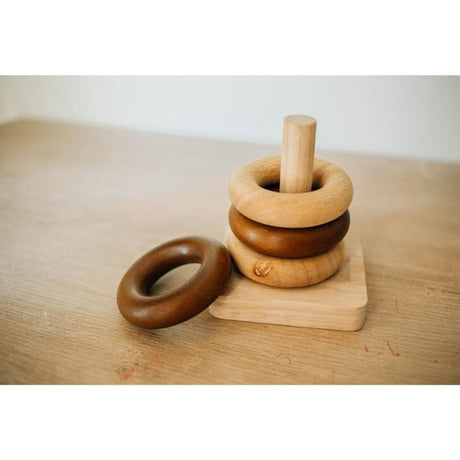
Natural Bouncing Stacking Rings
$34.95Unit price /Unavailable -
$49.95Unit price /Unavailable
-
$49.95Unit price /Unavailable
-
-
-
-
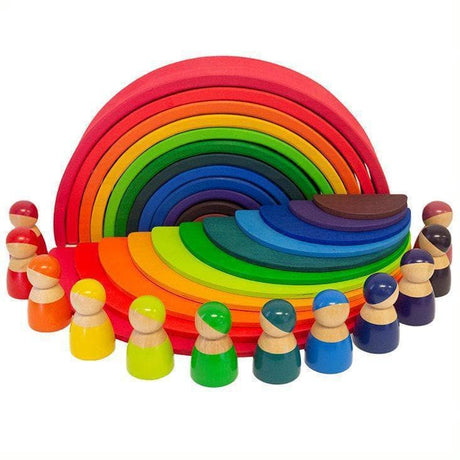
![Wooden Rainbow Starter Pack]()
-
 50% off
 -

-
Sold out
-
-
$39.95Unit price /Unavailable
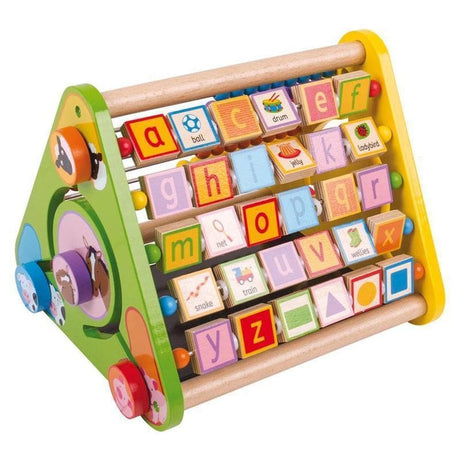




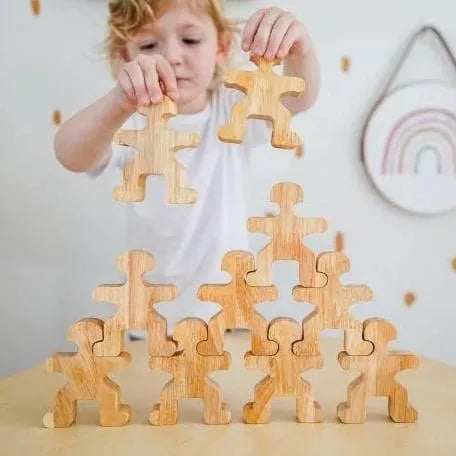
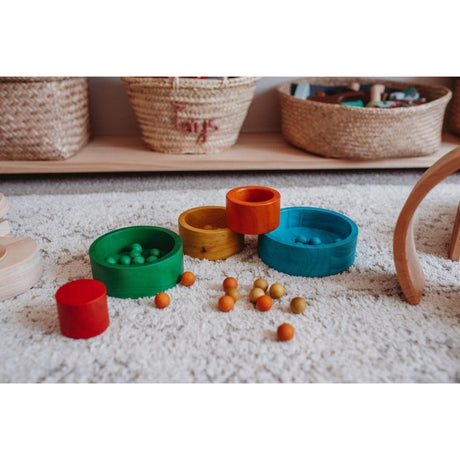
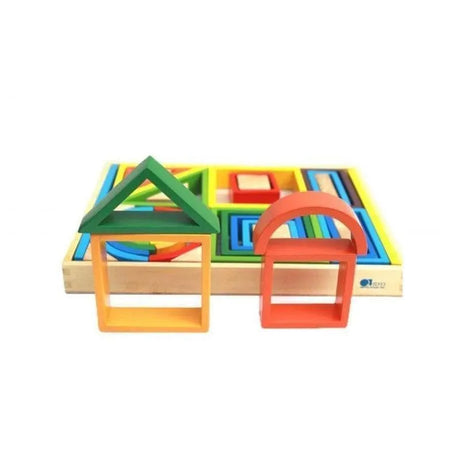
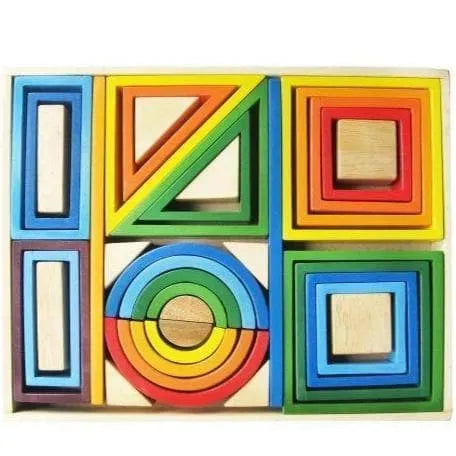
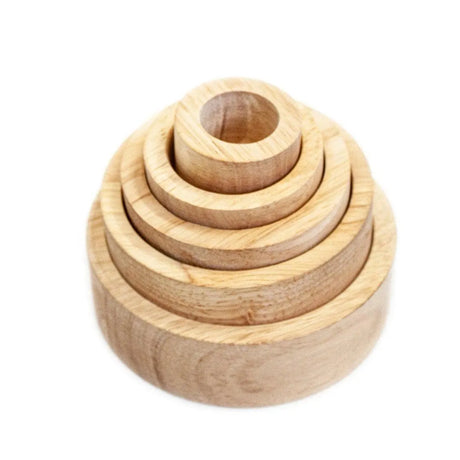
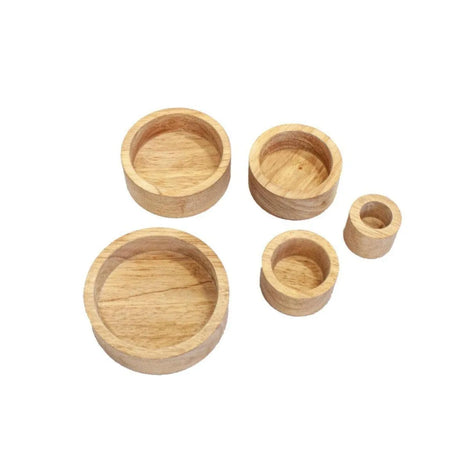
Toddlers Learn By Doing Things Themselves
Growing Independence
Learning Through Repetition
Problem Solving
Purposeful Play
Nothing Holds Attention
Activity Centres
Again And Again
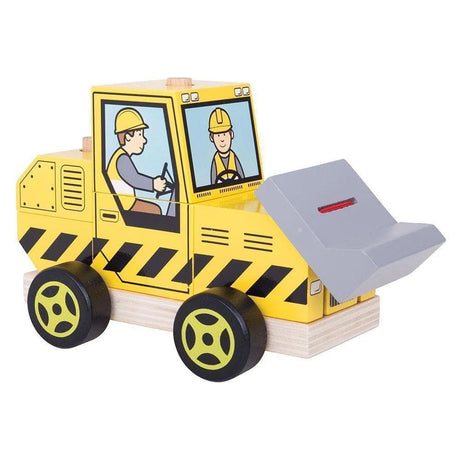
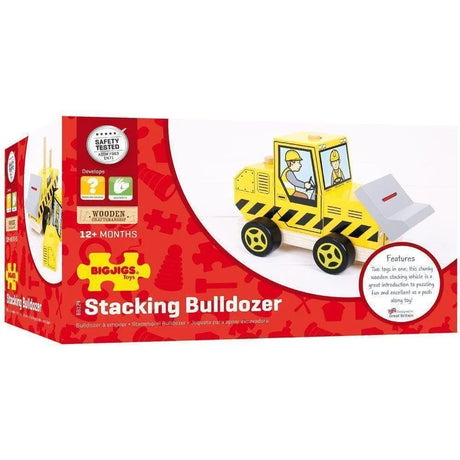
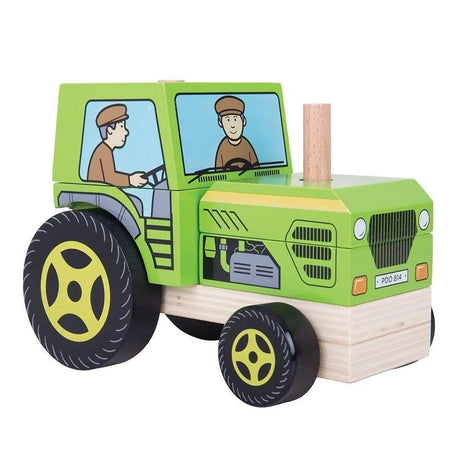
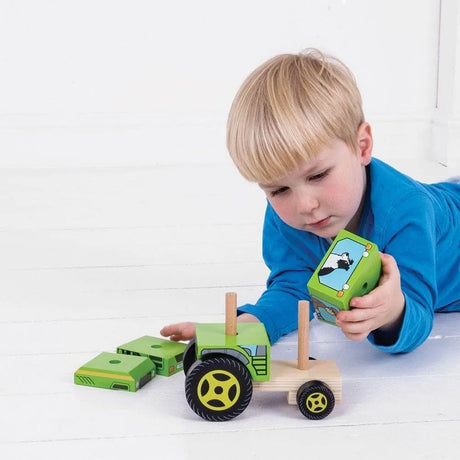
Stacking Toys
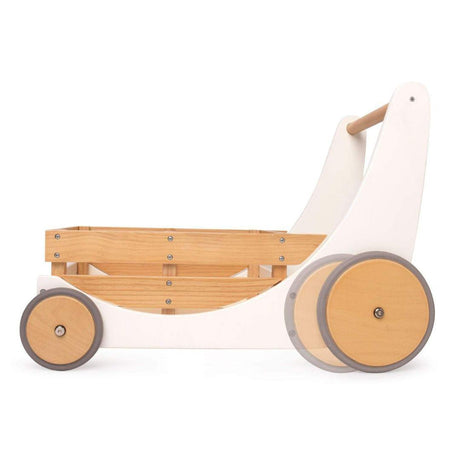
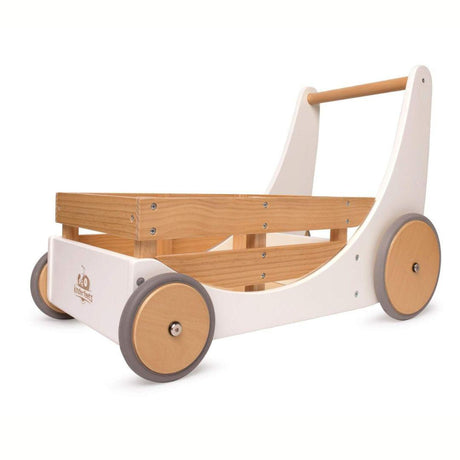
Wants To Carry Everything
Pull Along Toys
Ready For More Challenge
Wooden Puzzles
My Toddler Moves Quickly From One Toy To The Next
My Child Repeats The Same Activity Constantly
My Toddler Takes Their Favourite Toys Everywhere
Simple Play No Longer Feels Enough
When Sitting Still Becomes Difficult
Some Toddlers Need Bigger Physical Challenges
There Is No Single Right Way To Play During Toddlerhood