Click & Collect or 24hr Dispatch*

Small World Animal Adventures

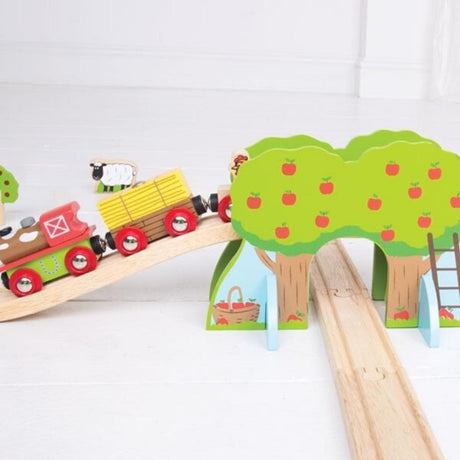
Farmyard Toys For Imaginative Small World Play


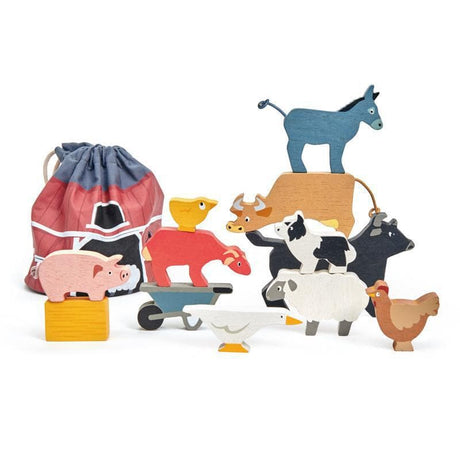
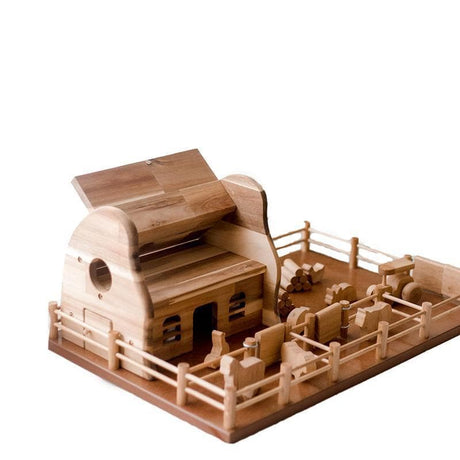
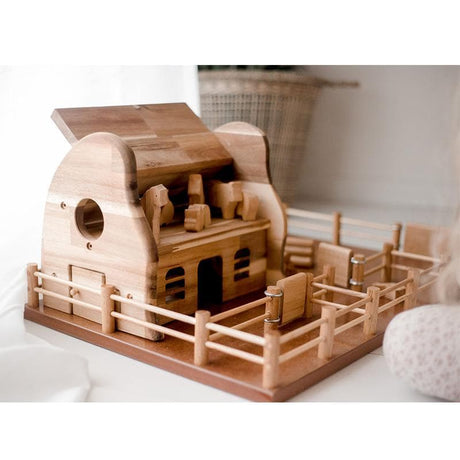
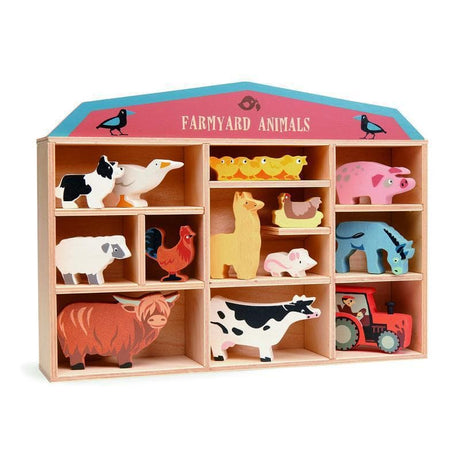
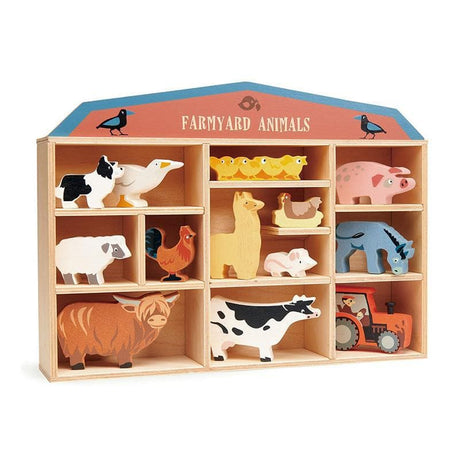
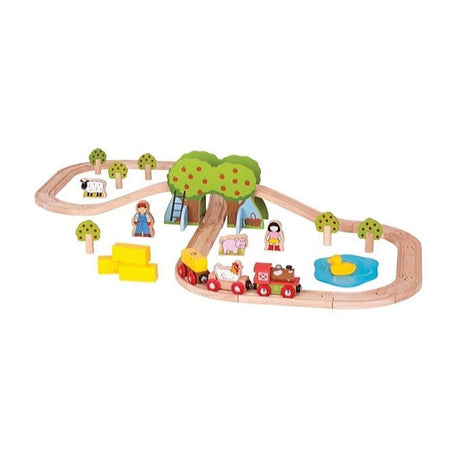
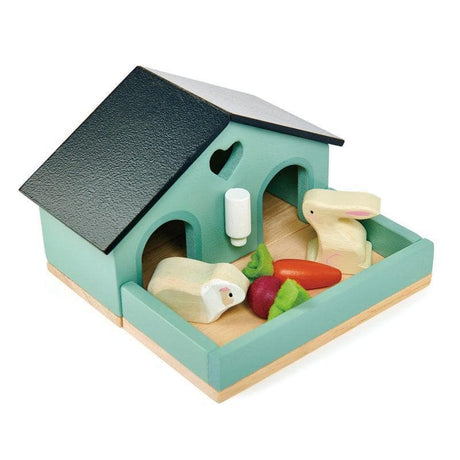
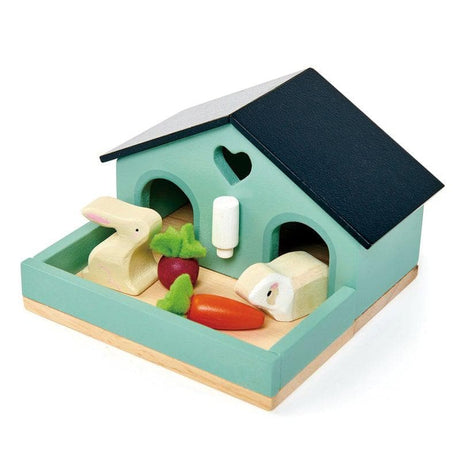
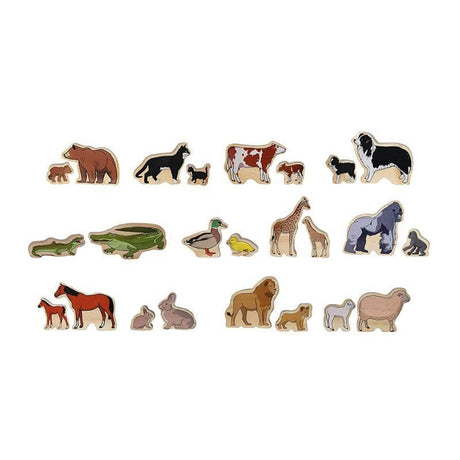
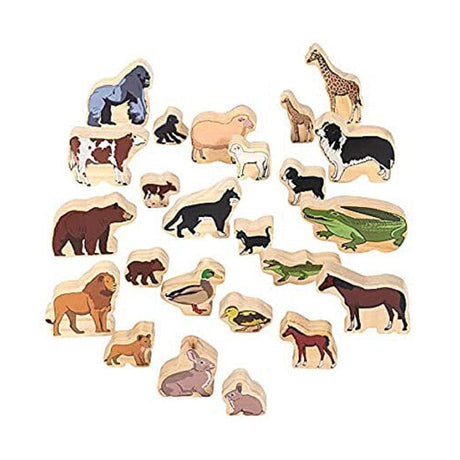
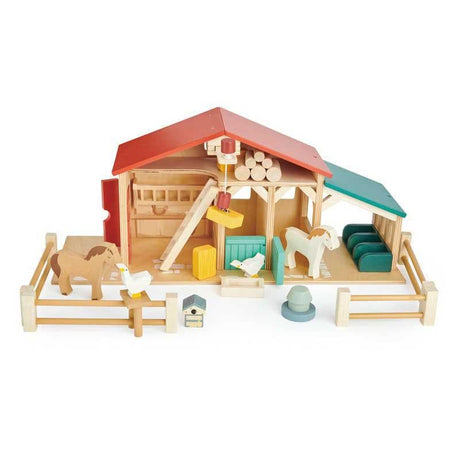
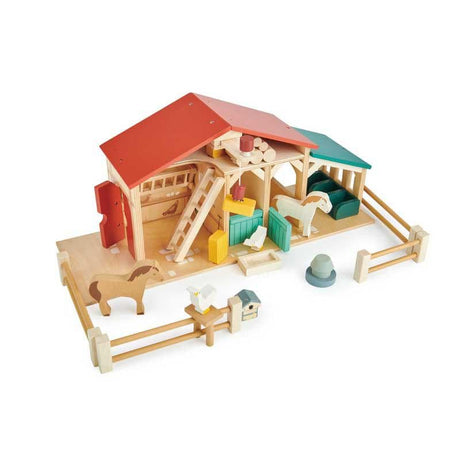
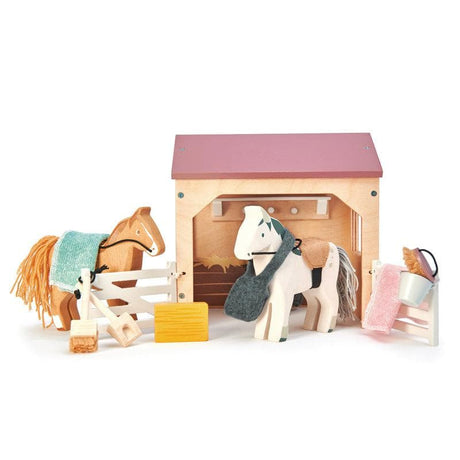
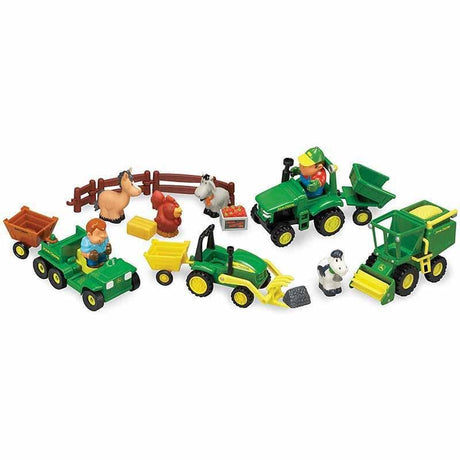
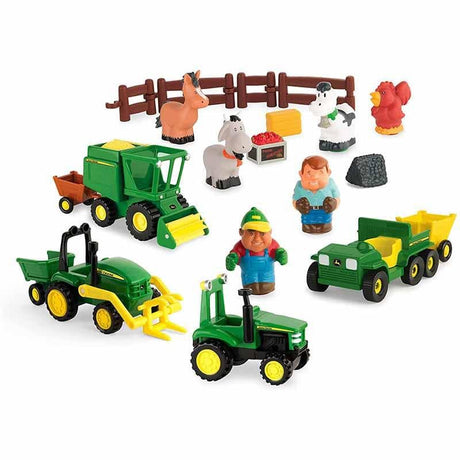
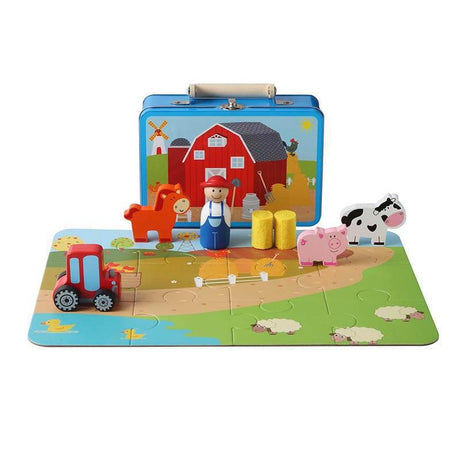
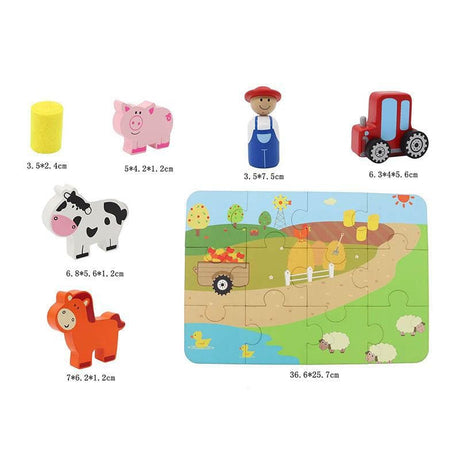
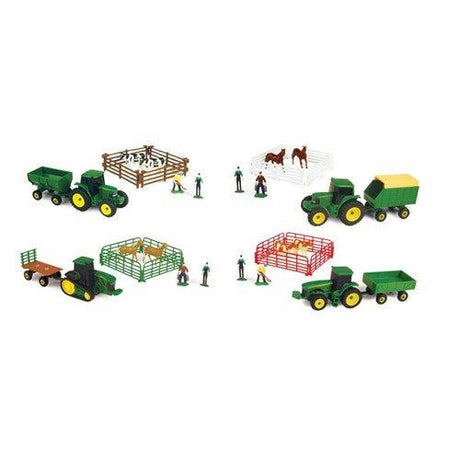
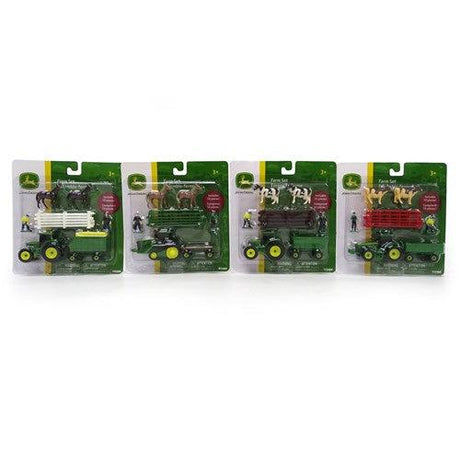
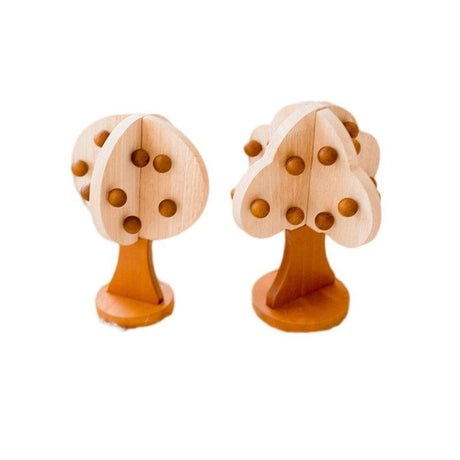
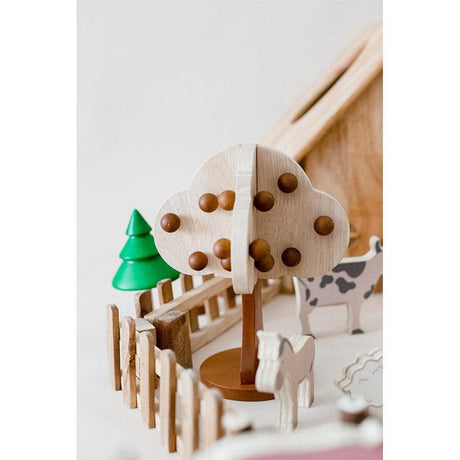
Discover beautifully designed farmyard toys, farm animal figurines and immersive small world play sets designed to encourage calm imaginative storytelling and open-ended pretend play. From wooden farm toys and realistic farm animal figurines to barns, fences and sensory farm play accessories, our collection encourages children to create meaningful animal adventures, imaginative farm routines and immersive storytelling worlds they return to again and again.


Farm Toys For Toddlers Who Love Repetitive Imaginative Play

Why Farmyard Toys Encourage Deep Imaginative Play

Farm play naturally encourages a slower, more immersive style of imaginative storytelling that many children return to repeatedly throughout early childhood. Unlike toys built around flashing lights, fast interactions or single outcomes, farmyard toys invite children to build ongoing worlds, routines and pretend play experiences through open-ended storytelling.

Many children instinctively understand farm play because the themes feel familiar and grounded in real life. Feeding animals, building barns, moving fences, caring for creatures and creating daily farm routines all help children build imaginative confidence through repetitive storytelling and independent play.

Farm animal figurines and small world farm toys also encourage a style of play that evolves naturally over time. Younger children may begin with simple animal naming and sensory exploration, while older children often expand into elaborate pretend play worlds involving farming adventures, rescue stories, animal care and imaginative role play.

For families searching for calm screen-free play that feels meaningful, reusable and deeply engaging, farmyard toys often become one of the most revisited imaginative play setups in the playroom.
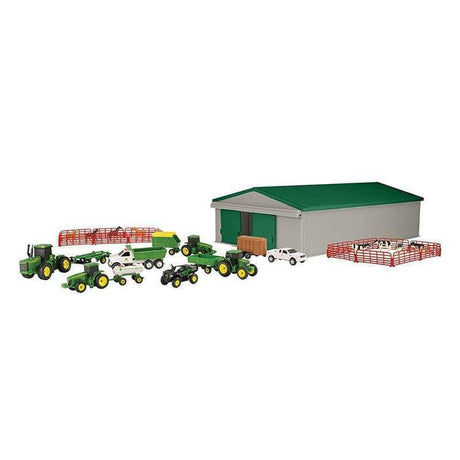
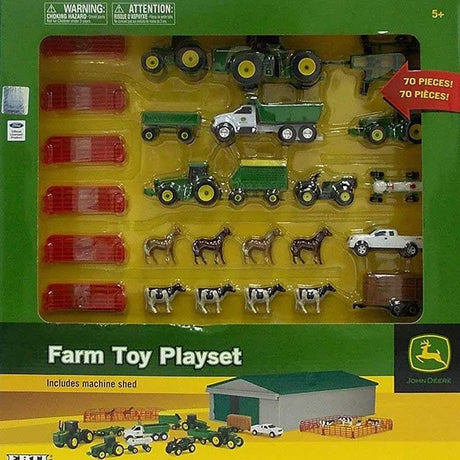
Calm Storytelling Play Open-Ended Imagination Reusable Small World Play Animal Adventure Play
Encourages Repetitive Storytelling & Independent Play


Farmyard toys naturally encourage repetitive imaginative storytelling because children can revisit familiar farm routines and animal adventures in different ways each time they play. Feeding animals, building fences, creating barns and inventing farm stories often leads to longer independent play sessions compared to toys with fixed rules or repetitive electronic interactions.

Supports Calm Open-Ended Small World Play


Many children are naturally drawn to farm play because it combines realistic themes with imaginative freedom. Farm animal figurines and wooden farm toys encourage children to create immersive small world environments where they control the storytelling, pace and direction of play independently.

Grows Naturally Alongside Imaginative Development


Farm play evolves easily as children grow. Younger toddlers may begin by naming animals and exploring sensory farm play, while older children often expand into elaborate imaginative storytelling involving barns, rescue missions, farming routines and pretend animal care adventures.
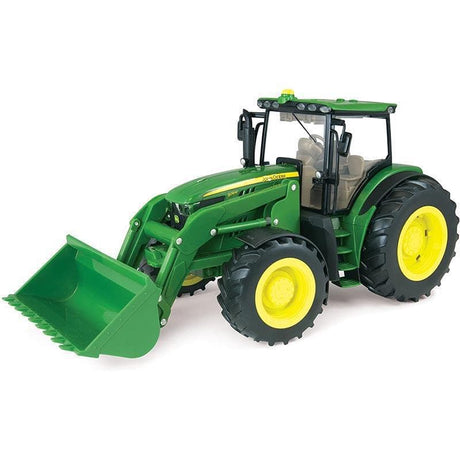
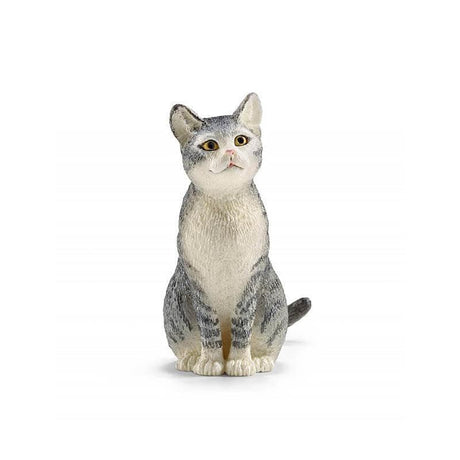
Choosing The Right Farm Play Style

Which Farmyard Toys Are Best For Your Child?

Different children engage with farm play in very different ways. Some children prefer calm sensory storytelling and simple animal play, while others enjoy building large imaginative farm worlds filled with routines, adventures and detailed role play.

Best For Younger Or Beginner Farm Play

  • Wooden farm animal toys Larger easy-to-hold figurines Simpler sensory storytelling Beginner small world play Calm independent imaginative play

Best For Expanded Imaginative Farm Worlds

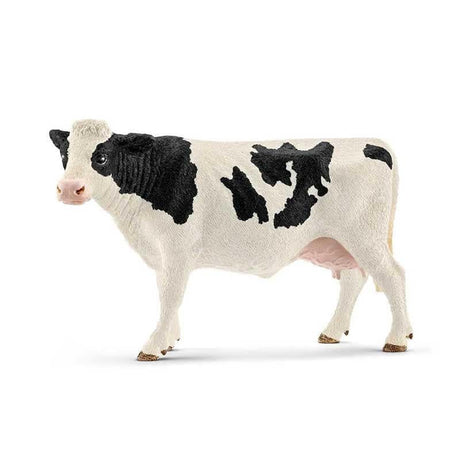
  • Realistic farm animal figurines Barns and immersive play sets Detailed storytelling adventures Animal rescue and farm role play Larger small world farm environments
Children who naturally enjoy animals, routines and imaginative storytelling often continue expanding farm play independently over many years as their small world storytelling becomes more detailed and immersive.

Why Families Love Our Farm Play Collection

Open-ended farm play designed for immersive storytelling and independent imaginative adventures

Durable farm animal toys and small world play sets children revisit repeatedly

Carefully curated wooden and realistic farm figurines for calm imaginative play

What Parents Often Overlook When Choosing Farmyard Toys

Many farm toys appear visually similar at first glance, but the style of imaginative play they encourage can feel very different once children begin engaging with them regularly. Some farm toys are designed mainly for visual novelty, while others encourage immersive storytelling, repetitive pretend play and independent world building that children revisit repeatedly over time.

Parents searching for farm toys for toddlers often benefit from considering how their child naturally plays. Children who enjoy organising toys, creating routines, caring for animals or building imaginative worlds often engage especially deeply with farm figurines and small world farm play.

It can also help to consider whether your child prefers realistic animal storytelling or more open-ended imaginative play. Wooden farm toys often encourage broader imaginative interpretation, while realistic farm animal figurines may appeal more strongly to children who enjoy detailed pretend play and immersive role play adventures.

When Farmyard Toys May Not Be The Best Fit

Farmyard toys may not suit children who strongly prefer fast-paced action toys, highly competitive gameplay or heavily structured activities with fixed outcomes. Some children naturally gravitate more toward construction toys, puzzles, vehicles or physical active play rather than immersive storytelling and small world role play.

Families searching primarily for sensory mess play or electronic entertainment may also prefer alternative toy categories. Farm play works best for children who enjoy imaginative storytelling, animal role play, repetitive pretend play and creating evolving imaginative worlds independently over time.

Small World Farm Play Children Grow Into Over Time

The most meaningful imaginative toys are often the ones children continue expanding naturally as their storytelling grows more detailed and immersive. Farmyard toys encourage this beautifully by allowing children to revisit familiar animal adventures, farm routines and imaginative storytelling experiences again and again through open-ended play.

For many families, farm play becomes more than a simple toy category. It becomes part of everyday imaginative storytelling, sensory play, animal role play and independent small world adventures children return to throughout early childhood.

Whether your child is just beginning small world play or already creating elaborate imaginative animal stories, farmyard toys can create calm, creative and deeply engaging play experiences that evolve naturally over time.

Frequently asked questions
Why do many families combine farmyard toys with sensory play?

Farm play blends naturally with sensory storytelling because the themes already connect strongly to real-world textures, environments and imaginative routines. Many children enjoy combining farm figurines with sensory materials like sand, mud play, hay, water or nature loose parts to create immersive farm environments they can explore physically and imaginatively at the same time.

This combination often encourages deeper storytelling because children are not simply moving toys around a surface. Instead, they are building entire farm worlds with sensory-rich environments, animal habitats and imaginative adventures that feel more realistic and engaging.

For families searching for calm open-ended sensory play, farmyard toys can become an ideal foundation for immersive imaginative exploration at home.

Are realistic farm animal toys better for preschoolers than toddlers?

Realistic farm animal figurines often become especially appealing during the preschool years when children begin creating more detailed imaginative narratives and role play adventures independently. Many preschoolers enjoy using realistic animals to build immersive farm worlds filled with routines, problem solving and storytelling scenarios.

Younger toddlers may still enjoy realistic figurines, particularly when paired with simple sensory farm setups or parent-guided storytelling. However, some toddlers engage more easily with larger wooden farm toys that feel simpler and less visually overwhelming during early imaginative development.

The best choice usually depends less on age alone and more on the child’s individual storytelling preferences and sensory play style.

How does small world farm play support storytelling development?

Small world farm play naturally encourages children to practise sequencing, imaginative dialogue and narrative building through pretend play. Children often create repeated story structures involving feeding routines, animal adventures, rescue situations, weather changes or farm tasks, all of which help strengthen imaginative storytelling patterns over time.

Because farm play is grounded in familiar real-world experiences, many children find it easier to build confidence through farm storytelling compared to highly abstract fantasy role play. This familiarity often allows children to remain immersed in imaginative narratives for longer periods without becoming overwhelmed.

Many parents notice that children begin introducing increasingly detailed language, character interactions and storytelling complexity as their farm play worlds expand naturally over time.

What should parents look for in high quality farm toys for toddlers?

When choosing farm toys for toddlers, many parents benefit from focusing on durability, play flexibility and ease of imaginative engagement rather than simply the number of pieces included. High quality farm toys often encourage repeated storytelling and independent play rather than relying on visual novelty alone.

Larger figurines, durable materials and open-ended play opportunities usually create more meaningful long-term engagement for younger children. Many families searching for wooden farm toys or Montessori farm animals also prefer toys that encourage children to build their own imaginative farm worlds gradually through sensory storytelling and pretend play.

It can also help to consider whether your child prefers realistic animal role play or broader open-ended storytelling experiences when choosing between figurine styles.

Are farmyard toys good for calm independent play?

Many children use farm play as a calming imaginative activity because the repetitive routines and slower storytelling style can feel deeply immersive without becoming overstimulating. Feeding animals, building fences, organising figurines and creating pretend farm environments often encourages longer periods of focused independent play.

Unlike fast-paced toys that constantly direct the child’s attention externally, small world farm play allows children to control the pace, direction and sensory experience themselves. This often creates a calmer style of engagement that families appreciate during quiet afternoons, indoor play or screen-free playtime at home.

For children who enjoy repetitive storytelling or nurturing imaginative play, farmyard toys can become one of the most naturally regulating pretend play setups available.

Why do children often revisit farm play repeatedly over many years?

Farm play evolves naturally alongside children’s imagination because the themes remain flexible rather than fixed to a single storyline or activity. A toddler may initially focus on naming animals and sensory exploration, while an older child may later create elaborate small world farms, rescue stories or imaginative animal care adventures using many of the same toys.

Because the play system remains open-ended, children can continuously reinterpret the farm world in new ways as their storytelling abilities grow more detailed and complex. This often creates far more longevity than toys based on single characters, trends or electronic interactions.

Many parents searching for reusable imaginative toys value farmyard play specifically because children continue finding new ways to engage with it over time.

Can farm animal figurines help children who struggle with imaginative play?

Farm animal figurines can work beautifully for children who find open-ended pretend play difficult because the familiar nature of farm themes creates an easier entry point into storytelling. Many children already understand basic concepts like feeding animals, building barns or caring for creatures, which helps reduce the pressure of inventing completely unfamiliar imaginative scenarios.

Children often begin with simple repetitive actions such as lining animals up, feeding them or moving them around the farm before gradually expanding into more detailed imaginative storytelling over time. This progression can feel far more accessible than highly abstract pretend play experiences.

For children who enjoy routines, organisation or sensory storytelling, farm play often creates a calmer and more approachable pathway into independent imaginative play.

What is the difference between wooden farm toys and realistic farm animal figurines?

Wooden farm toys often encourage broader imaginative interpretation because their simpler appearance allows children to project their own stories and ideas onto the play experience more freely. Many families searching for Montessori farm toys prefer wooden figurines because they support calm open-ended storytelling without overwhelming visual detail.

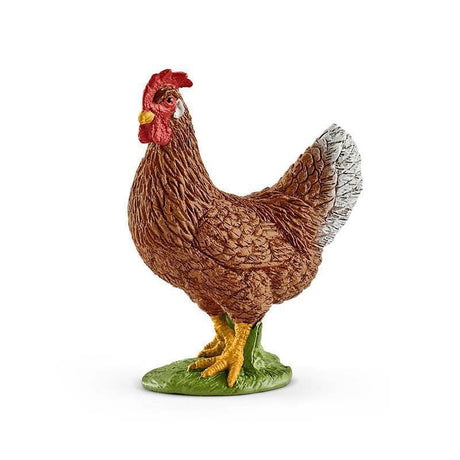
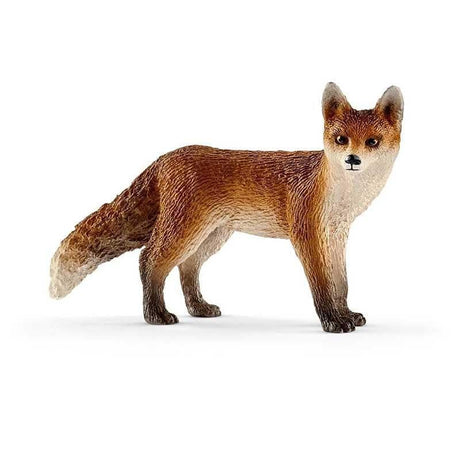
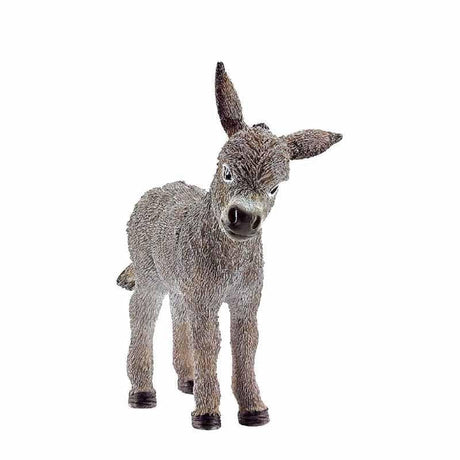
Realistic farm animal figurines often appeal to children who enjoy detailed pretend play and immersive animal storytelling. Some children love creating highly specific farm adventures, rescue stories or realistic farm routines using figurines that closely resemble real animals.

Neither style is necessarily better. The best choice usually depends on how your child naturally engages with imaginative play. Some children even enjoy combining both styles together within larger small world farm setups.

What age are farm toys best suited for?

Many children begin engaging with simple farm animal toys around two years old, particularly when they enjoy naming animals, sensory exploration and repetitive pretend play routines. Younger toddlers often benefit from larger farm figurines and simpler wooden farm toys that are easier to hold and manipulate independently.

As children grow older, farm play often evolves naturally into more detailed small world storytelling involving barns, fences, rescue missions, animal care routines and imaginative role play adventures. Some children continue revisiting farm storytelling well into the early primary years because the themes remain flexible and open-ended.

Rather than focusing only on age, it is often more useful to consider your child’s play style. Children who enjoy animals, nurturing play, repetitive storytelling and imaginative world building often engage especially deeply with farmyard toys.

Why do farmyard toys encourage longer imaginative play than many electronic toys?

Farmyard toys encourage a very different style of engagement compared to toys built around lights, sounds or repetitive button interactions. Instead of responding to the toy itself, children are responsible for creating the storytelling, routines and imaginative worlds independently through small world play.

Many children naturally become deeply immersed in repetitive farm play because the scenarios feel familiar and endlessly expandable. Feeding animals, building barns, moving fences, caring for creatures and creating pretend farm adventures all allow children to revisit the same toys in completely different ways over time.

This flexibility often encourages longer independent imaginative play because there is no fixed ending or “correct” outcome. For many families searching for calm screen-free toys, farm animal figurines and farm play sets become some of the most revisited open-ended toys in the playroom.