Click & Collect or 24hr Dispatch*

Imagination, Role Play & Storytelling

Pretend Play Toys That Help Children Explore Their World

Pretend play is how children practise real life through imagination. From serving tea and running pretend shops to caring for dolls, driving construction vehicles and creating magical worlds, role play helps children make sense of everyday experiences while building confidence, creativity and independence. We've organised our Pretend Play collection around the different ways children naturally play, making it easier to find the pathway that feels right for your child.

Explore By Play Style

Where Would Your Child Head First?


Every child approaches pretend play differently. Some are drawn to caring for others, some love cooking and shopping, while others create adventures filled with vehicles, rescue missions and imaginative worlds. Choose the pathway that feels most like your child and explore the toys designed around the way they naturally play.


Frequently asked questions

Questions parents often ask

What Are Some Examples Of Pretend Play Activities?

Pretend play can take many forms, and the activities children enjoy often change as they grow and develop new interests. Some of the most common examples involve children recreating everyday experiences they see in the world around them.

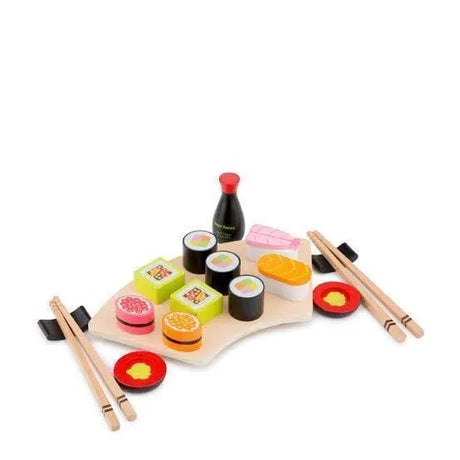
Kitchen play remains one of the most popular forms of pretend play, with children preparing meals, serving food and hosting imaginary cafés or restaurants. Playing shops is another favourite, allowing children to take on the roles of customers, shop owners and market stall operators. Caring play often involves dolls, soft toys, doctor kits and veterinary sets, giving children opportunities to explore nurturing roles and social interactions.

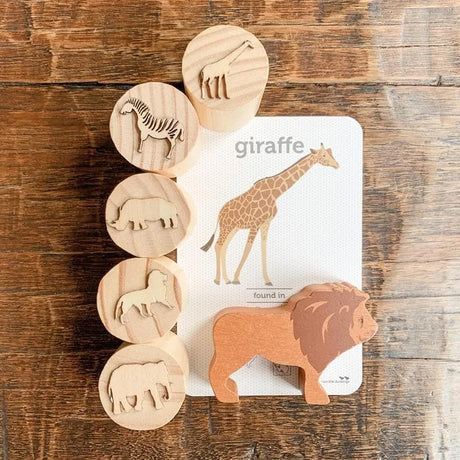
Many children are also drawn to vehicle and worksite play, creating construction projects, rescue missions or transport adventures using diggers, trucks, trains and emergency vehicles. Others prefer storytelling-based play using doll houses, animal figurines, fantasy characters and small world environments.

The specific activity matters less than the opportunity for imagination. The most engaging pretend play experiences are usually those that allow children to direct the story, explore their interests and create new adventures every time they play.

What Is The Difference Between Pretend Play And Small World Play?

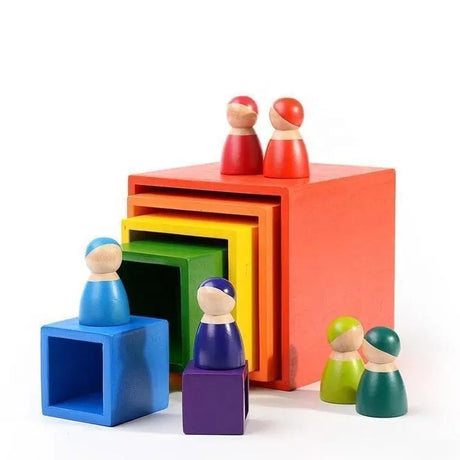
Small world play is actually a type of pretend play, but the two terms are often used differently. Pretend play is the broader category and includes everything from play kitchens and dress ups to doll play, vehicle adventures and imaginative storytelling. Small world play is a specific form of pretend play that uses miniature figures, animals, vehicles and environments to create stories on a smaller scale.

For example, a child pretending to run a café using a play kitchen is engaging in pretend play. A child using animal figurines, a farm set and natural loose parts to create an imaginary farm scene is engaging in small world play. Both involve imagination and storytelling, but the style of play is different.

Many children enjoy small world play because it allows them to build and control entire environments. They can create characters, invent adventures and revisit favourite stories while exploring ideas at their own pace. Small world setups can also evolve over time, becoming more detailed as children add new elements and expand their stories.

Because of their open-ended nature, small world resources often become some of the most versatile toys in a child's play space, supporting years of imaginative exploration.

Are Pretend Play Toys Educational?

While children simply see pretend play as fun, many of the experiences that occur during imaginative play support important areas of development. This is one reason pretend play continues to be recommended by educators, early childhood professionals and child development specialists.

When children engage in role play, they are constantly making decisions, solving problems and creating connections between ideas. A child running an imaginary café may practise sequencing, communication and social interaction. A child caring for a doll may explore empathy, routines and responsibility. A child building a rescue mission may use planning, storytelling and creative problem-solving skills.

Pretend play also encourages children to use language in meaningful ways. They create conversations, negotiate roles, explain ideas and build increasingly complex stories as they play. Because these interactions happen naturally, children often develop confidence and communication skills without feeling like they are completing a structured learning activity.

Perhaps most importantly, pretend play encourages creativity and independent thinking. Unlike activities with a fixed outcome, imaginative play allows children to make their own choices and direct the experience themselves. This freedom is often what makes pretend play such a powerful and engaging learning opportunity.

What are the different types of Pretend Play

Pretend play is a broad category that includes many different styles of imaginative play. While some children enjoy acting out everyday experiences, others are drawn to storytelling, fantasy worlds or role-based adventures. Understanding the different types of pretend play can help parents choose toys and activities that align with their child's interests.

Everyday role play often centres around familiar routines such as cooking, cleaning, shopping or helping around the home. Many children are naturally attracted to these activities because they mirror experiences they see adults doing every day. Other children enjoy caring play, where they look after dolls, soft toys, pets or imaginary patients using doctor kits and nurturing toys.

As children grow, many begin creating larger stories and adventures through small world play. Doll houses, animal figurines, vehicles and fantasy characters allow children to build entire worlds and invent their own narratives. Dress ups and dramatic play add another layer of creativity by allowing children to physically step into different roles and characters.

There is no single "best" type of pretend play. The most engaging play experiences are usually those that connect with a child's existing interests, allowing them to explore ideas and stories in a way that feels natural and enjoyable.

At What Age Does Pretend Play Begin?

Many children begin showing early signs of pretend play between 12 and 24 months of age, although every child develops at their own pace. Early pretend play often looks very simple. A toddler may pretend to drink from an empty cup, feed a soft toy or copy household activities they see adults doing every day.

As children move through their toddler and preschool years, their imaginative play often becomes more detailed and sophisticated. Around two to three years of age, many children begin acting out familiar routines such as cooking, shopping, cleaning or caring for dolls. By four and five years old, children are often creating more complex stories involving characters, adventures and imaginative worlds.

Parents sometimes worry when a child does not engage in pretend play exactly as expected. In reality, imaginative play can look very different from one child to another. Some children prefer realistic role play inspired by everyday life, while others enjoy fantasy themes, vehicles, animals or storytelling play.

The best approach is usually to follow a child's interests. Providing open-ended pretend play resources that connect with what they already enjoy often creates the most meaningful and engaging play experiences over time.

Why Is Pretend Play Important For Children?

Pretend play supports far more than entertainment. It provides children with opportunities to explore ideas, express emotions and practise skills that they will use throughout life. When children engage in imaginative play, they are constantly making decisions, solving problems and experimenting with different ways of thinking.

One of the most valuable aspects of pretend play is that it allows children to rehearse real-world experiences. A child pretending to run a café, care for a baby doll or help a sick teddy bear is often exploring situations they observe in everyday life. This process helps children develop confidence and understanding as they make sense of the world around them.

Pretend play also encourages communication and storytelling. Children often create characters, invent conversations and explain their ideas as they play. For many families, imaginative play becomes a natural way to support language development without children even realising they are learning.

Perhaps most importantly, pretend play gives children the freedom to be creative. Unlike activities with fixed outcomes, role play allows children to direct the experience themselves. This encourages independence, confidence and deeper engagement because children are following their own interests rather than simply following instructions.

What Is Pretend Play?

Pretend play supports far more than entertainment. It provides children with opportunities to explore ideas, express emotions and practise skills that they will use throughout life. When children engage in imaginative play, they are constantly making decisions, solving problems and experimenting with different ways of thinking.

One of the most valuable aspects of pretend play is that it allows children to rehearse real-world experiences. A child pretending to run a café, care for a baby doll or help a sick teddy bear is often exploring situations they observe in everyday life. This process helps children develop confidence and understanding as they make sense of the world around them.

Pretend play also encourages communication and storytelling. Children often create characters, invent conversations and explain their ideas as they play. For many families, imaginative play becomes a natural way to support language development without children even realising they are learning.

Perhaps most importantly, pretend play gives children the freedom to be creative. Unlike activities with fixed outcomes, role play allows children to direct the experience themselves. This encourages independence, confidence and deeper engagement because children are following their own interests rather than simply following instructions.