








Watch what they seek — or work hard to avoid
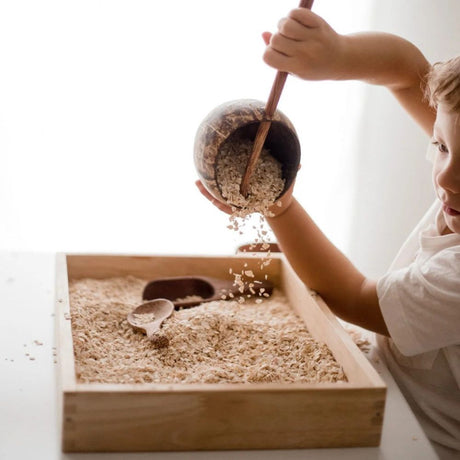
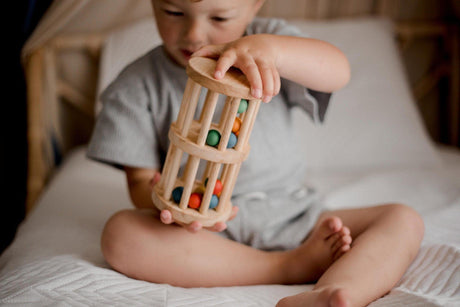
Children often show you the input that matters before they can explain it. They may lean, chew, spin, touch every surface, avoid glue, cover their ears, or object to a fabric that feels fine to everyone else.
These are observations, not labels. A child can seek one kind of input and avoid another, and that is not unusual. The useful question is not “what type of child are they?” It is “what input is showing up again and again?”
These are observations, not labels. A child can seek one kind of input and avoid another, and that is not unusual. The useful question is not “what type of child are they?” It is “what input is showing up again and again?”
