Click & Collect or 24hr Dispatch*

Understanding Play Kitchens

Play Kitchens That Let Them Copy You — Without Getting Underfoot


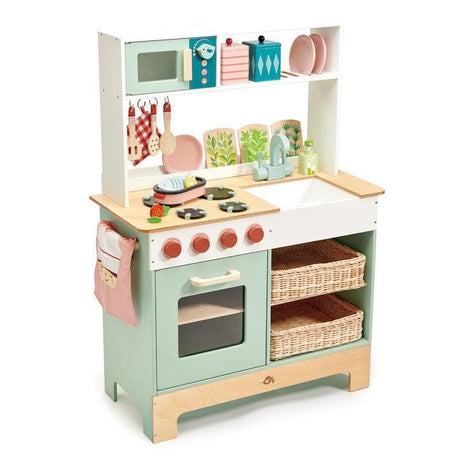
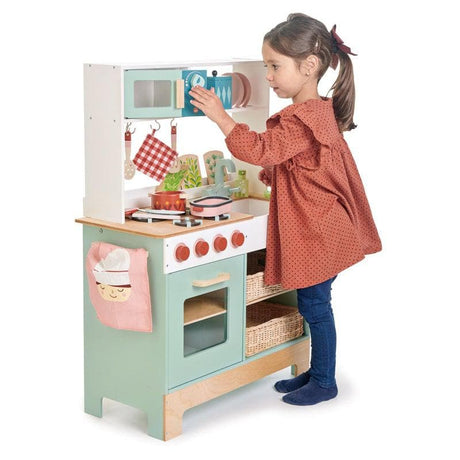
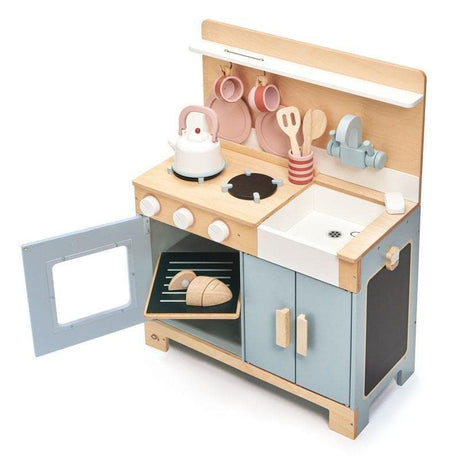
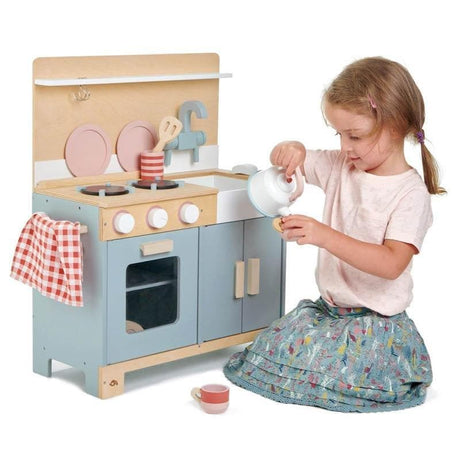
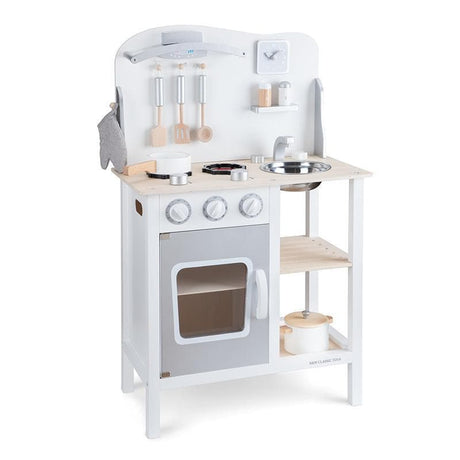
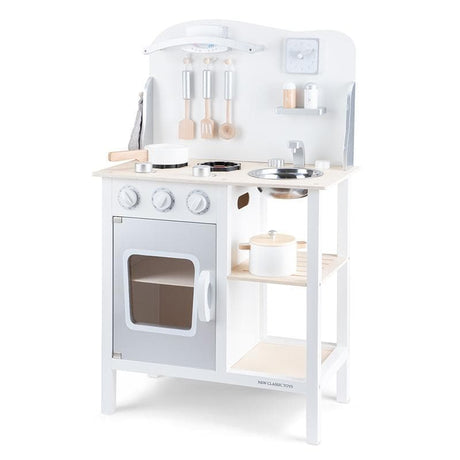
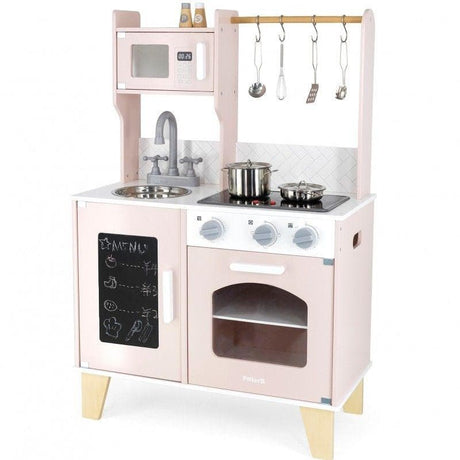
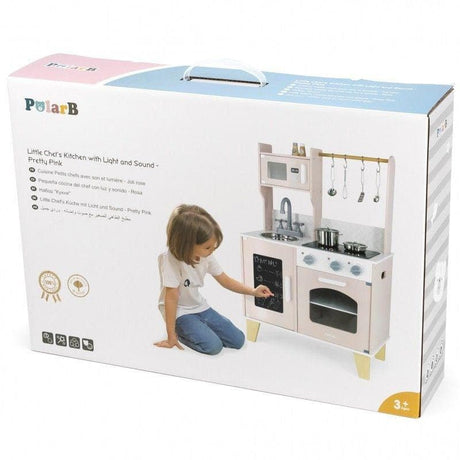
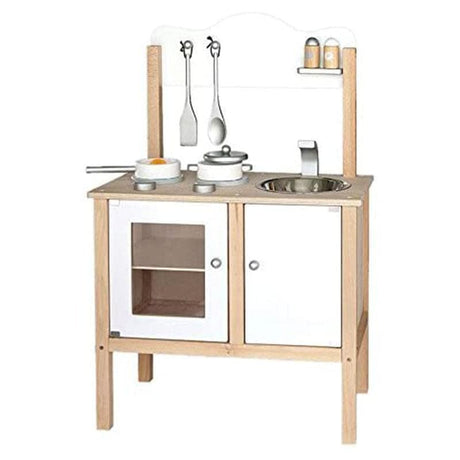
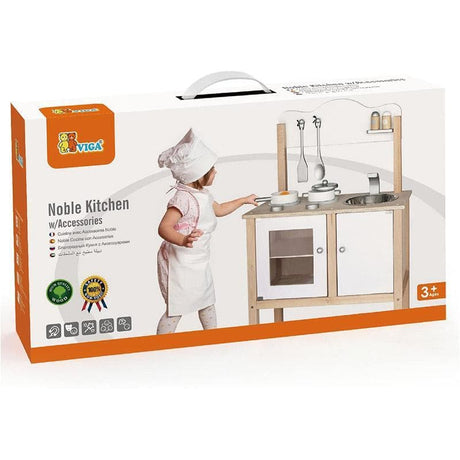
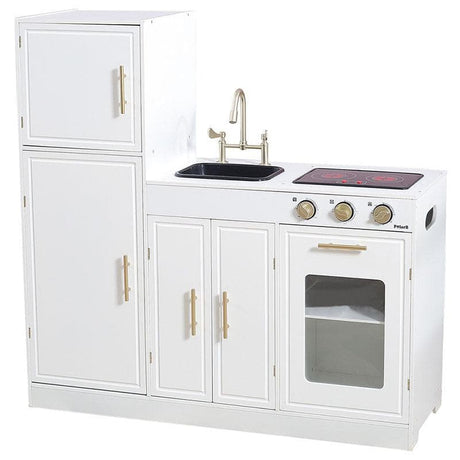
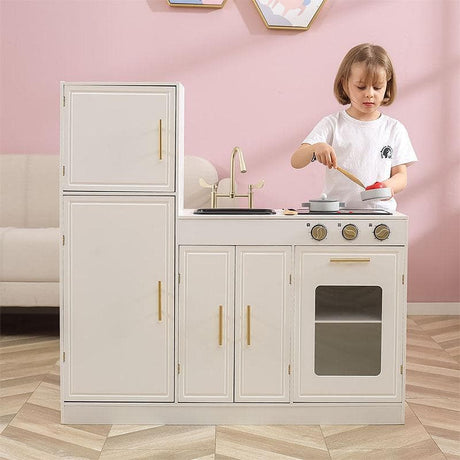
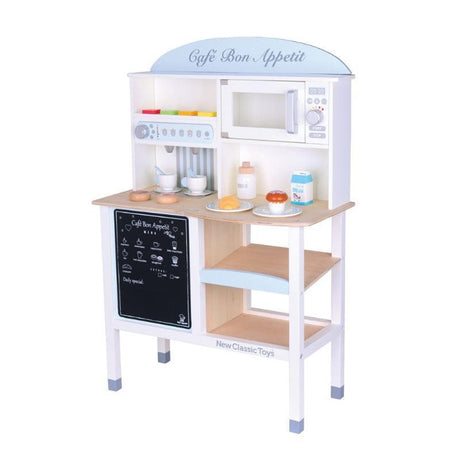
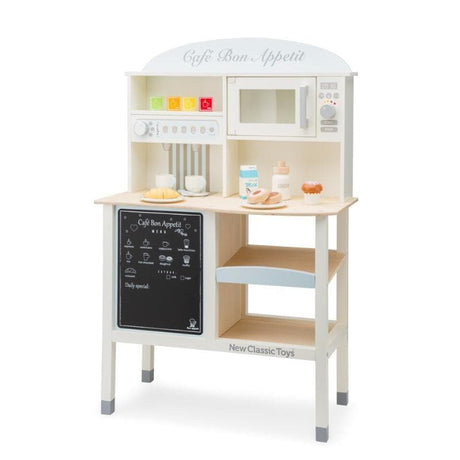
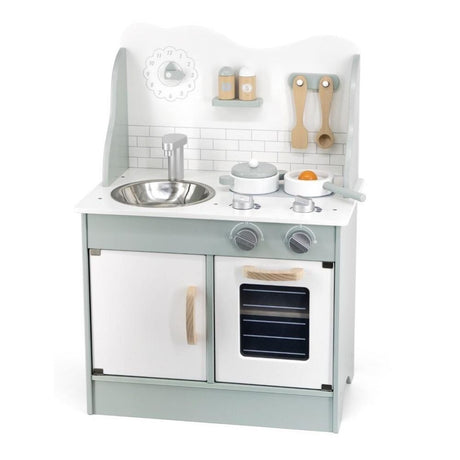
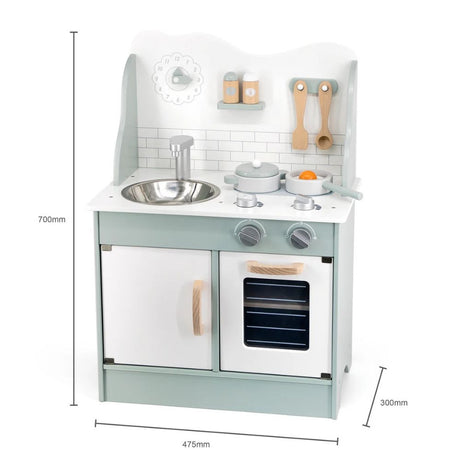
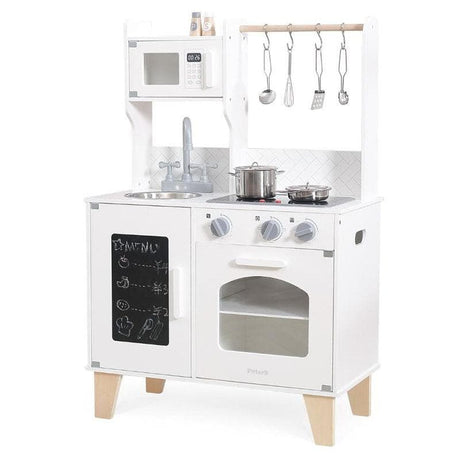
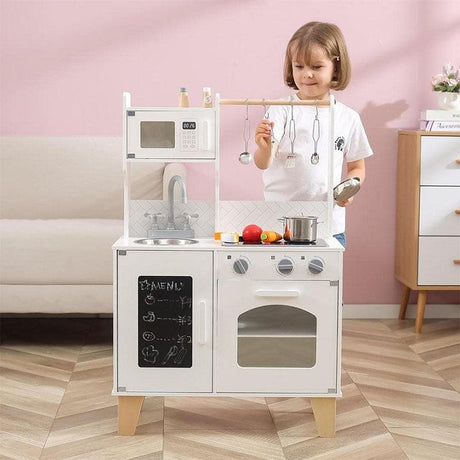
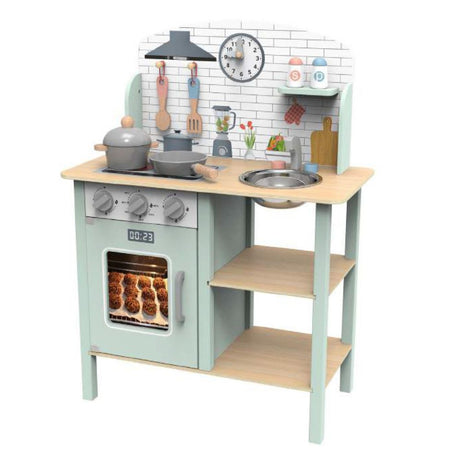
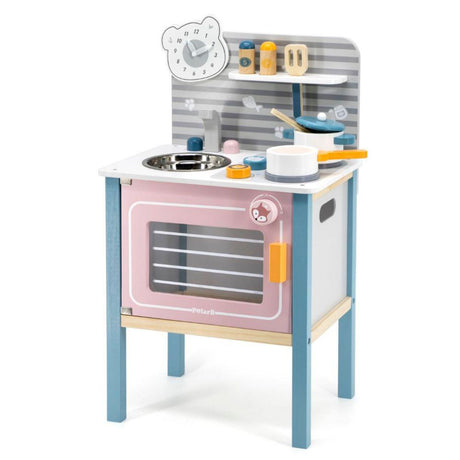
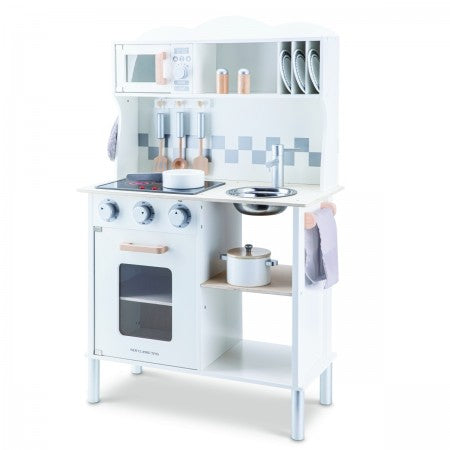
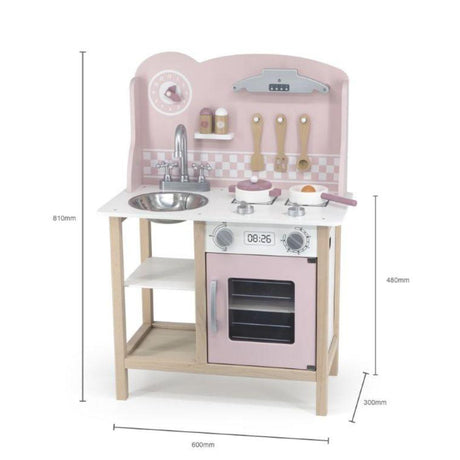
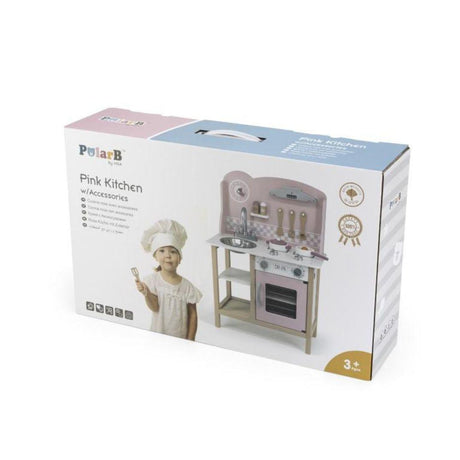
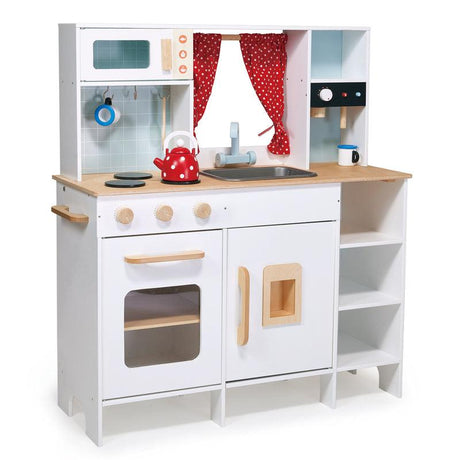
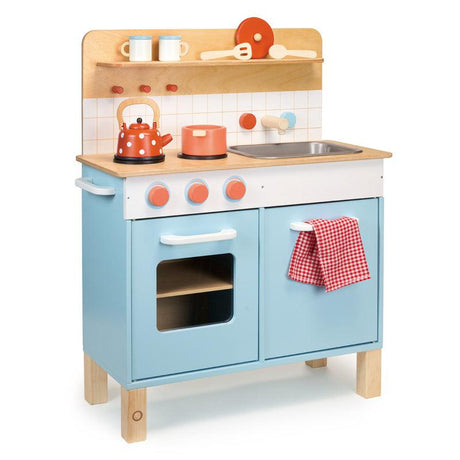
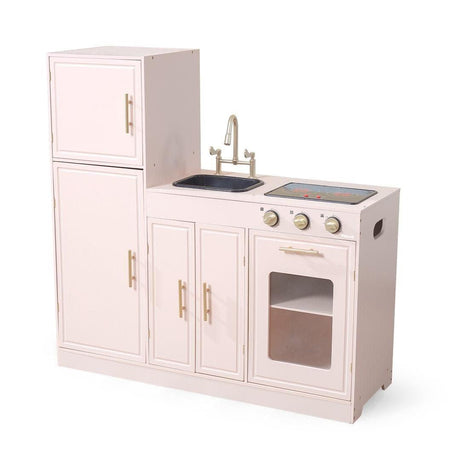
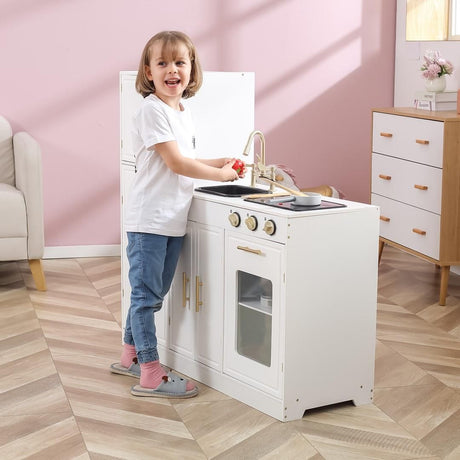
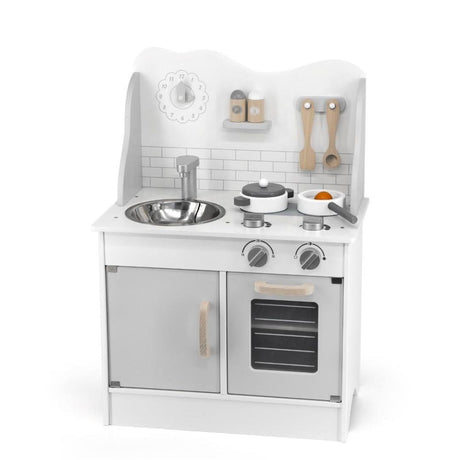
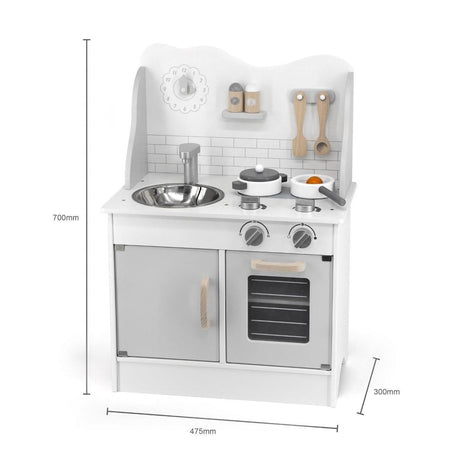
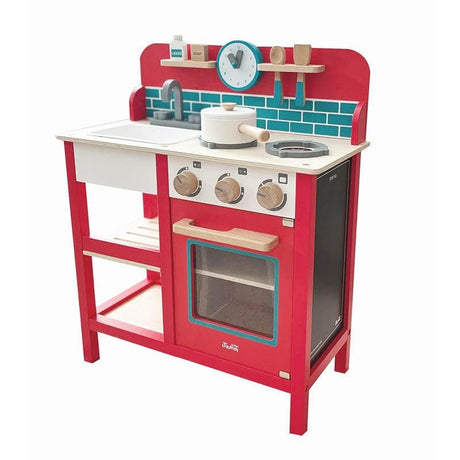
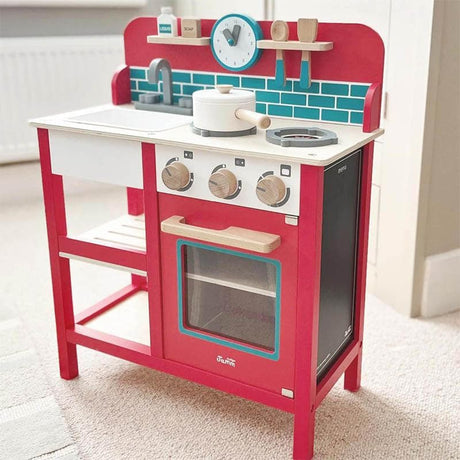
Discover play kitchens for toddlers and young children designed for imaginative cooking role play, everyday storytelling and immersive pretend kitchen play. From compact toddler kitchen sets to wooden play kitchens with realistic features, these pretend kitchens help children recreate familiar family routines through engaging imaginative play.


Best Toy Kitchens For Toddlers Beginning Pretend Cooking Role Play

Choosing A Play Kitchen Children Will Actually Use

Play kitchens are often some of the most-loved pretend play toys because they allow children to recreate familiar family routines through immersive imaginative play. Pretending to cook meals, prepare snacks and serve food allows toddlers to engage in role play that feels realistic, emotionally familiar and highly engaging.

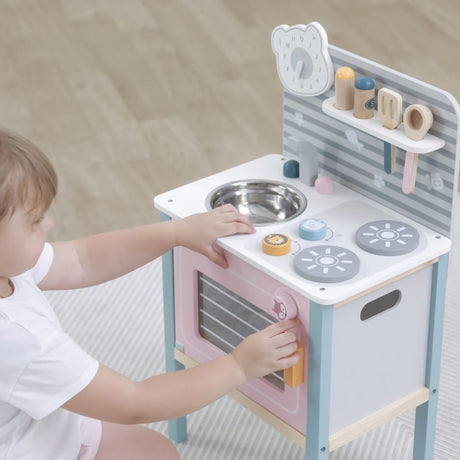
For younger children, compact wooden play kitchens and beginner-friendly toy kitchens are often easier to engage with independently than oversized or highly detailed setups. Toddler kitchen sets with simple layouts and realistic features can help children build imaginative confidence while encouraging longer storytelling routines and independent pretend play.

Whether your child loves helping in the kitchen, serving pretend meals or recreating everyday cooking routines, the right play kitchen can become part of meaningful imaginative play children genuinely return to every day.

Wooden Play Kitchens Pretend Cooking Play Toddler Kitchen Sets Imaginative Role Play

Supports Immersive Everyday Role Play


Play kitchens help children recreate familiar cooking and food preparation routines through imaginative role play. Pretending to cook meals, wash dishes and serve food allows toddlers to imitate real-life family experiences through meaningful storytelling play.

Encourages Longer Independent Play


Many children naturally stay engaged with pretend kitchen role play because the routines feel familiar and easy to repeat independently. Toy kitchens often encourage longer imaginative play sessions through repetitive cooking, serving and pretend meal preparation routines.

Builds Confidence Through Familiar Routines

Pretend kitchens help children feel involved in everyday family routines through imaginative play. Recreating familiar cooking experiences through role play supports confidence-building storytelling and emotionally engaging independent play.

Quick Buying Guide

Which Play Kitchen Should You Choose?

The best play kitchen usually depends on your child’s age, confidence with pretend play and how naturally they engage with imaginative cooking and storytelling routines.

Choose Simpler Play Kitchens If Your Child:

  • Is under 3 years old Is beginning pretend play Gets overwhelmed easily Prefers simple imaginative routines Loves copying everyday cooking tasks

Choose More Realistic Kitchens If Your Child:

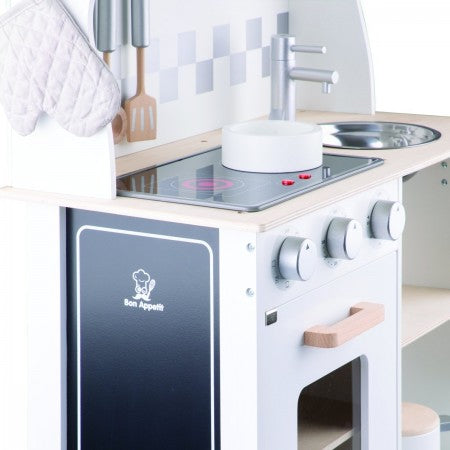
  • Already enjoys role play Loves imaginative cooking play Wants more realistic kitchen features Plays independently for longer periods Enjoys immersive storytelling setups
A well-chosen play kitchen often becomes part of everyday imaginative play because children naturally enjoy recreating familiar family cooking routines through pretend role play.

Why Families Choose My Happy Helpers Play Kitchens

Toddler-friendly play kitchens designed for immersive imaginative role play

Durable pretend kitchens suited to everyday independent play
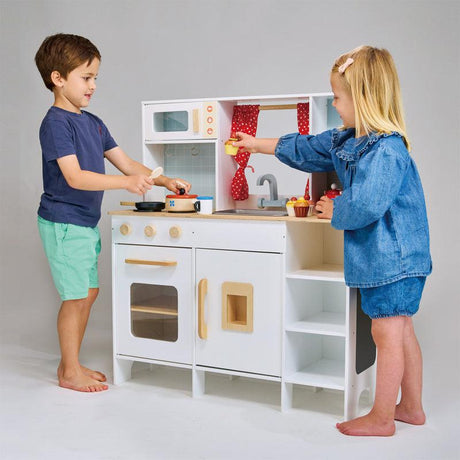
Carefully selected designs that support calm storytelling and imaginative routines

What To Look For In A Play Kitchen


When choosing a play kitchen for toddlers, focus on size, simplicity and age-appropriate features. Toddler kitchen sets should feel approachable, durable and easy to use independently while supporting imaginative cooking role play without becoming overly cluttered or overwhelming.
When A Play Kitchen May Feel Too Advanced

Highly detailed toy kitchens with too many accessories or complicated interactive features can sometimes overwhelm younger toddlers who are still building confidence with imaginative role play. Simpler play kitchens often create more successful and engaging pretend cooking experiences for younger children.

Play Kitchens Designed For Meaningful Everyday Play
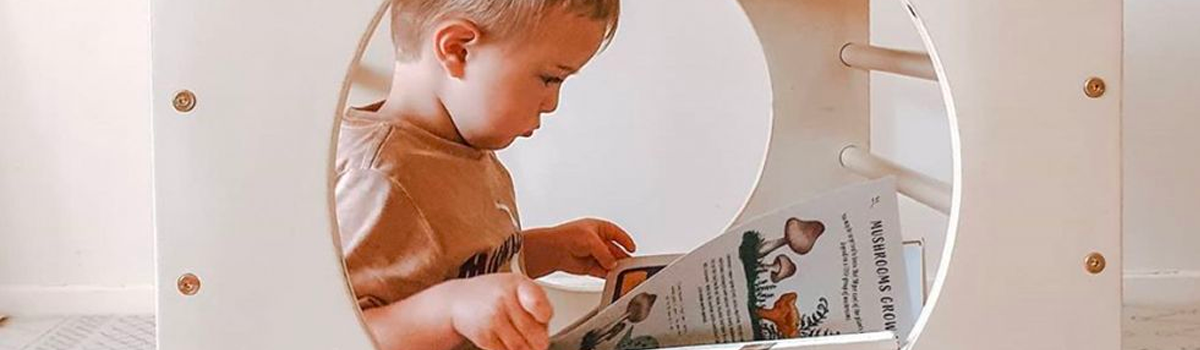

The best play kitchens help children recreate familiar cooking and family routines through imaginative role play that feels practical, engaging and emotionally familiar. Whether your child loves pretending to cook meals, serve food or recreate everyday kitchen routines, our play kitchens are designed to support immersive imaginative play for toddlers and young children.

Frequently asked questions
Are wooden play kitchens better than plastic ones?


Wooden play kitchens are often preferred for their durability, calmer visual design and long-term imaginative play appeal. Many families choose wooden toy kitchens because they feel less overstimulating while still supporting immersive pretend cooking role play.

Can play kitchens encourage independent play?

Play kitchens often encourage independent imaginative play because children can confidently recreate familiar cooking and family routines on their own. Many toddlers naturally return to pretend kitchen play throughout the day because the routines feel emotionally familiar and easy to repeat.

What is the difference between a play kitchen and kitchen accessories toys?


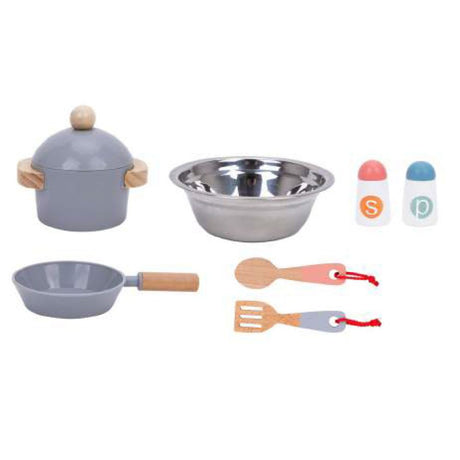
A play kitchen is the main pretend kitchen setup itself, designed for immersive cooking role play and storytelling. Kitchen accessories toys are supporting pretend play items such as pots, pans and utensils that expand imaginative kitchen routines alongside the play kitchen.

Is a play kitchen better than a learning tower?

They serve different roles. A play kitchen supports independent, parallel play while you’re cooking. A learning tower allows direct participation in real tasks. Many families find the best balance is having both — one for independence, one for real involvement.

Are play kitchens good for 2 year olds?


Play kitchens can be excellent pretend play toys for 2 year olds because they encourage imaginative storytelling through familiar cooking and family routines. Many toddlers naturally enjoy pretending to cook meals, prepare snacks and copy everyday kitchen activities through role play.


Will my child actually use a play kitchen long-term?

That depends less on the kitchen itself and more on how it’s set up. Kitchens that mirror real-life routines — with food, tools and familiar actions — tend to be used repeatedly. Simple, realistic setups usually outperform highly complex ones.

What age is a play kitchen actually suitable for?


Many play kitchens are suitable from around 2 years onwards, depending on the size and complexity of the features included. Simpler toddler kitchen sets with beginner-friendly layouts are often best for younger children beginning imaginative kitchen role play.