Click & Collect or 24hr Dispatch*

Further 15% Off Clearance

CLEARANCE15
CHOOSING THE RIGHT FLOOR PUZZLE

Floor Puzzles That Keep Kids Engaged — Not Overwhelmed

The right floor puzzle should feel big and exciting — but still achievable. When the piece count, size, and image are matched to your child’s ability, they stay focused, complete the puzzle, and come back to it again.


MAKING BIG PUZZLES FEEL ACHIEVABLE

The Right Puzzle Keeps Them Coming Back

When a floor puzzle matches your child’s ability, it doesn’t feel overwhelming — it feels achievable. They stay engaged, complete the puzzle, and come back to it again. That’s where focus builds, confidence grows, and the challenge becomes something they enjoy.

Big enough to feel exciting

Floor puzzles create a sense of scale that keeps children engaged. The larger format makes it easier to see progress and stay interested from start to finish.

Designed for visible progress

Clear images and larger pieces help children understand where pieces belong, making the puzzle feel achievable rather than overwhelming.

Encourages persistence


When a puzzle can be completed, children are more likely to try again. That repetition builds focus and confidence over time.

Not Sure Which Floor Puzzle to Choose?

The best floor puzzle depends on how many pieces your child can manage at once. Starting at the right level keeps them engaged and helps them complete the puzzle successfully.

If your child is just starting

  • Choose puzzles with fewer pieces (12–24) Look for simple, clear images Focus on completing the puzzle together Keep the experience short and positive

If your child is ready for more

  • Choose puzzles with more pieces (30+) Look for more detailed images Encourage independent completion Extend play time gradually
Starting at the right level makes the puzzle feel achievable — and that’s what keeps children coming back.

Large pieces that are easy to handle

Durable construction for repeated use

Clear images that guide placement

Appropriate piece counts for each stage

Designed for independent or shared play

Shop with more confidence
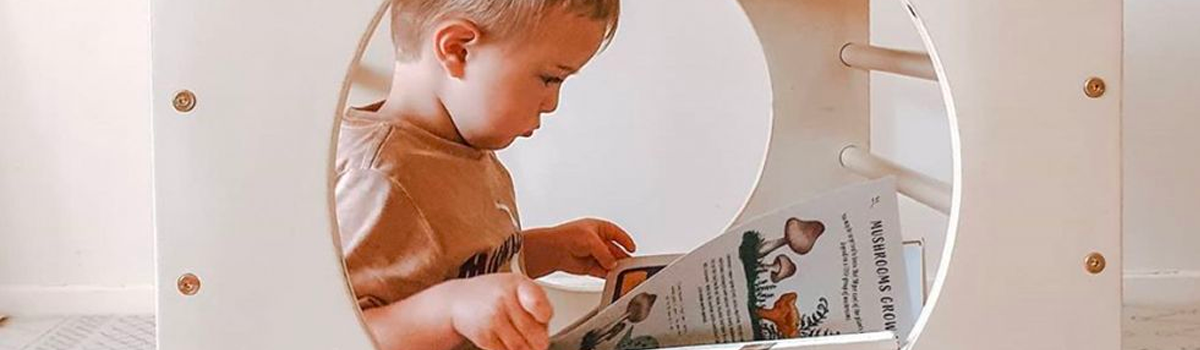
Choosing the right floor puzzle doesn’t need to feel overwhelming. When you match the size and piece count to your child’s ability, they stay engaged, complete the challenge, and build confidence through play.

Frequently asked questions

Floor Puzzle Questions Parents Ask

How do I choose the right floor puzzle?

Start with fewer pieces and simple images. If your child completes it easily, move to puzzles with more pieces and detail.

Are floor puzzles worth it?

Yes — they combine physical movement with problem solving, making them more engaging than smaller puzzles for many children.

Do floor puzzles help children stay focused?

Yes — when the puzzle feels achievable, children stay engaged and are more likely to complete it and try again.

What’s the difference between floor puzzles and regular puzzles?

Floor puzzles are larger in size, with bigger pieces designed for use on the floor, making them easier for young children to handle.

Are floor puzzles too hard for toddlers?

Not when the piece count and design match their ability. Starting simple helps them succeed and stay engaged.

How many pieces should a toddler floor puzzle have?

For beginners, 12–24 pieces is a good starting point. As confidence builds, children can move to puzzles with 30 or more pieces.

What age are floor puzzles suitable for?

Most floor puzzles are suitable from around 2 years old, starting with fewer pieces and simple images. As children grow, they can handle larger puzzles with more pieces.