Click & Collect or 24hr Dispatch*

Further 15% Off Clearance

CLEARANCE15
Kids Climbing Frames

Climbing Frames for Bigger Movement and More Structured Play

When smaller climbing setups aren’t enough, a climbing frame gives children more space to move, climb, and challenge themselves.

The right frame creates longer play, more variety, and a setup that grows with your child.


Using an Indoor Climbing Frame at Home

Why Climbing Frames Become the Next Step

Climbing frames are often the next step when smaller setups no longer hold attention. They introduce more space, more movement, and more challenge — without needing constant changes or upgrades.

For children who are already confident climbers, a frame allows them to move more freely, explore different pathways, and stay engaged for longer periods of play.

More movement pathways Supports confident climbers Longer play engagement Structured climbing space

Smaller Setups Reach Their Limit

As children become more confident, they outgrow simple climbing setups. A frame introduces height, structure, and new movement patterns.

More Space Means More Play

Climbing frames allow children to move across, up, and around — creating longer, more engaging play sessions.

Built for Ongoing Use

Frames are designed to handle repeated use over time, supporting children as their confidence and ability increases.

Using an Indoor Climbing Frame at Home

An indoor climbing frame gives children a structured way to move throughout the day. With enough space around it, they can climb, move across, and explore different pathways safely within a familiar environment.

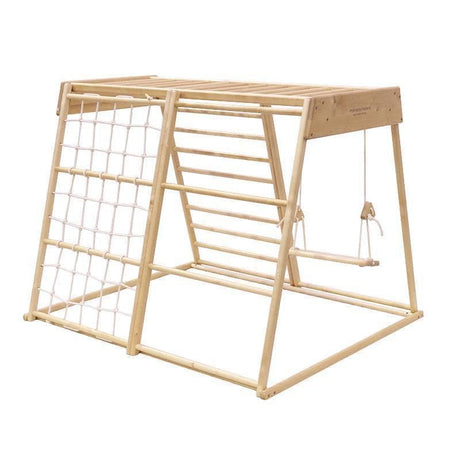
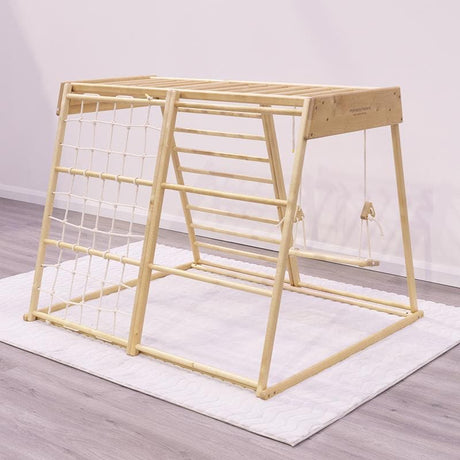
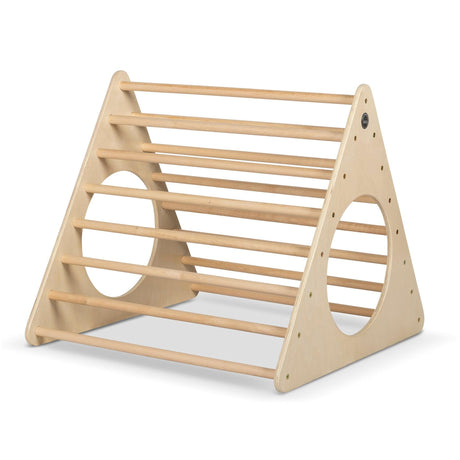
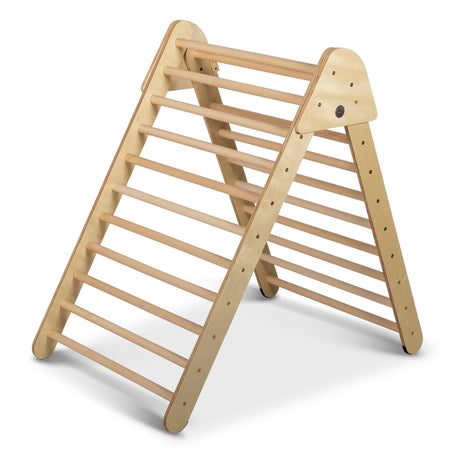
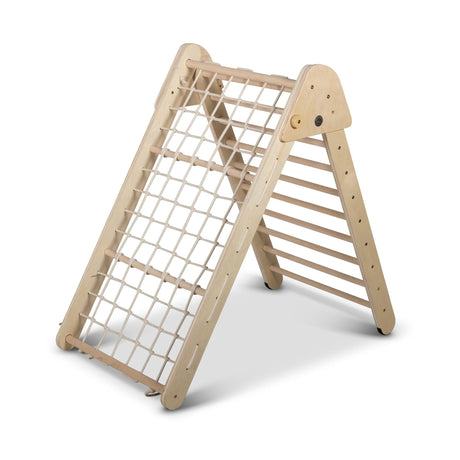
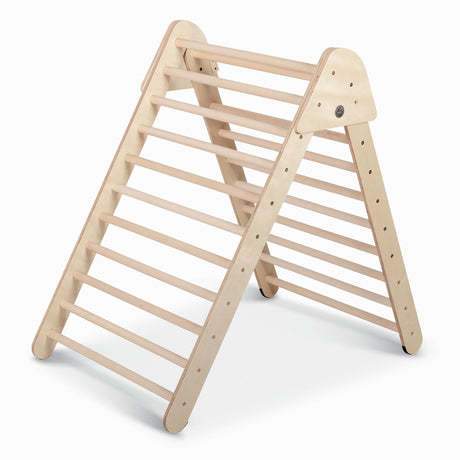
Pikler - Ramp - Pikler Packages - Unvarnished

When Toddlers Start Climbing Everything

When children begin climbing couches, tables, and benches, it usually means they are ready for more structured movement. A climbing frame gives them a safer, purpose-built space to climb without relying on household furniture.


Start Here

Not Sure Which Frame to Choose?

The right climbing frame depends on how confident your child is and how much space you have.

Moving Beyond Smaller Setups

  • Choose a compact frame Focus on stability and simplicity Leave room for confidence to build

Already Climbing Confidently

  • Choose multi-level structures Look for more climbing pathways Consider height and movement variety
If you’re unsure, start with a mid-size frame — it gives enough challenge without overwhelming your space.

Designed for Safe, Everyday Climbing

Stable, grounded frame construction

Designed for indoor environments

Durable materials for repeated climbing

Clear structure that supports confident movement

When a Climbing Frame May Be Too Much

If your child is just starting to climb or prefers lower, simpler setups, a climbing frame may feel overwhelming. A smaller climbing structure is often a better place to begin.

When They Need More Than a Basic Setup
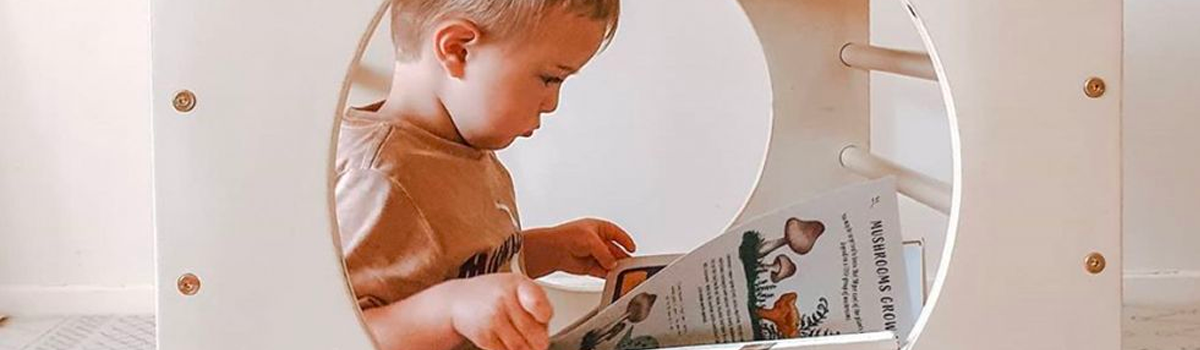
A climbing frame is often the next step when smaller equipment no longer holds attention.

It provides the space, structure, and challenge needed to keep climbing engaging — without needing constant upgrades.

Frequently asked questions
Is a wooden climbing frame better?

Wooden frames offer durability, stability, and a consistent climbing surface.

Are wooden climbing frames durable?

Yes, high-quality wooden frames are designed to withstand repeated daily use.

Is a climbing frame better than a full climbing set?

A frame offers more structure and scale. A set offers flexibility and modular play. The right choice depends on your space and preference.

How much space do I need for a climbing frame?

Allow enough room for movement around the frame, as well as safe entry and exit from all sides.

Will my child actually use a climbing frame?

Children who already enjoy climbing typically engage with frames quickly due to the increased variety and space.

Are climbing frames safe for indoor use?

Yes, when designed for indoor environments with stable construction and appropriate proportions.

What’s the difference between a climbing frame and a Pikler triangle?

A climbing frame is larger and more structured, offering multiple pathways and more space for movement. Triangles are smaller and simpler.

What age is a kids climbing frame suitable for?

Most climbing frames are suitable from around 18 months, depending on your child’s confidence and ability.