For broader sensory options
Sensory toys
Explore the full sensory range for a wider mix of tactile, visual, movement-based and open-ended sensory play options.
Shop sensory toys24HR DISPATCH*

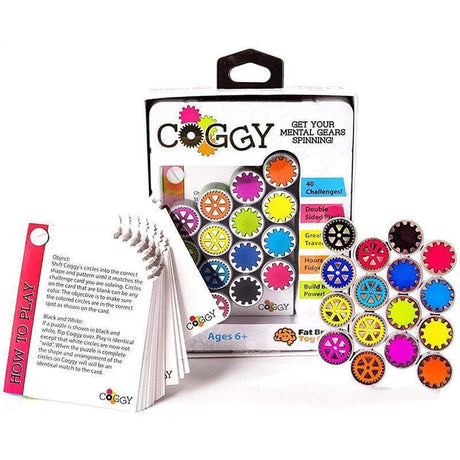
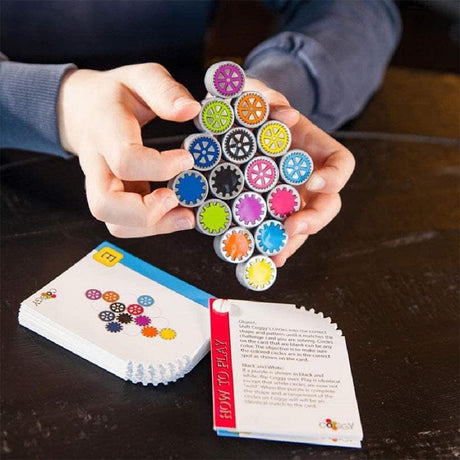
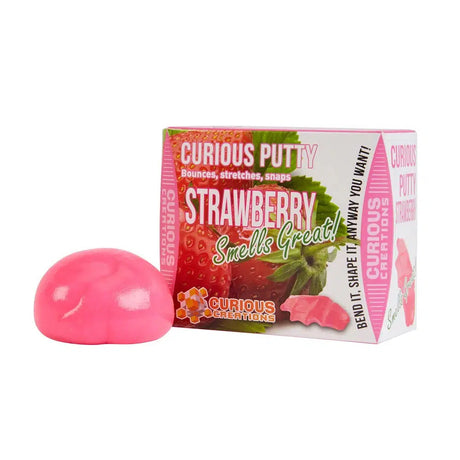
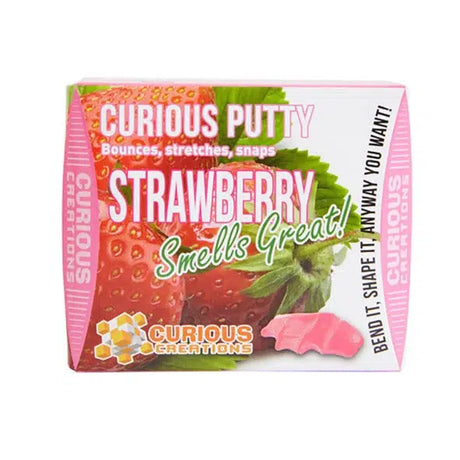
Curious Creations - Strawberry Scented Putty
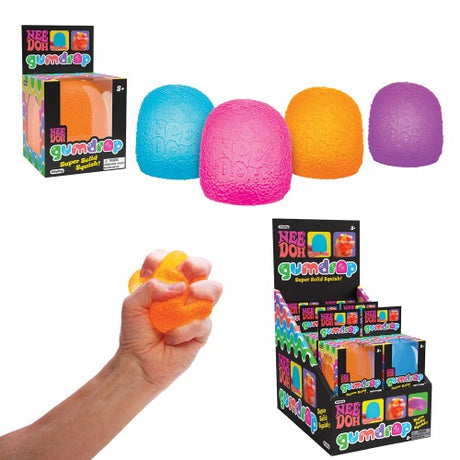
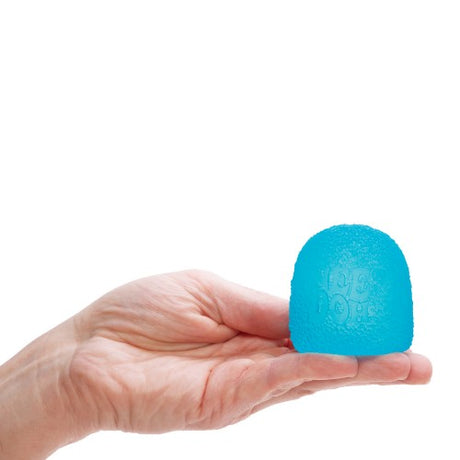
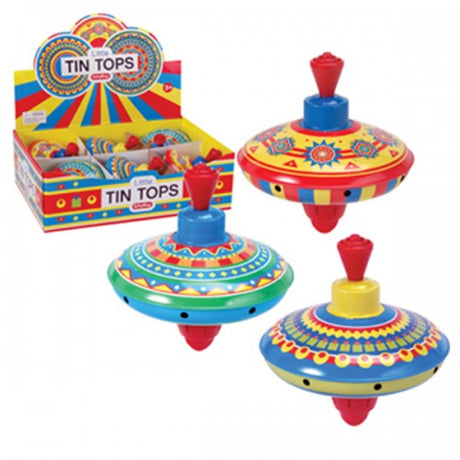
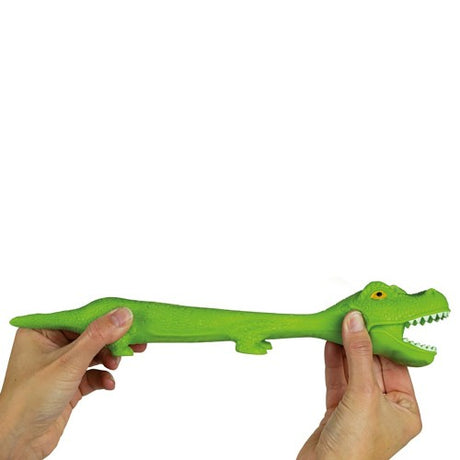
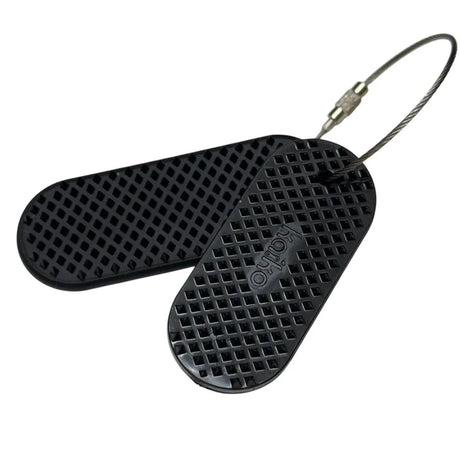
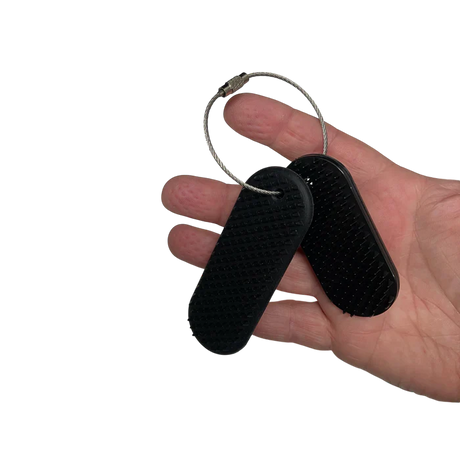
Spikeyring with Dual Pads by Kaiko - Ouch without Harm & Picking Support
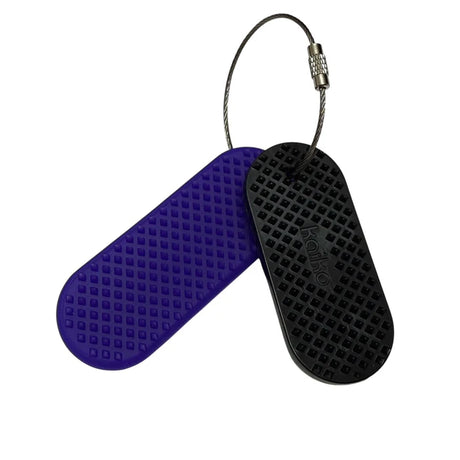

Spikeyring with Dual Pads - Purple & Black

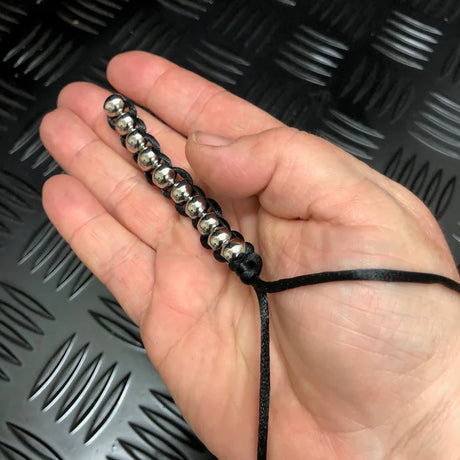


HAND Caterpillar Fidget - Rainbow Cord


Flappy the Squishy Duck Waddle
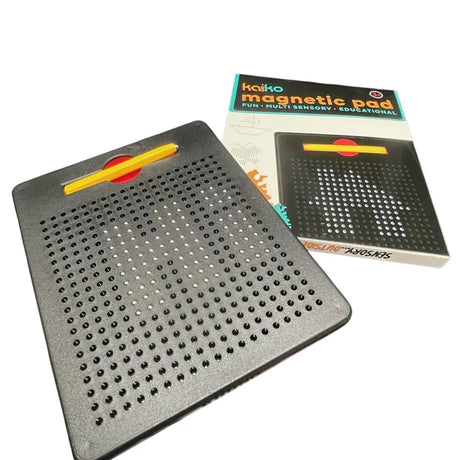
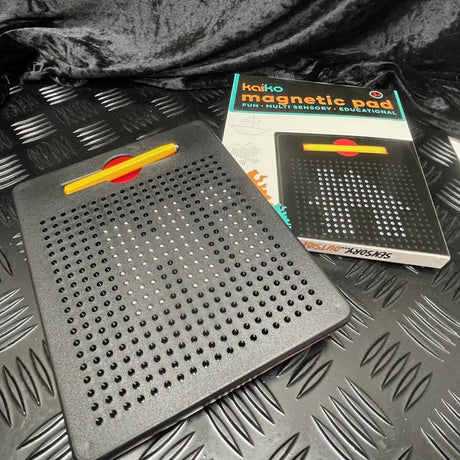
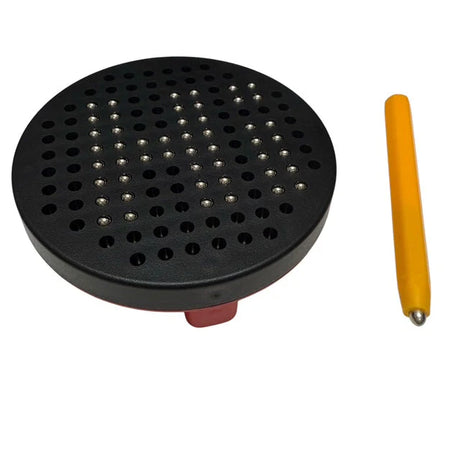
Handheld sensory fidget toys designed for focus, tactile input and everyday movement — with practical, portable options that support quiet engagement at home, school, therapy or on the go.

Sensory fidget toys can be a practical way to support movement, tactile input and quiet engagement throughout the day. Their value often comes from being easy to reach for, easy to hold and easy to use in real everyday moments.
This collection brings together sensory fidget toys designed for hands-on repetition, movement and focus. Whether you are looking for classroom-friendly options, tools for travel, or everyday sensory support at home, these fidget toys are selected to feel useful, engaging and easy to integrate into daily life.
For a broader range, browse our Sensory Toys collection. If your focus is on lower-overwhelm play more broadly, explore our guide to sensory toys for calm play.
Looking for more than handheld fidget toys? Start with our full Sensory Toys collection, or browse calming sensory play ideas if you are building a more intentional, lower-overwhelm play setup.
Sensory fidget toys can support different kinds of engagement, from tactile input and quiet movement to calmer focus tools and adjacent sensory collections.
Explore the full sensory range for a wider mix of tactile, visual, movement-based and open-ended sensory play options.
Shop sensory toysA strong next step if you are looking for sensory toys that support calmer play, focus and more settled engagement.
Shop calming sensory toysDiscover sensory toys chosen for autistic children, with a focus on tactile exploration, calmer engagement and thoughtful play.
Shop sensory toys for autismRead our practical guide to sensory toys that feel engaging without becoming too visually or sensorially busy.
Read the blog
A good sensory fidget toy is often one that feels intuitive to use. It does not need lengthy setup or a perfect environment. It simply offers a practical way to keep hands busy, support tactile input or create a repeated movement pattern that feels satisfying and manageable.
For many children, the best sensory fidget toys are the ones that are easy to reach for in everyday moments — at a desk, in the car, during transitions, or when quieter sensory support is helpful.
The right sensory fidget toy depends on how the child uses movement and tactile input, as well as where the toy needs to work in daily life.
Start with simple, intuitive options that feel easy to hold and easy to repeat. Often, the most successful fidget toys are the ones that do not require too much explanation.
Portability can make a big difference. Many children benefit most from sensory fidget toys that are easy to carry, easy to reach for and simple to use during transitions or seated activities.

Sensory fidget toys are often at their best when they feel simple, practical and easy to bring into real life — not just the playroom, but the everyday spaces where children need support most.
These internal links help connect handheld focus tools with broader sensory shopping paths and supporting content.
Explore lower-overwhelm sensory toys chosen for calmer play, focus and more settled engagement.
Shop calming sensory toysDiscover autism-friendly sensory toys chosen for calmer sensory exploration and open-ended play.
Shop sensory toys for autismRead our guide to choosing sensory toys that feel supportive without becoming overwhelming.
Read the blogClear answers to common questions about sensory fidget toys, focus tools and handheld sensory support.