Early confidence builders
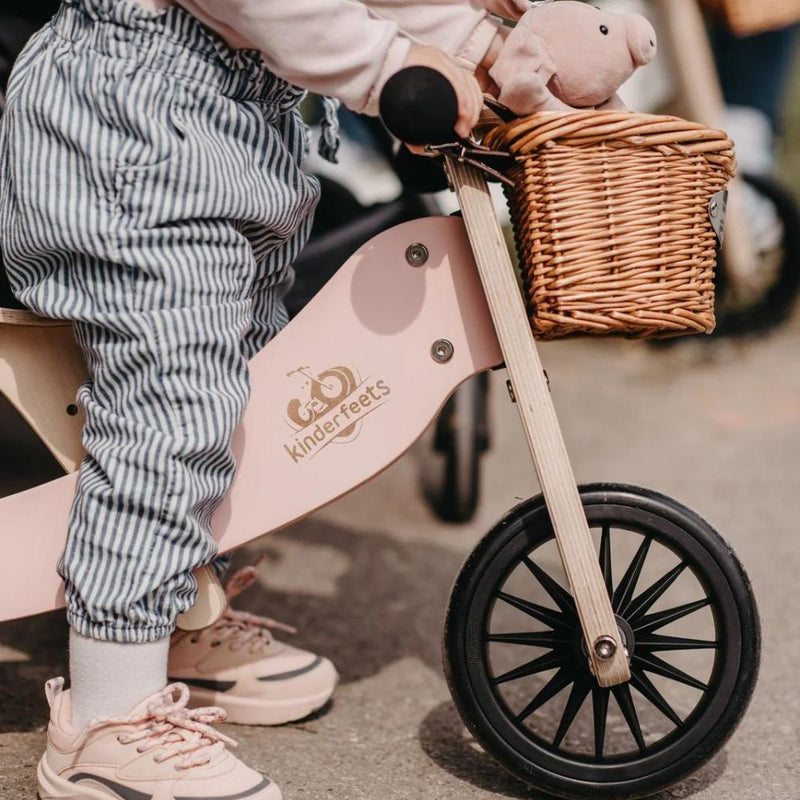
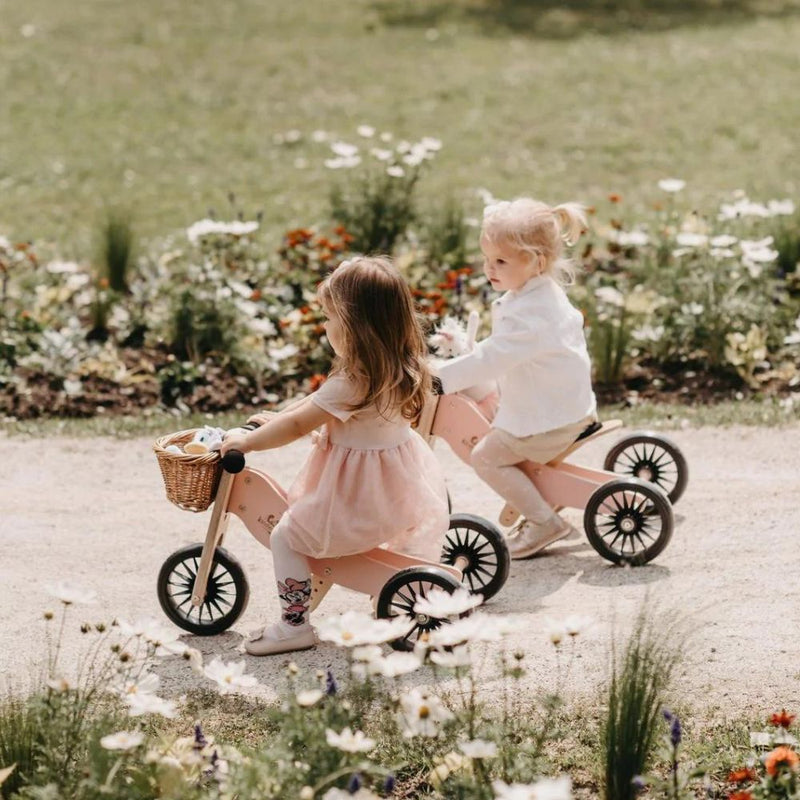
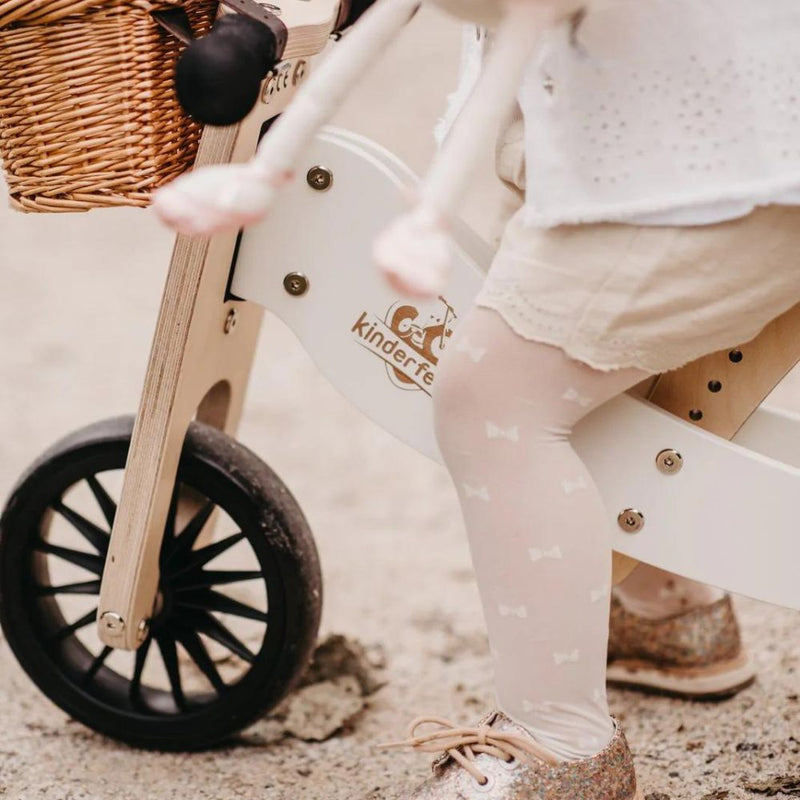
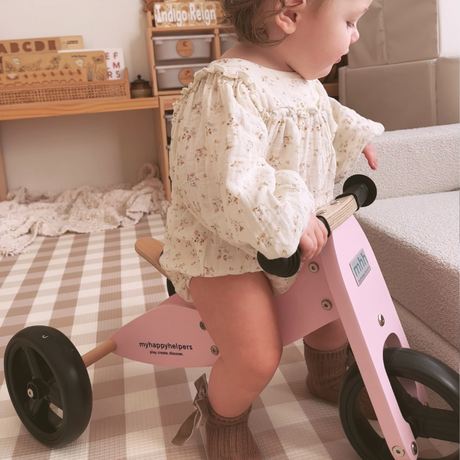
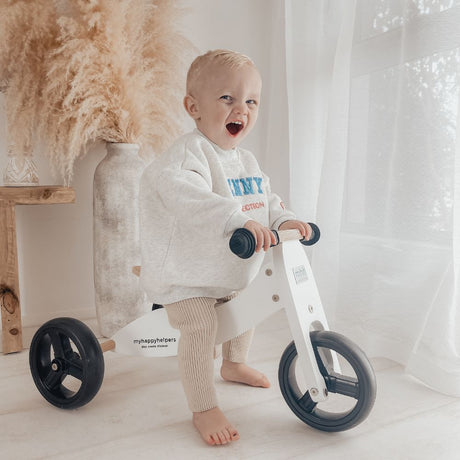
Ideal for little ones who are just starting to explore riding. At this stage, a low seat height and lightweight feel matter most.
24HR DISPATCH*
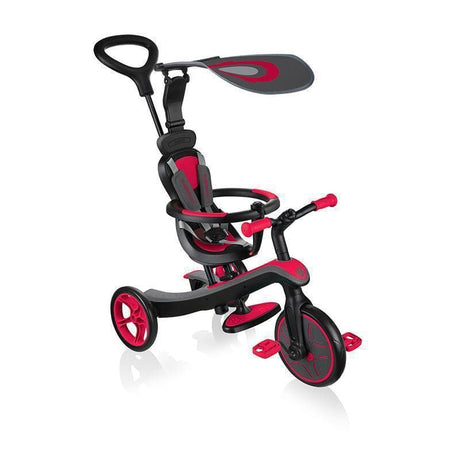
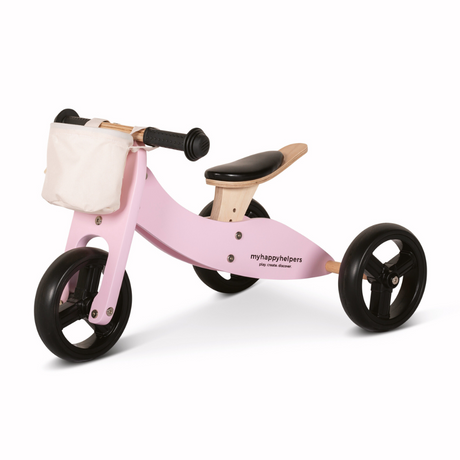
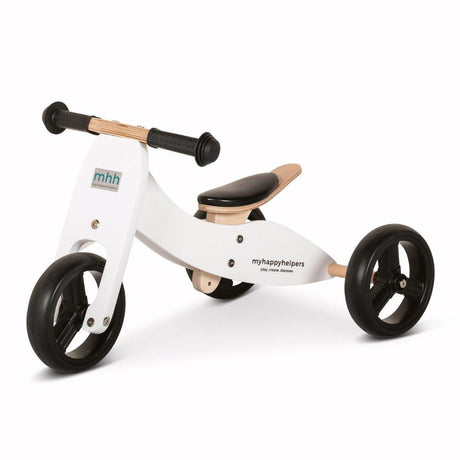
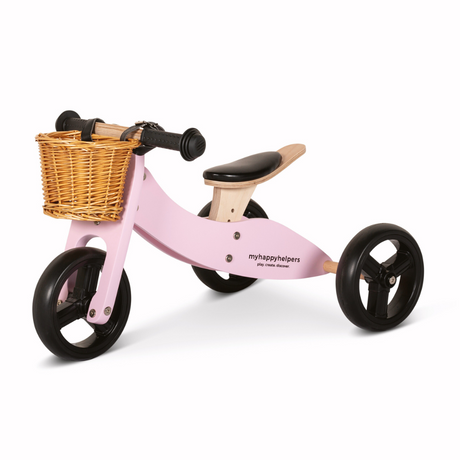
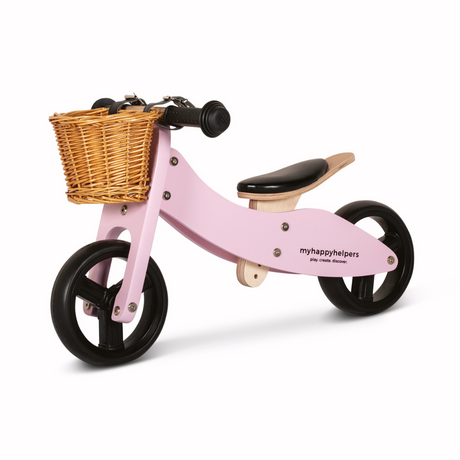
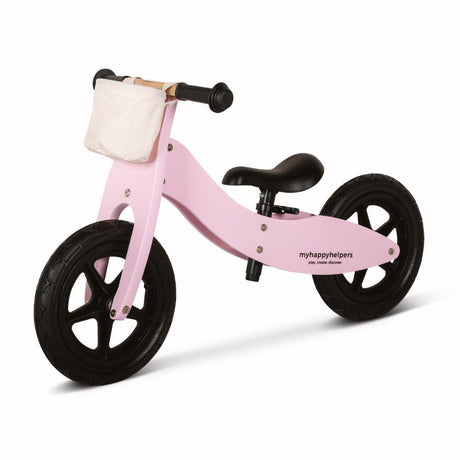
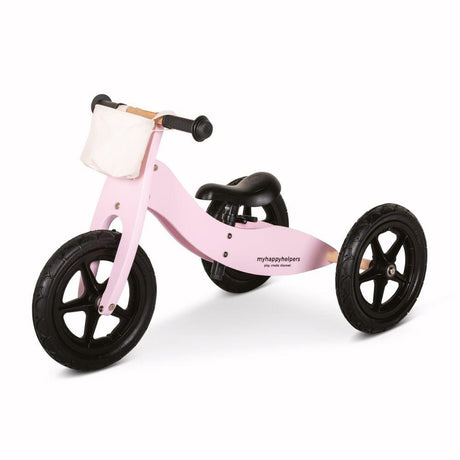
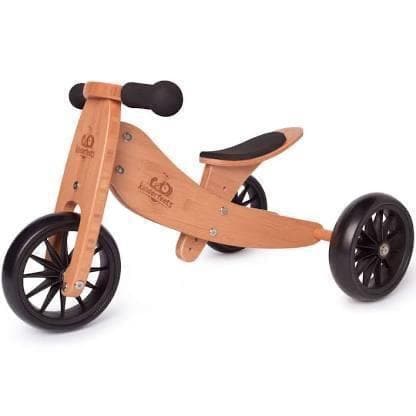
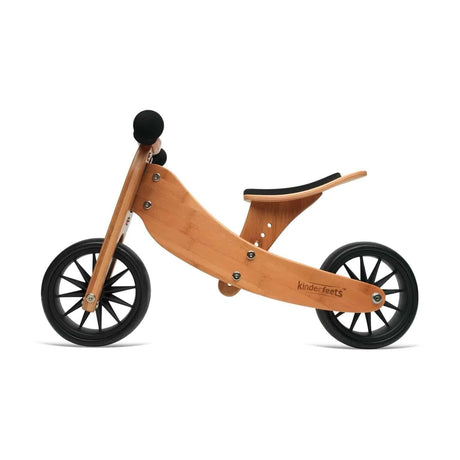
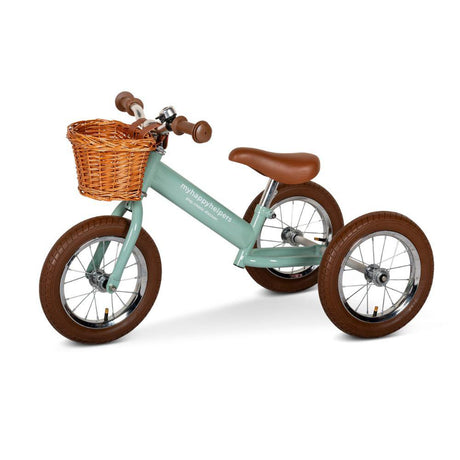
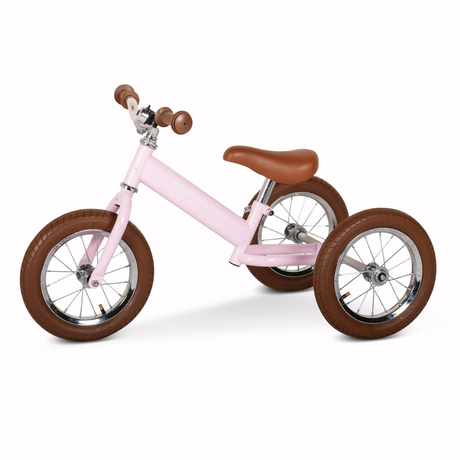
2 in 1 Mini Trike / Balance Bike - Rose
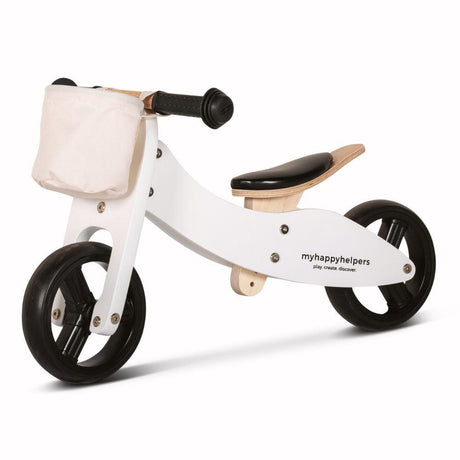
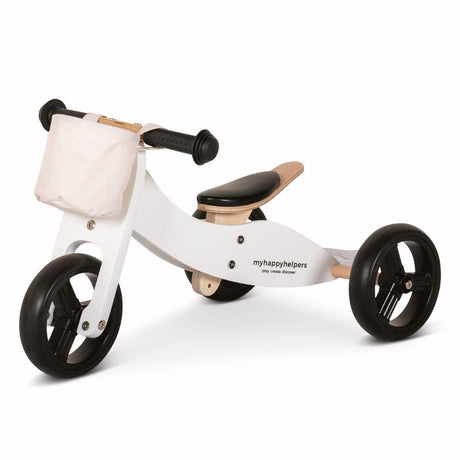
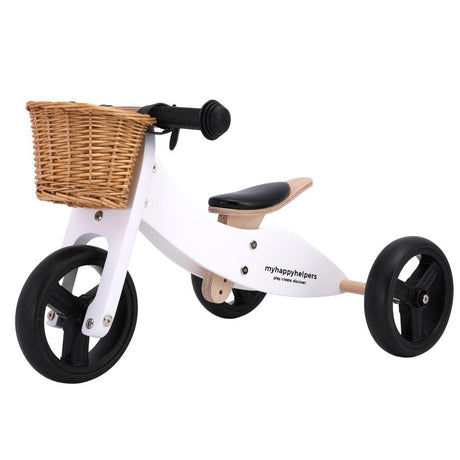
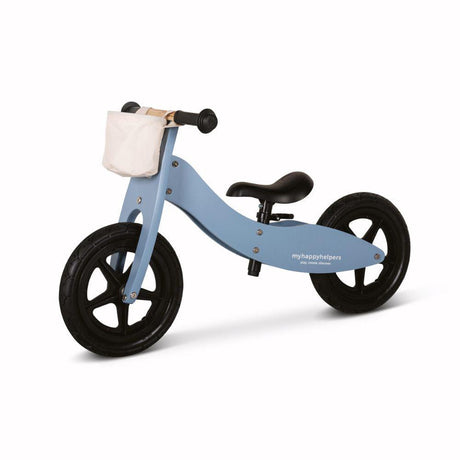
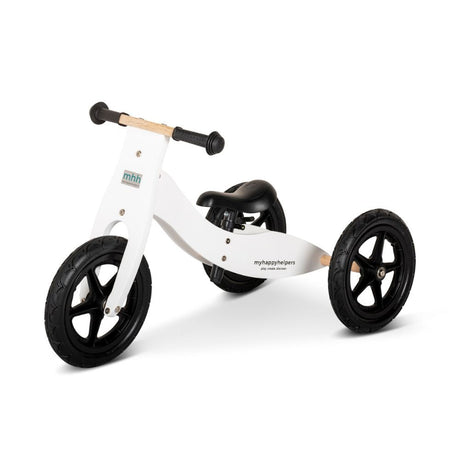
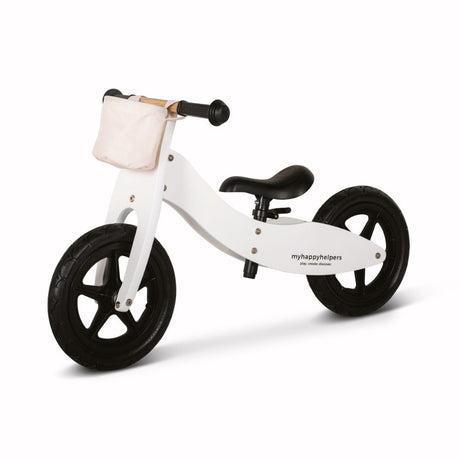
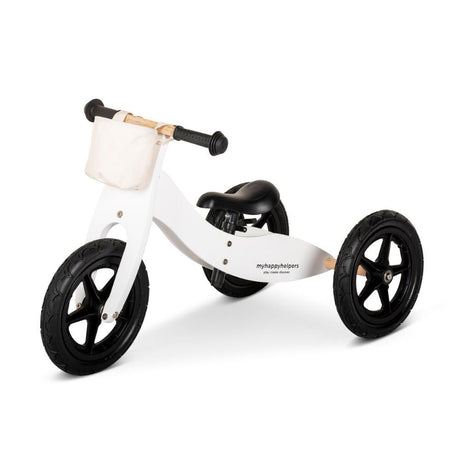
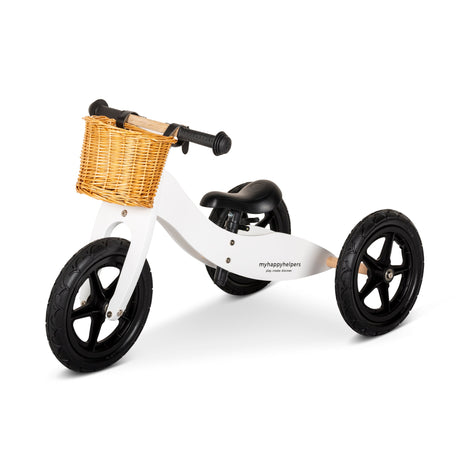
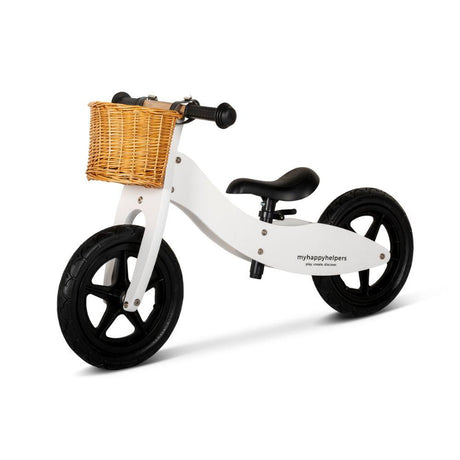
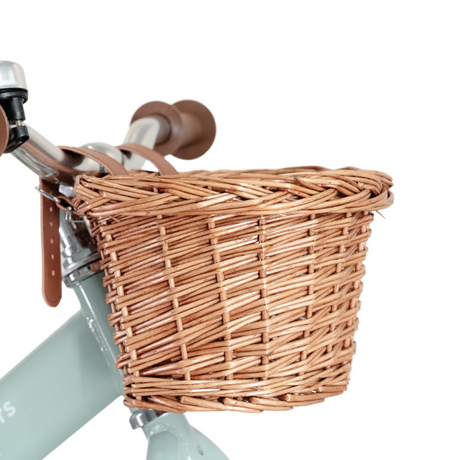
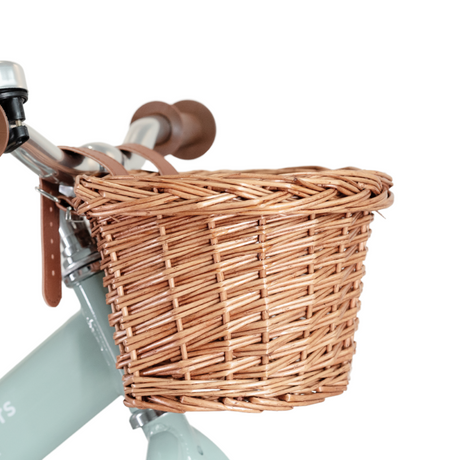
2 in 1 Mini Trike / Balance Bike with Basket - Snow White
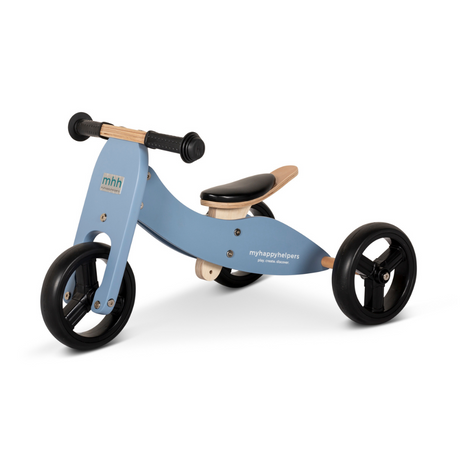
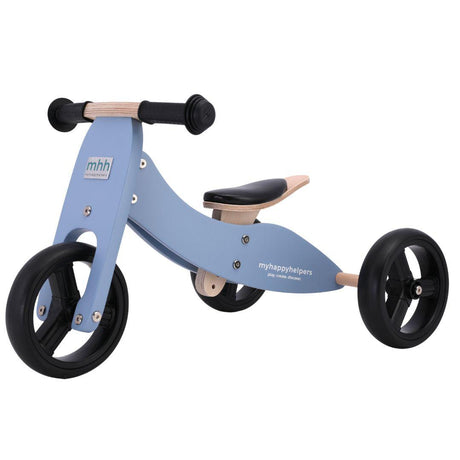
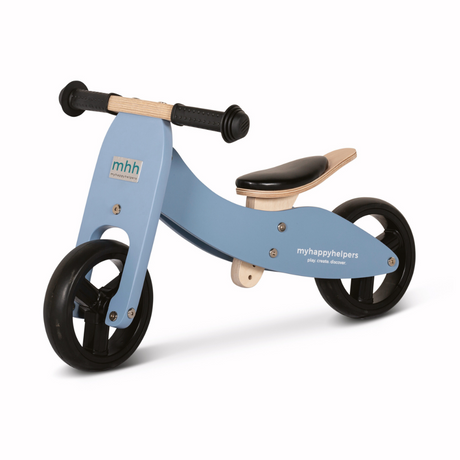
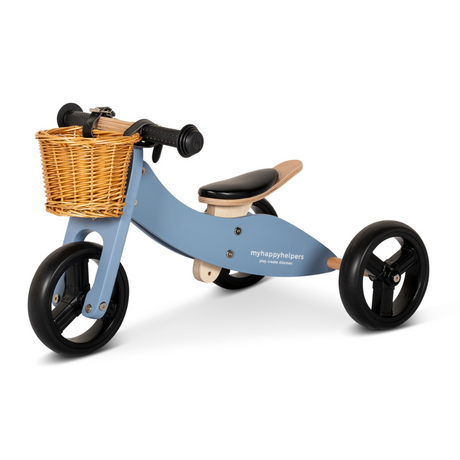
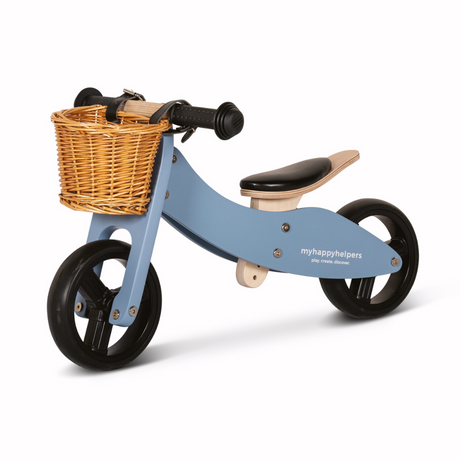
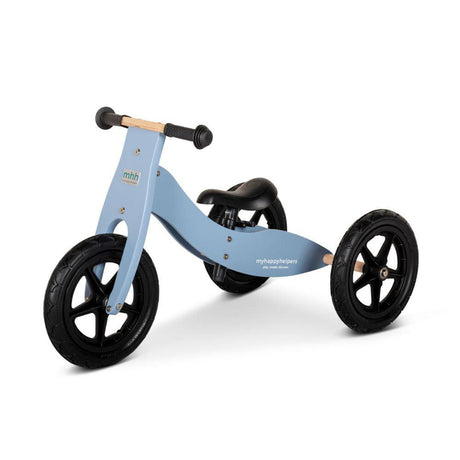
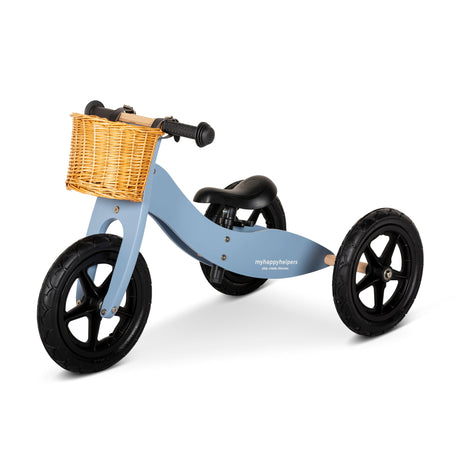
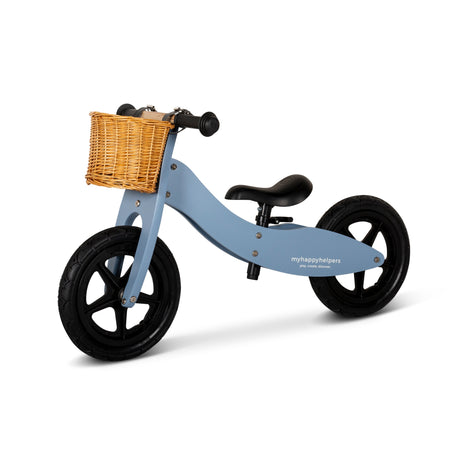
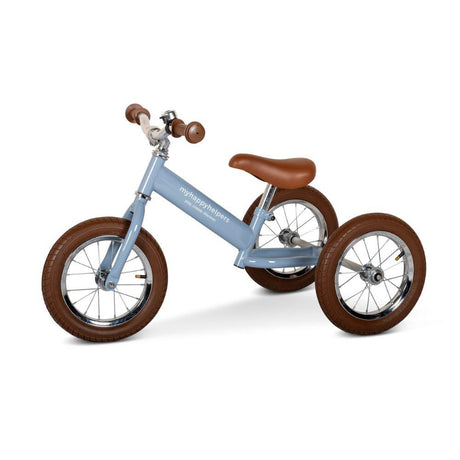
2 in 1 Trike / Balance Bike - Slate Blue
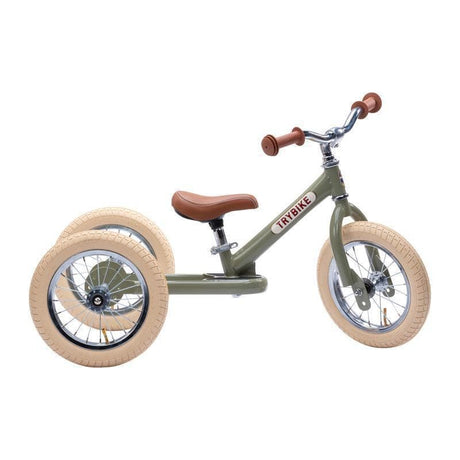
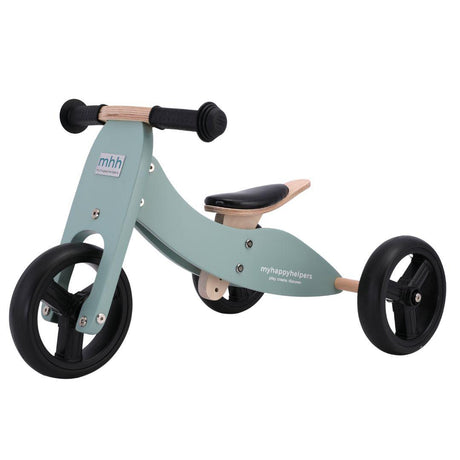
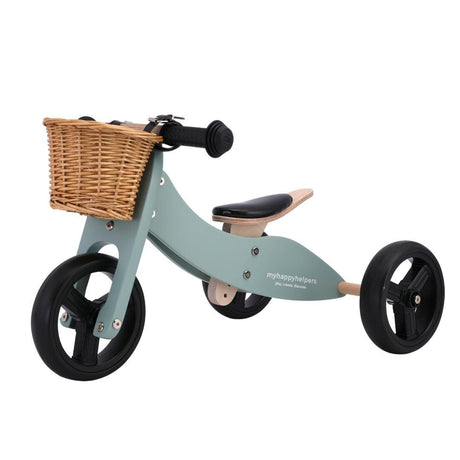
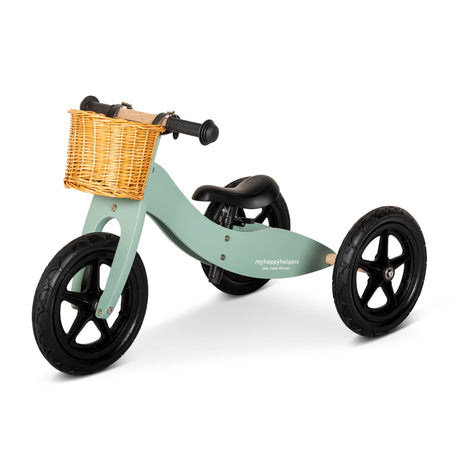
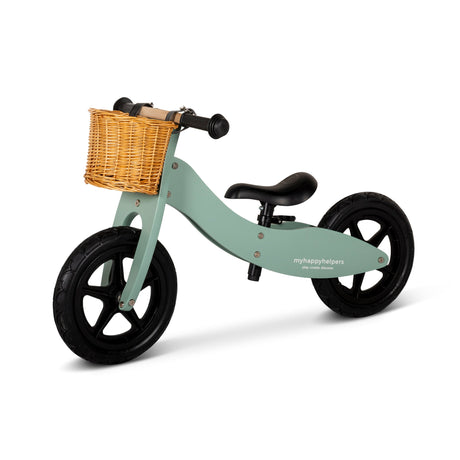
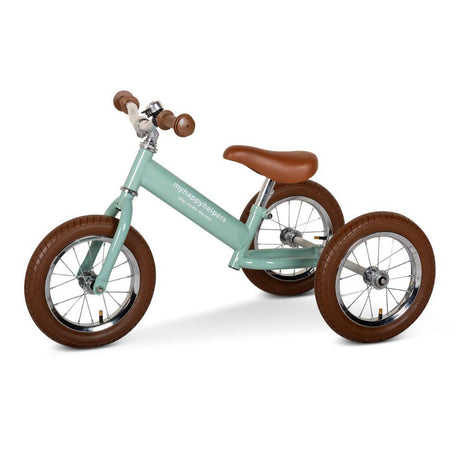
2 in 1 Trike / Balance Bike - Sage Green
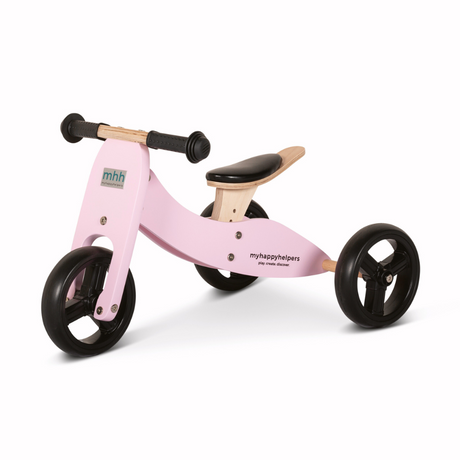
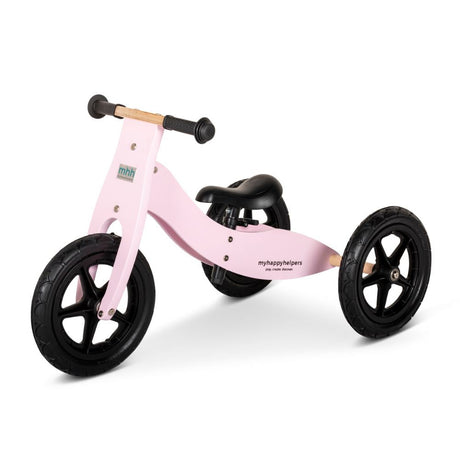
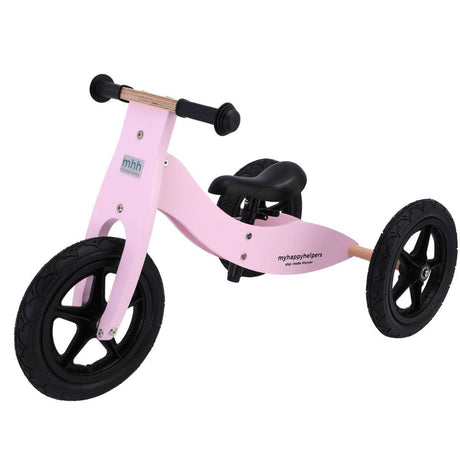
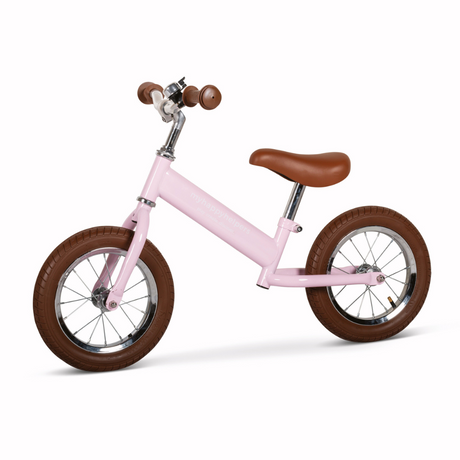
2 in 1 Trike / Balance Bike - Rose Pink
2 in 1 Trike / Balance Bike - Snow White
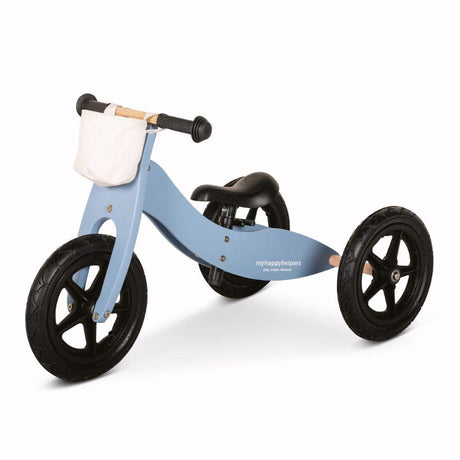
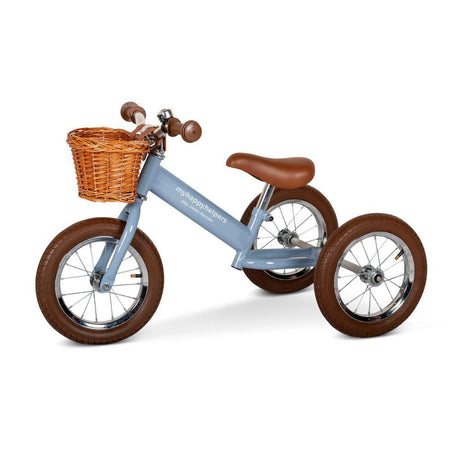
2 in 1 Trike / Balance Bike with Basket - Slate Blue
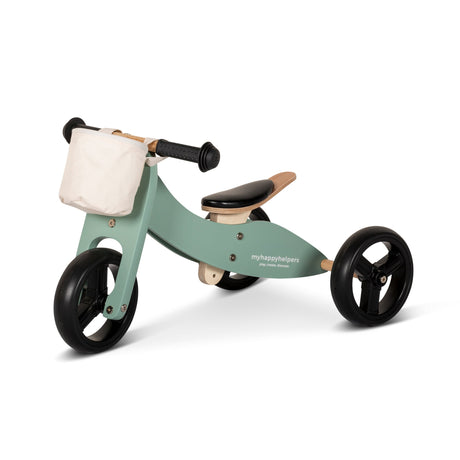
2 in 1 Trike / Balance Bike with Basket - Sage Green
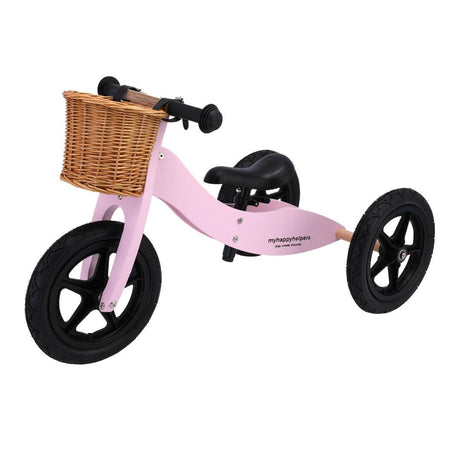
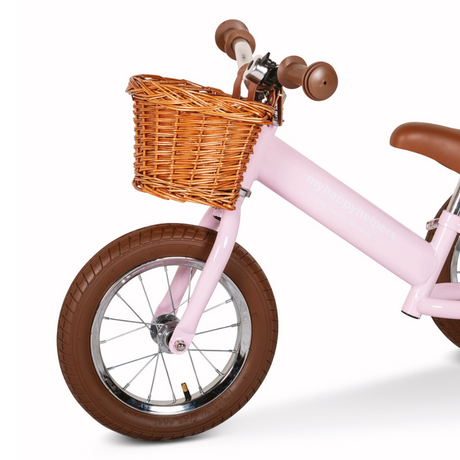
2 in 1 Trike / Balance Bike with Basket - Rose Pink
2 in 1 Trike / Balance Bike with Basket - Snow White
2 in 1 Steel Trike / Balance Bike - Slate Blue
Buying Guide
Not sure where to start? These quick guides will help you choose the right balance bike with confidence — from age and sizing to understanding why balance comes first.
Start here
Our complete guide to choosing the best balance bike for your child.
Read guide →By age
Understand the ideal starting age and how to spot readiness.
Read guide →Comparison
See why balance-first learning creates more confident riders.
Read guide →Sizing
Make sure your child’s bike fits properly for safe, easy riding.
Read guide →A balance bike teaches the skill that matters most first — balance. No training wheels. No confusion. Just confidence, coordination and control built naturally through movement.
By removing pedals from the learning process, children can focus on steering, balance and body control first. It feels lighter, simpler and more natural — which is exactly why so many children move to a pedal bike more smoothly later on.
Children learn the core riding skill before pedals are introduced — making the next step feel smoother and more natural.
Balance bikes help children learn through movement, not correction. They push, steer, stop and glide at their own pace — building confidence in a way that feels intuitive from the very beginning.
For many families, that means less frustration, fewer wobbly transitions and a much more enjoyable introduction to riding.
A good balance bike should feel easy to ride, easy to manage and comfortable for growing bodies.
Children learn the skill that actually matters first, making the move to a pedal bike feel calmer and far less overwhelming.
Steering, stopping, pushing and gliding all work together to build body awareness and riding confidence through real movement.
Lightweight, approachable and intuitive to use, balance bikes help little riders feel capable from the very beginning.
Many children who start on a balance bike transition to a pedal bike faster because they already understand balance and steering.
If you’re looking for the best balance bike in Australia, the most important things to consider are fit, comfort, handling and confidence. A good kids balance bike should allow your child to place their feet flat on the ground while seated, with a shape that feels easy to control.
Balance bikes are a popular first bike for toddlers because they support confidence and coordination before pedals are introduced. That makes them a smart choice for families wanting a more natural, low-stress start to riding.
Explore our buying guide or browse our wider range of children’s bikes.
Most balance bikes are suitable from around 18 months to 5 years, depending on your child’s height, confidence and coordination.
Balance bikes teach children how to balance and steer first, which training wheels do not. This often makes the transition to a pedal bike faster and easier.
Your child should be able to sit comfortably with their feet flat on the ground and a slight bend in their knees.
Yes — many children move to a pedal bike more confidently because they have already developed balance, coordination and steering control first.
The best balance bike is the one that fits your child well now — supporting confidence, comfort and easy control from the very beginning.
Ideal for little ones who are just starting to explore riding. At this stage, a low seat height and lightweight feel matter most.
A wonderful stage for building steering, gliding and body awareness. Many toddlers become noticeably more confident as they practice regularly.
Great for older toddlers and young children who are ready for longer rides and smoother transitions to a pedal bike later on.
Age is a helpful guide, but fit matters most. Your child should be able to sit comfortably with their feet flat on the ground and a slight bend in their knees.