-

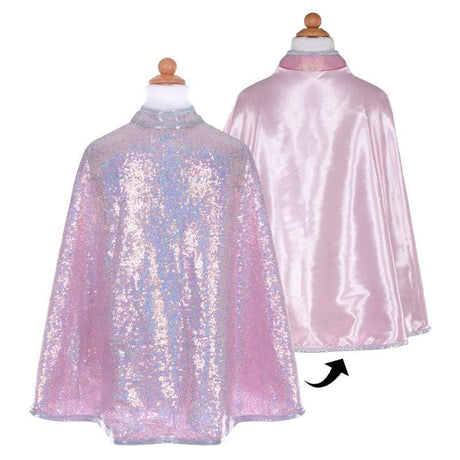
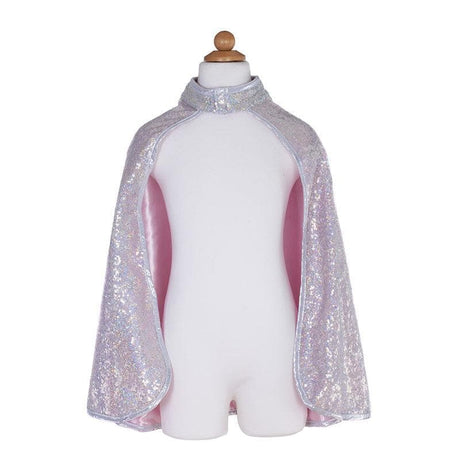
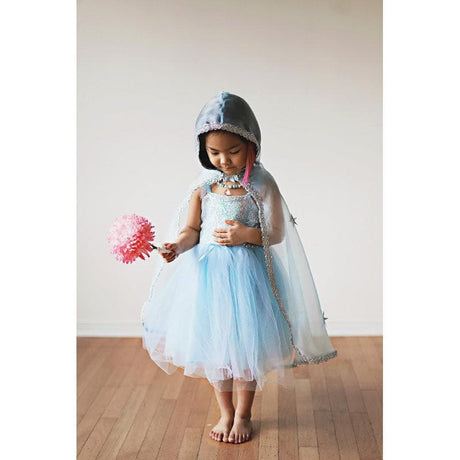
Silver Reversible Sequins Cape
$64.95Unit price /Unavailable -
$72.95Unit price /Unavailable
-
Reversible Unicorn & Dragon Cape
$69.95Unit price /Unavailable -
$42.95Unit price /Unavailable
-
$44.95Unit price /Unavailable
-
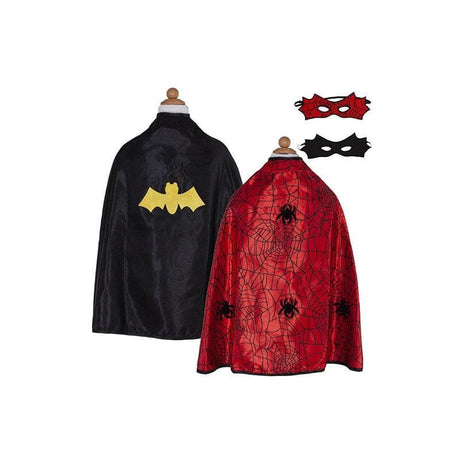
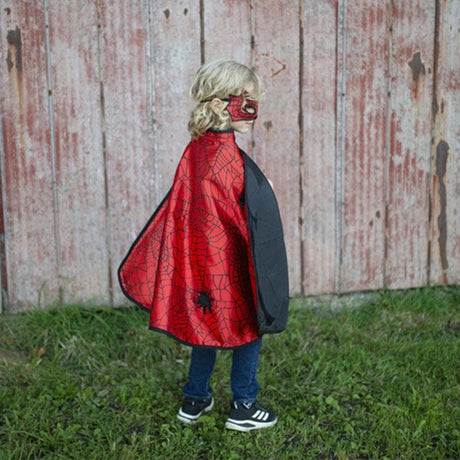
Reversible Spider & Bat Cape with Mask
$64.95Unit price /Unavailable -

Rose Gold Tutu & Wings Set Sz 4-6
$49.95Unit price /Unavailable -
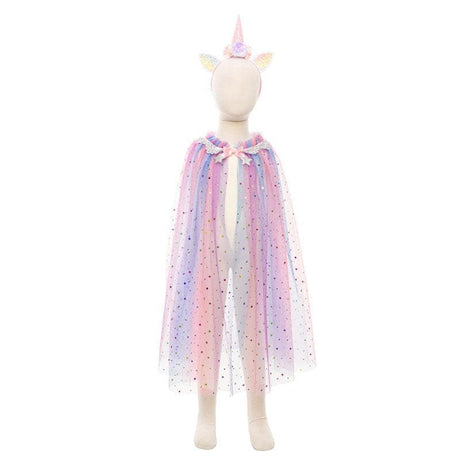
Rainbow Unicorn Cape & Headband
$59.95Unit price /Unavailable





How toddlers use costumes for imaginative role play at home
Why some costumes get worn constantly while others get abandoned
Designed for repeat use
Supports open-ended role play
Comfortable enough for longer play
Easy for children to wear independently
Encourages imaginative role play naturally
More wearable than novelty costumes
Works across multiple stages of pretend play
Shop by need
Costumes for children who love pretend play but dislike uncomfortable dress ups
Fantasy & Fairy Costumes

Twinkling Star Confetti Wings
$34.95

Rose Gold Tutu & Wings Set Sz 4-6
$49.95

Mermalicious Dress with Tail
$74.95

Midnight Butterfly Tutu with Wings & Headband
$49.95

Pastel Magical Unicorn Skirt & Wings Size 4-6
$54.95

Pink Butterfly Dress & Headpiece Size 5-6
$89.95

Pink Sequins Princess Dress
$69.95

Silver Reversible Sequins Cape
$64.95

Superduper Tutu Rose Gold Size 4-6
$69.95
Costume Sets
Pastel Magical Unicorn Skirt & Wings Size 4-6
$54.95
Midnight Butterfly Tutu with Wings & Headband
$49.95
Pink Butterfly Dress & Headpiece Size 5-6
$89.95

Red Triceratops Hooded Cape
$64.95

Toddler Reversible Spider & Bat Cape - Size 2-3T
$59.95

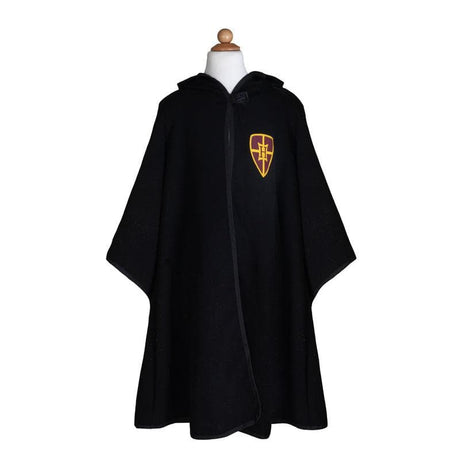
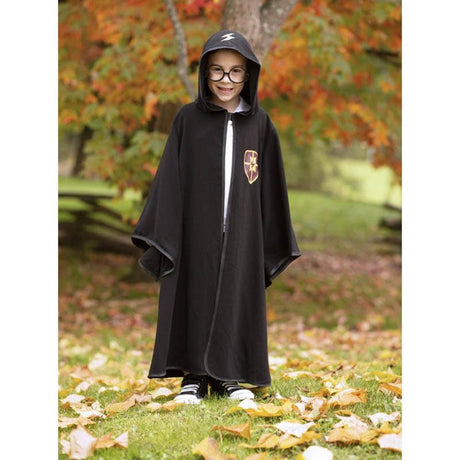
Wizard Cloak with Glasses
$72.95

Woodland Storybook Wolf Cape Size 4-6
$74.95
Character Costumes

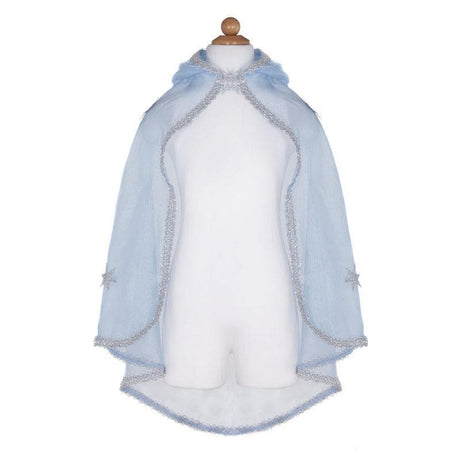
Blue & Silver Sparkle Wizard Cape
$49.95

Celestial Dragon Jewel Soft Wings Size 4-6
$44.95

Little Red Riding Hood Cape
$42.95

Reversible Spider & Bat Cape with Mask
$64.95

Reversible Unicorn & Dragon Cape
$69.95

Pterodactyl Hooded Cape
$62.95

T-Rex Hooded Cape
$62.95

Teal & Gold Starry Night Dragon
$72.95
Toddler Reversible Spider & Bat Cape - Size 2-3T
$59.95
Wizard Cloak with Glasses
$72.95
Woodland Storybook Wolf Cape Size 4-6
$74.95

How toddlers use costumes for imaginative role play at home

Costumes for children who love pretend play but dislike uncomfortable dress ups
Start here
Choosing the right kids costumes
Choose simpler costumes if:
- They are new to role play They prefer independent dressing They become frustrated with complicated outfits
Choose larger costume sets if:
- They already invent detailed stories They enjoy switching between characters They engage in longer imaginative play sessions
Designed for repeat imaginative play
✓
Soft, child-friendly fabrics
✓
Comfortable enough for everyday wear
✓
Easy for children to put on independently
✓
Durable enough for repeated role play
When costumes may not be the best fit
Start with costumes they’ll actually want to wear