Click & Collect or 24hr Dispatch*

Pikler Triangles

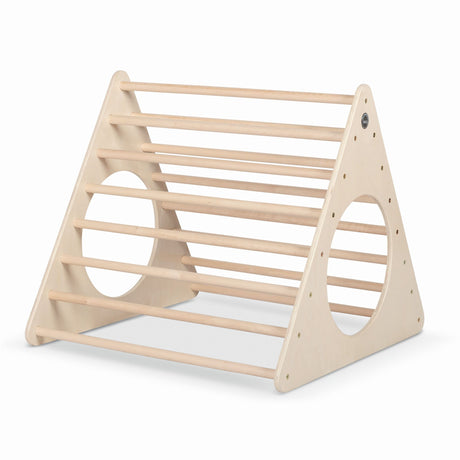
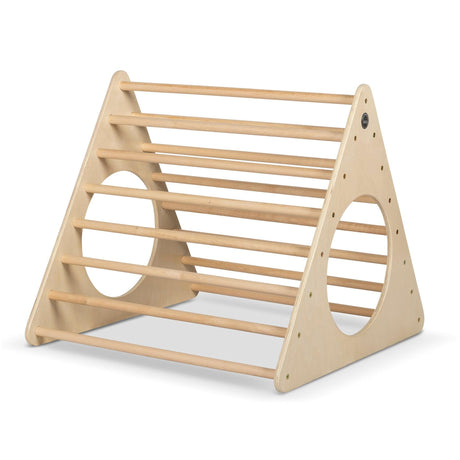
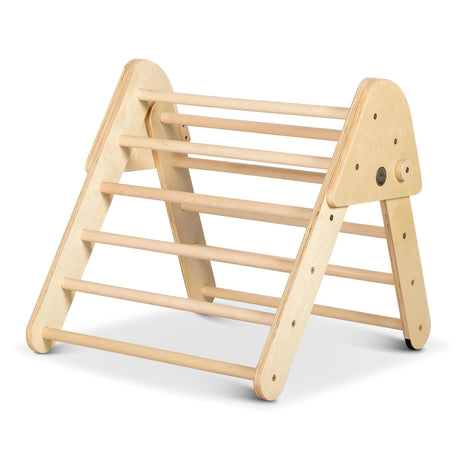
Pikler Triangles for Safe, Confident First Climbing

When climbing starts, the challenge isn’t stopping it — it’s guiding it safely.

A Pikler triangle gives your child a structured way to climb, build confidence, and move independently without relying on furniture or unsafe surfaces.


Start With a Setup That Feels Manageable

Why a Pikler Triangle Is the First Step

Climbing is one of the first ways children explore strength, balance, and movement. It often starts with furniture and quickly becomes part of everyday behaviour.

A Pikler triangle provides a controlled environment for this stage — allowing children to climb safely, repeat movement confidently, and build independence through familiarity.

For many families, it becomes the foundation of movement play before adding more complex setups.

Climbing Starts Whether You Plan for It or Not

Children naturally begin climbing furniture, stairs, and anything within reach. A triangle gives them a safe place to do it.

Simple Structure Makes It Easier to Use

Unlike larger setups, a triangle is easy to introduce and doesn’t overwhelm your child or your space.

It Becomes Part of Everyday Movement

Children return to it repeatedly — climbing, balancing, and building confidence through familiar movement.

Start With a Setup That Feels Manageable

A simple triangle gives your child a clear, safe starting point without overwhelming them.

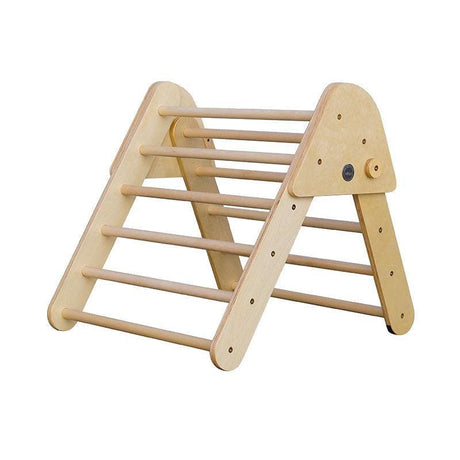
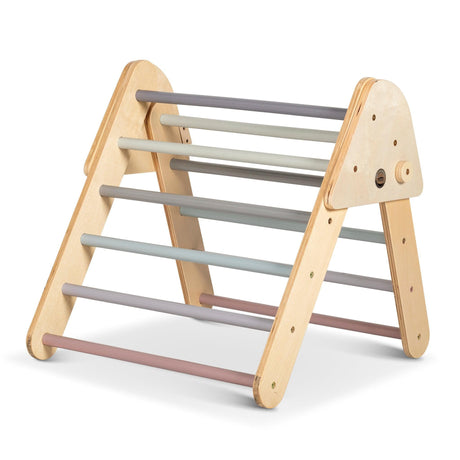
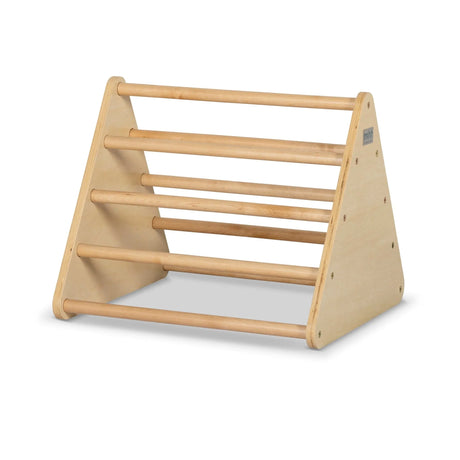
Kids Indoor Pikler Balance Board Play -Unvarnished

Progress Happens Through Repetition

Climbing the same structure builds familiarity, strength, and confidence over time.

Start Here

Not Sure Which Triangle to Choose?

The right triangle depends on how confident your child is and how much space you have.

Just Starting to Climb

  • Choose a lower height triangle Focus on stability and simplicity Avoid overcomplicating the setup

Already Climbing Confidently

  • Choose adjustable or taller designs Allow room for progression Consider long-term use
If you’re unsure, start with a standard mid-size triangle — it suits most children and gives room to grow.

Designed for Safe, Everyday Climbing

Smooth edges and safe spacing

Built for daily climbing, not occasional use

Materials designed for durability and longevity

Stable triangular structure for consistent support

When a Pikler Triangle Might Not Be Right Yet

If your child is not yet pulling up or exploring climbing, a softer, lower-to-ground movement setup may be more appropriate.

The First Climbing Decision That Sets Everything Up
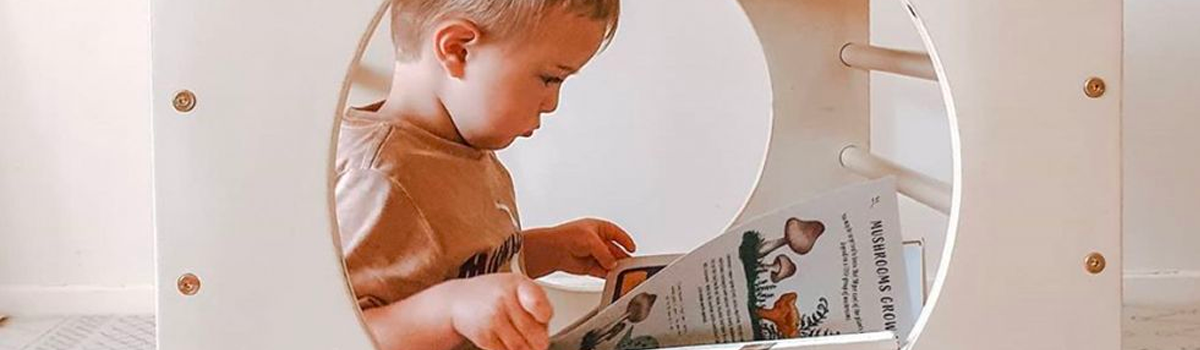
A Pikler triangle is often the first structured climbing purchase — and the one everything else builds from.

Choosing the right one means your child has a safe, reliable place to climb from the very beginning, without needing constant upgrades or replacements.

Frequently asked questions

Questions Parents Ask About Pikler Triangles

When should I upgrade to a Pikler set or add-ons?

Once your child becomes confident and needs more variation, you can add ramps or move to a full set.

Is a Pikler triangle worth it?

For children who are already climbing, it provides a safer and more structured alternative to furniture.

What’s the difference between a Pikler triangle and a climbing frame?

A triangle is simpler and designed for early climbing. A frame is larger and suited to more advanced movement.

Will my child actually use a Pikler triangle?

Children who are already climbing tend to engage with it immediately, as it replaces unsafe climbing surfaces.

How do I choose the right Pikler triangle?

Start with a stable, mid-size triangle. Choose adjustable options if you want longer-term use.

Is a Pikler triangle safe for toddlers?

Yes, when designed with the correct height, spacing, and stability for toddler use.

What age is a Pikler triangle suitable for?

Most children begin using a Pikler triangle from around 10–12 months when they start pulling up and exploring climbing.