Educational Toys for Curious, Capable Kids
Discover educational toys designed to support learning through play — from early numeracy and language to problem solving, fine motor skills and practical life experiences.
-
 55% off
 -
-

-

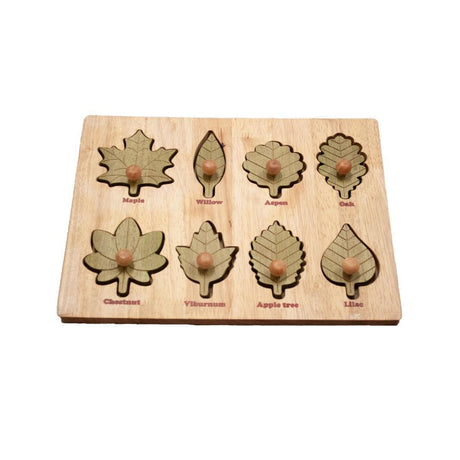
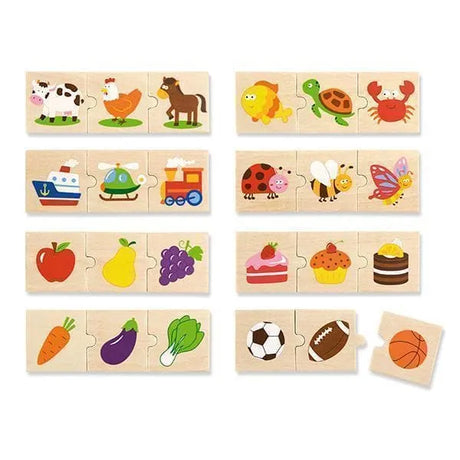
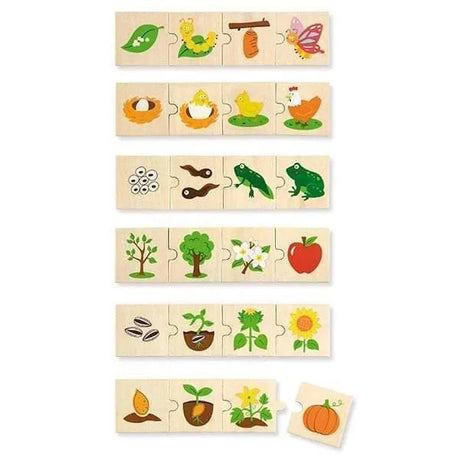
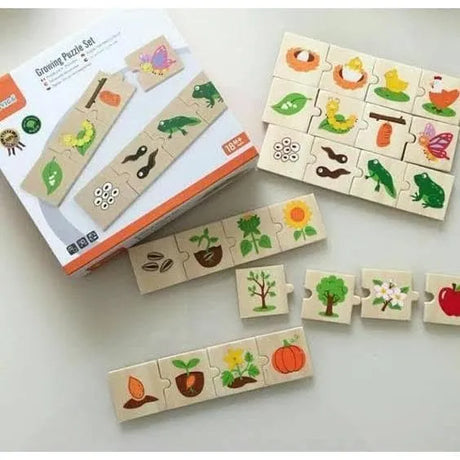
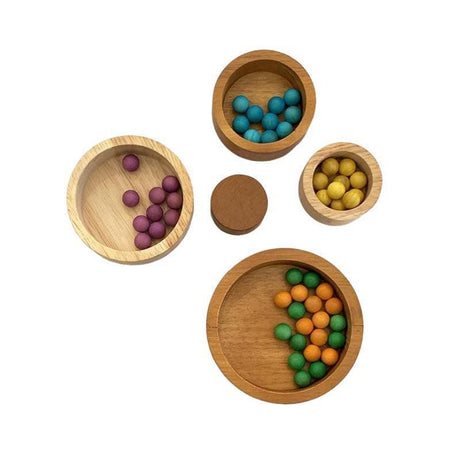
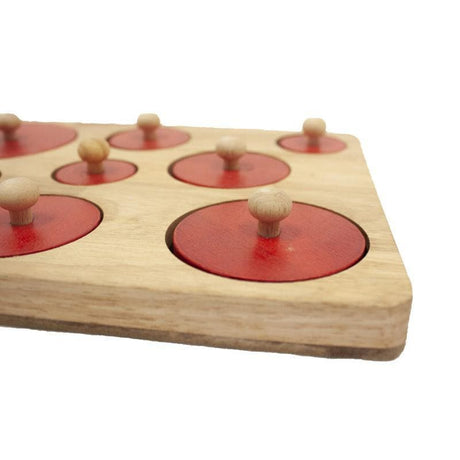
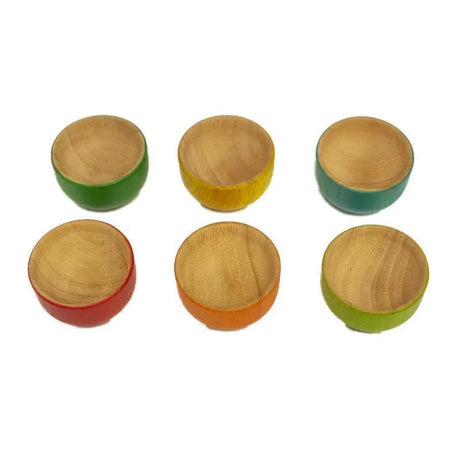
Wooden Categorising Puzzle Set
$19.95Unit price /Unavailable -
 50% off
 -

-
50% off
-
-

-
-
-

-
-
-
-
$19.95Unit price /Unavailable
-
-

-
-
-
-
-
-
Sold out$7.95Unit price /Unavailable
-
65% off
-
Up to 50% off
-
12% off
-
$14.95Unit price /Unavailable
-
-
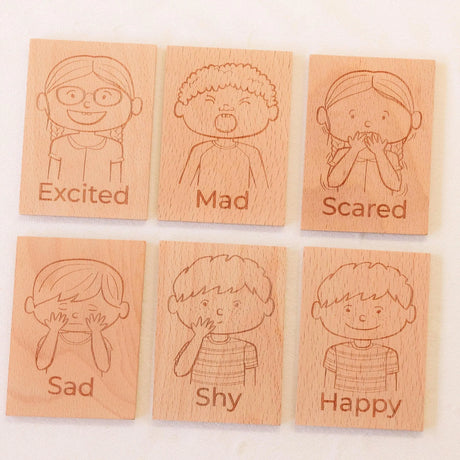
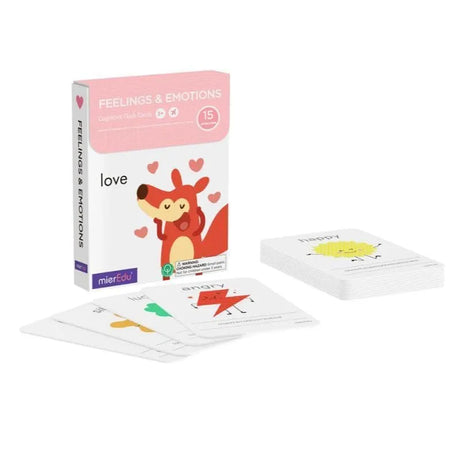
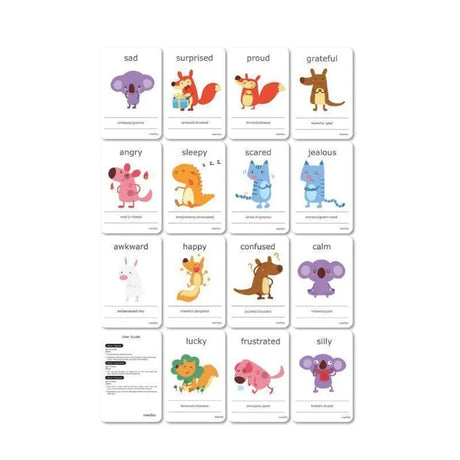
Feelings & Emotions Flashcards
$14.95Unit price /Unavailable -
$44.95Unit price /Unavailable
-













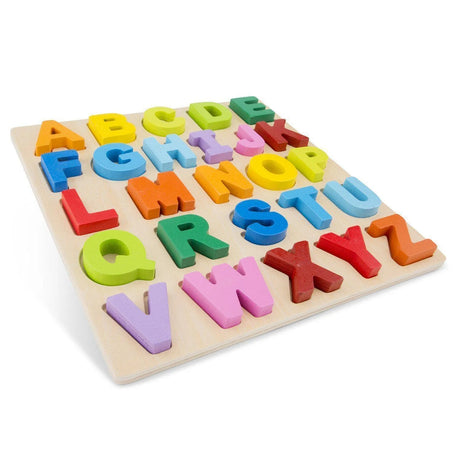
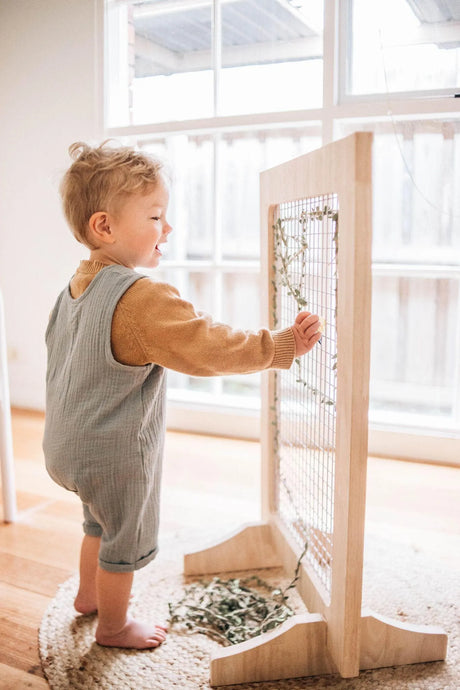

Educational toys for every stage
Children learn differently at every stage. Choosing the right educational toys starts with understanding what your child is ready for now — then building from there.
Educational toys for 1 year olds
Support sensory exploration, movement, grasping and early coordination.
2 yearsEducational toys for 2 year olds
Encourage sorting, stacking, problem solving and growing independence.
3 yearsEducational toys for 3 year olds
Develop language, creativity, imagination and early building skills.
4 yearsEducational toys for 4 year olds
Support early numeracy, problem solving and more structured play.
5 yearsEducational toys for 5 year olds
Build confidence, independence and school-ready thinking skills.
Choose toys based on how your child learns
Educational toys are most effective when they support a specific type of development — whether that’s problem solving, coordination, language or independence.
STEM & construction toys
Encourage problem solving, spatial awareness and creative thinking through building.
Blocks & building play
Support coordination, balance and open-ended exploration.
Language & literacy toys
Help develop early reading, communication and word recognition.
Sensory learning toys
Encourage focus, exploration and early development through touch and movement.
Open-ended play
Flexible toys that evolve with your child and support deeper engagement.
Practical life learning
Build independence through real-world participation and everyday routines.
Educational toys that support real development
The most valuable educational toys don’t try to teach everything at once. Instead, they support how children naturally learn — through play, repetition, movement and curiosity.
Rather than overwhelming children with too many features or fixed outcomes, well-designed toys create opportunities for them to explore, experiment and build confidence at their own pace. This is what leads to deeper focus, stronger problem solving and more meaningful play over time.
As children grow, the way they play changes. What begins as sensory exploration becomes sorting, building, imagining, communicating and eventually more structured thinking. Choosing toys that match this progression helps children stay engaged while continuing to develop new skills naturally.
Helpful answers for choosing educational toys
Choosing educational toys can feel overwhelming when every toy claims to support learning. These answers are designed to help parents understand what really matters, what to look for, and how to choose toys that suit their child’s stage and play style.
What makes a toy educational?
A toy is educational when it helps a child build skills through play rather than just keeping them occupied. That might include problem solving, fine motor development, coordination, early maths, language, creativity, concentration or practical life confidence. The strongest educational toys invite children to explore, repeat, experiment and think for themselves.
What are the best educational toys for toddlers?
For toddlers, the best educational toys are usually hands-on, simple to use and easy to return to again and again. Good options often include stacking toys, shape sorters, matching games, building toys, sensory resources and practical life toys that support coordination, concentration and early problem solving without feeling too complicated.
How do I choose educational toys by age?
Start with your child’s developmental stage, not just the number on the box. Younger children often benefit from sensory exploration, motor skill development and simple cause-and-effect play. As children grow, they usually become ready for toys that support language, counting, sequencing, construction, memory, creativity and more independent problem solving. The best fit is the toy that feels achievable, engaging and age-appropriate right now.
Are wooden educational toys better than plastic toys?
Not automatically, but many families prefer wooden educational toys because they tend to be durable, tactile and more open-ended in how children use them. They often encourage calmer, more focused play and can remain useful for longer. The real difference comes down to design: a well-made toy that encourages active play and real engagement will usually be more valuable than a toy with only one fixed outcome.
What skills do educational toys help develop?
Educational toys can support many different areas of development, depending on the toy. These may include fine motor skills, hand-eye coordination, language development, early numeracy, memory, sensory processing, creativity, concentration, social interaction, confidence and practical life skills. The benefit often comes from how children interact with the toy over time rather than one single play session.
Do educational toys need to be Montessori to be effective?
No. Montessori-inspired toys can be wonderful because they often support hands-on, child-led learning, but a toy does not need to be labelled Montessori to be valuable. What matters more is whether it encourages real engagement, supports development and feels appropriate for your child’s age, interests and stage.
How many educational toys should a child have?
Usually fewer than people think. A smaller number of well-chosen toys often works better than a large collection of overstimulating or single-purpose items. Children tend to play more deeply when they have clear, approachable options they can use in different ways rather than too many choices at once.
Are educational toys good for school readiness?
Yes, many educational toys can support school readiness by helping children develop the building blocks that matter before formal learning begins. That may include concentration, language, early counting, pencil grip strength, memory, sequencing, independence and confidence with problem solving. They are most helpful when learning still feels playful rather than pressured.
What is the difference between educational toys and open-ended toys?
There is often overlap. Educational toys are chosen because they support learning or development in some way. Open-ended toys are toys that can be used in many different ways without one fixed result. Some of the strongest educational toys are open-ended because they encourage imagination, experimentation and deeper thinking over time.
How do I know if an educational toy will actually hold my child’s attention?
The toys that hold attention best are usually the ones that feel achievable, engaging and flexible enough to be used more than one way. Children tend to return to toys that let them build, sort, stack, match, imagine, solve and repeat. A toy does not need to be loud or complicated to be effective — in fact, simpler toys often create more lasting engagement.