Wooden Toys Designed for Safer, More Meaningful Play
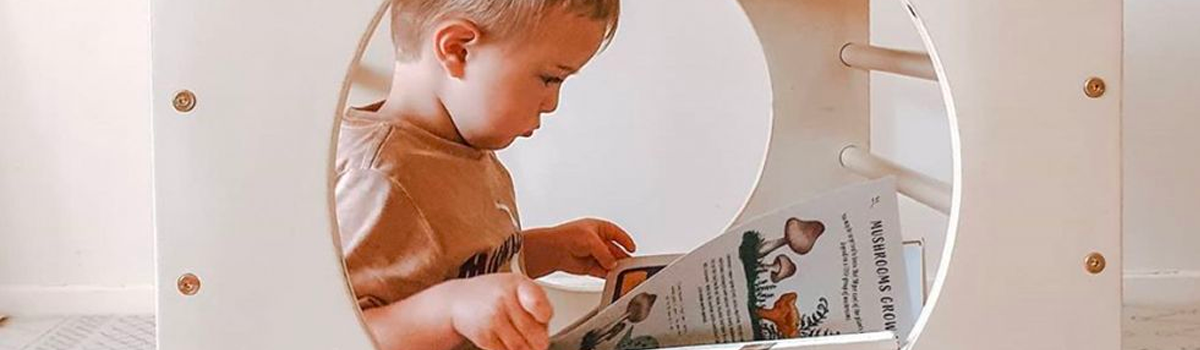
Wooden toys offer a more thoughtful alternative to fast, overstimulating play. A well-designed wooden toy supports creativity, independence and calmer everyday play for babies, toddlers and children. Not all toys are designed with real play in mind. Wooden toys offer a more thoughtful alternative — supporting creativity, independence and calmer play without overstimulation.
-


-

-
-
-
50% off$49.95
$99.95Unit price /Unavailable -
-
-
-
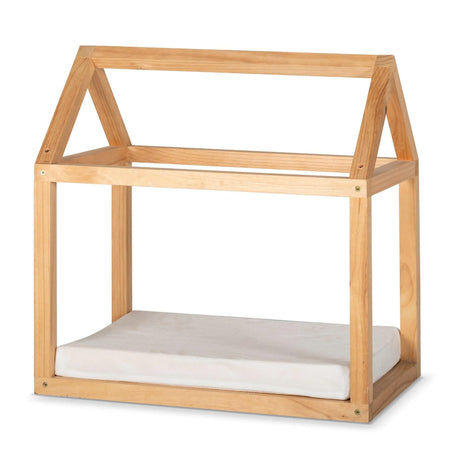
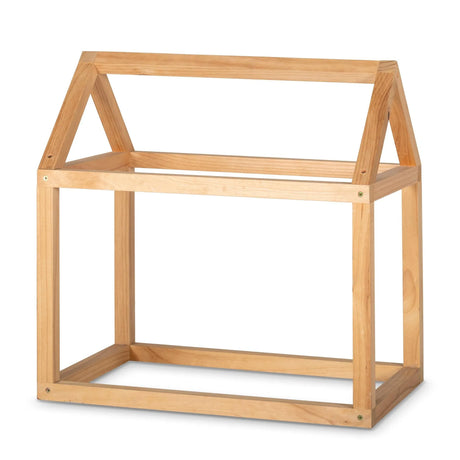
![Casa Wooden Doll House Bed - PINE]() Up to 57% off
Up to 57% off -

-
-
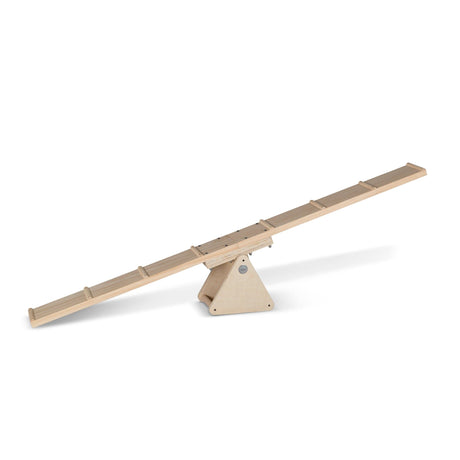
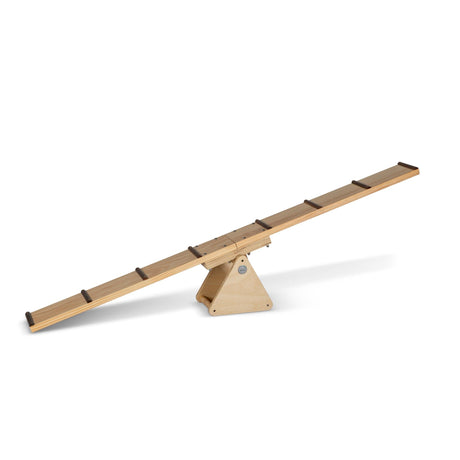
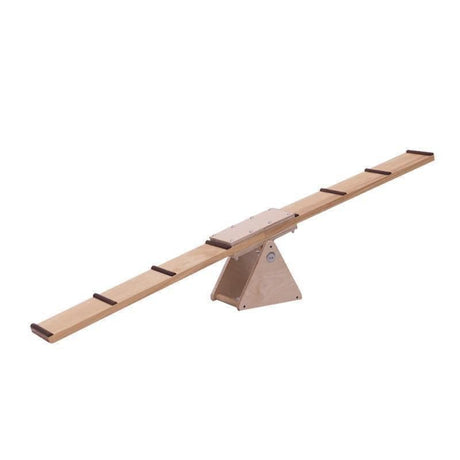
![Wooden See-Saw]() Up to 50% off
Up to 50% off -
-
![Pastel Rainbow]() 33% off
33% off -
-
27% off
-
-
-
-
$89.95Unit price /Unavailable
-
$109.95Unit price /Unavailable
-
Two Toned Capital Letter Puzzle
$44.95Unit price /Unavailable -

-
-
$99.95Unit price /Unavailable
-
 $44.95Unit price /Unavailable
 -


-
$69.95Unit price /Unavailable
-
$34.95Unit price /Unavailable
-
$42.95Unit price /Unavailable
-
-
-
![Calm and Breezy Rolling Shape Sorter]()
-
-
 33% off$19.95
$29.95Unit price /Unavailable -
$169.95Unit price /Unavailable
-
$49.95Unit price /Unavailable
-
-
$49.95Unit price /Unavailable
-
$34.95Unit price /Unavailable
-
$99.95Unit price /Unavailable
-
 17% off
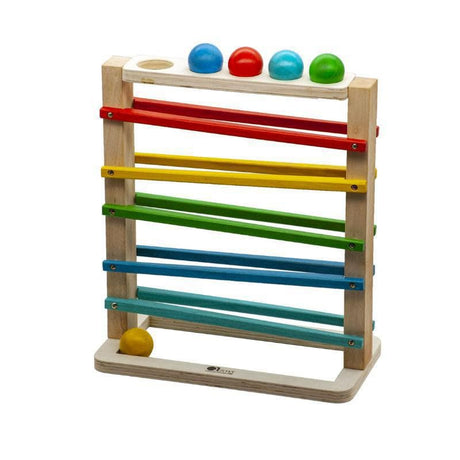
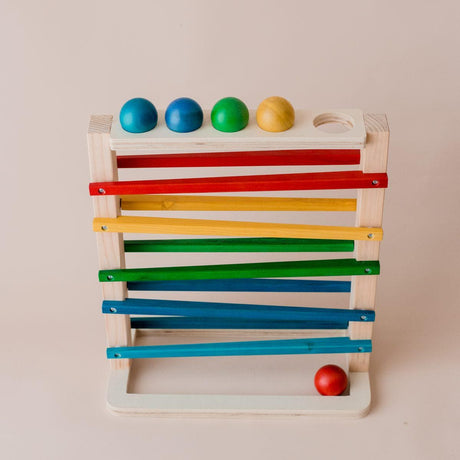
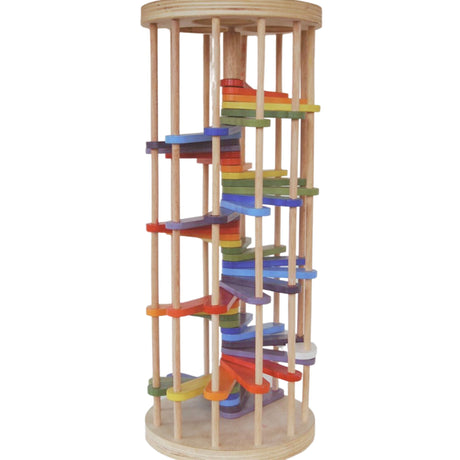
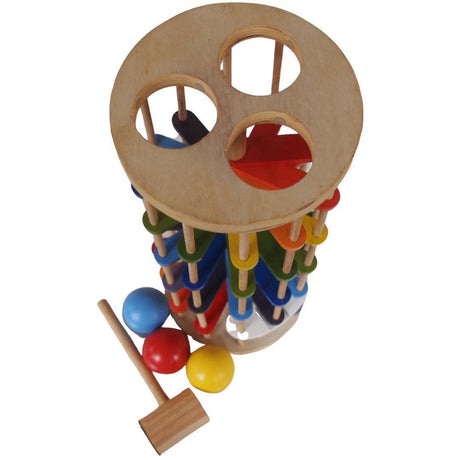







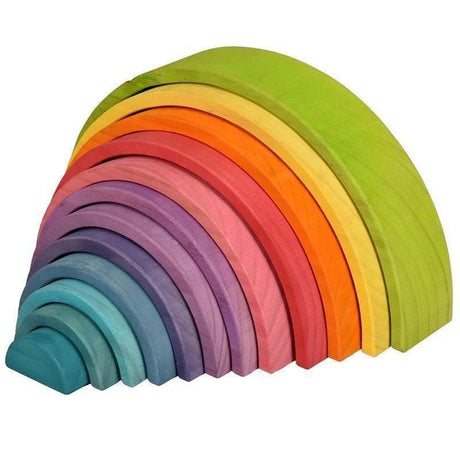
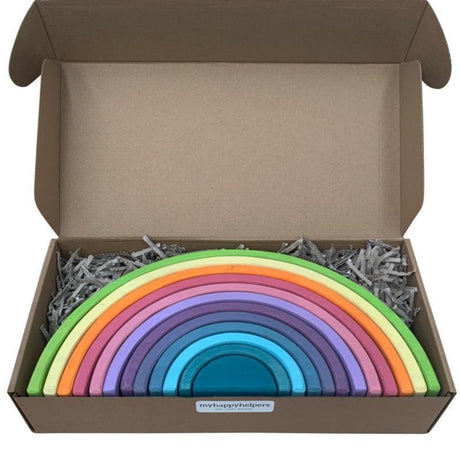
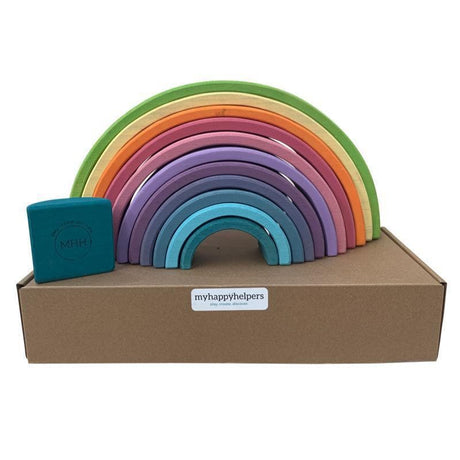


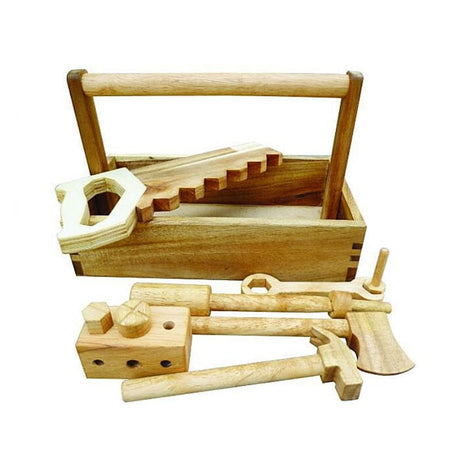

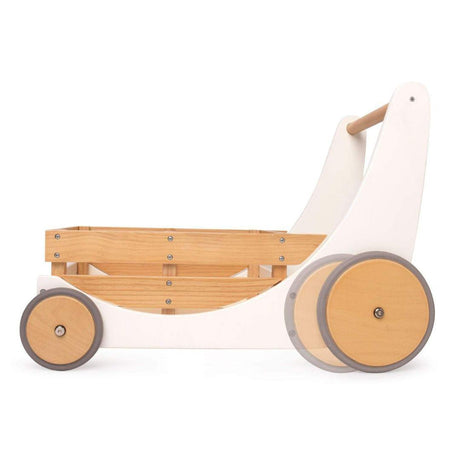
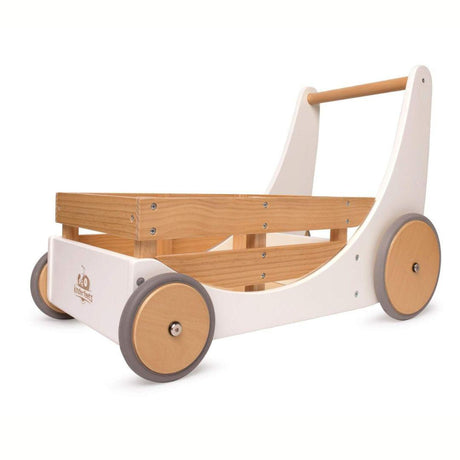
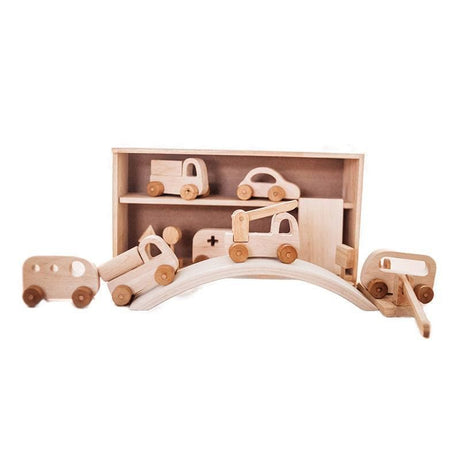
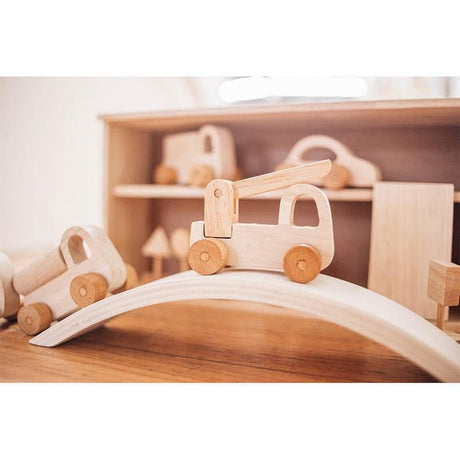
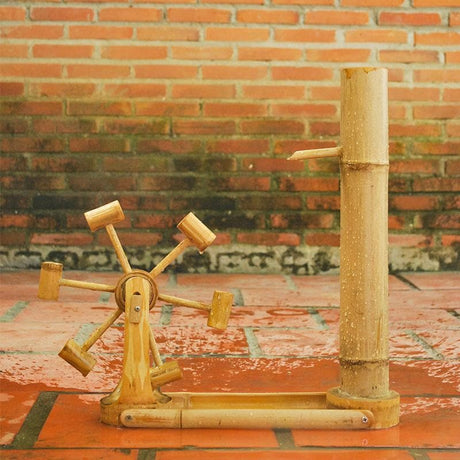
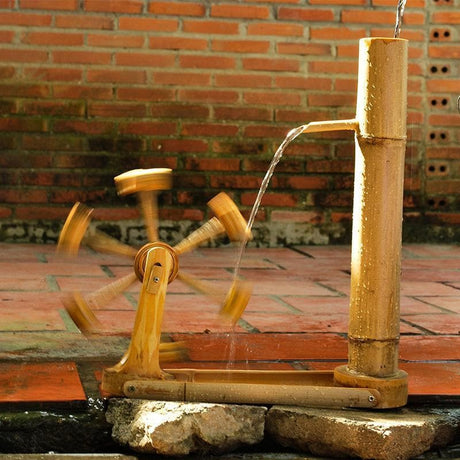


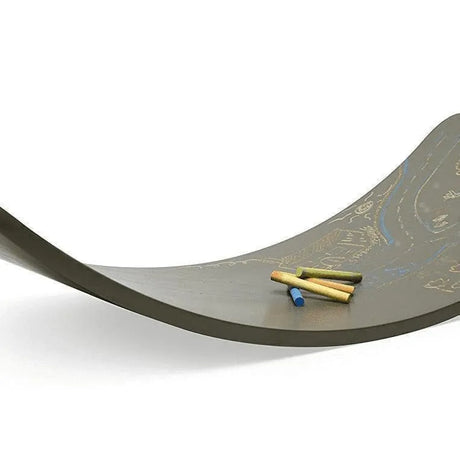
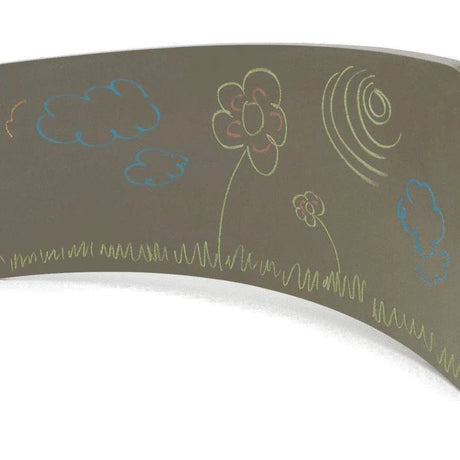
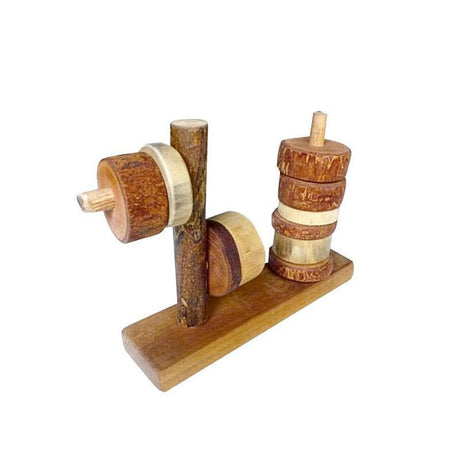
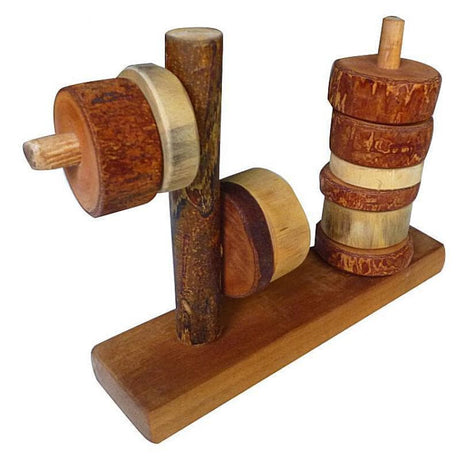
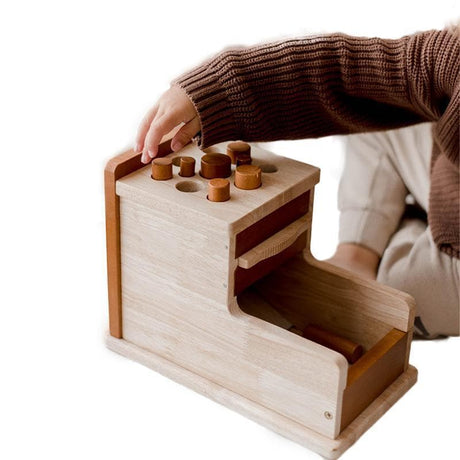
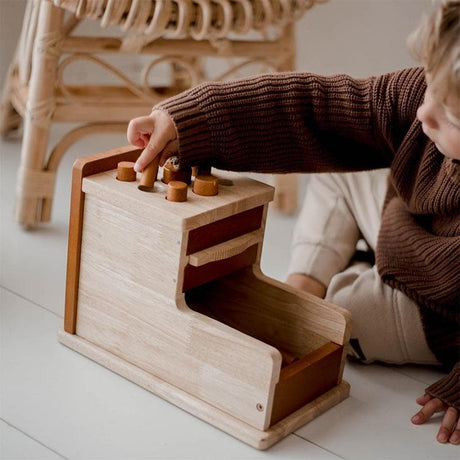
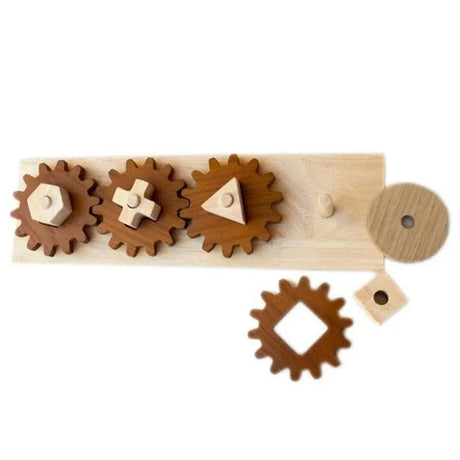
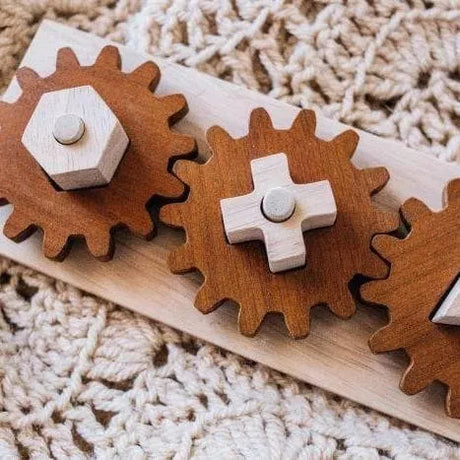




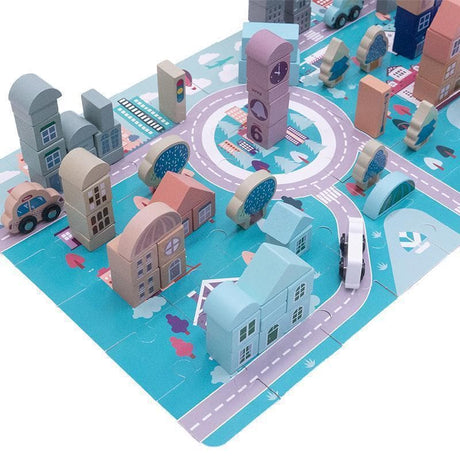
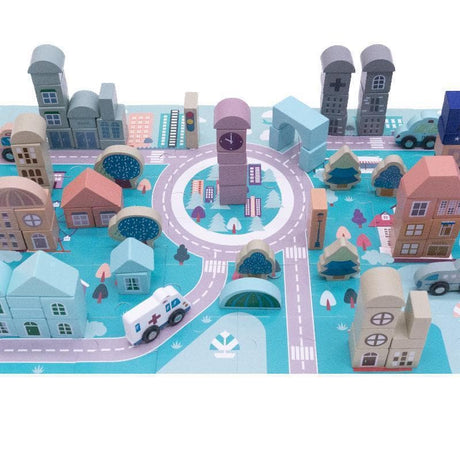
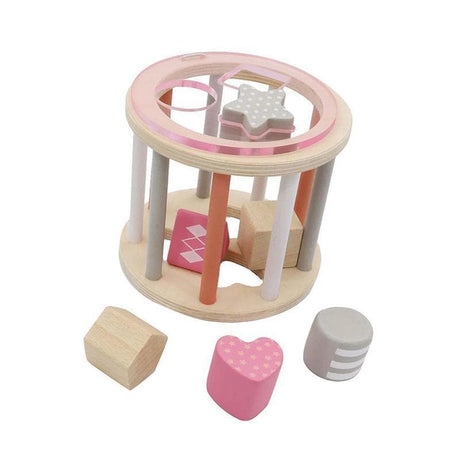
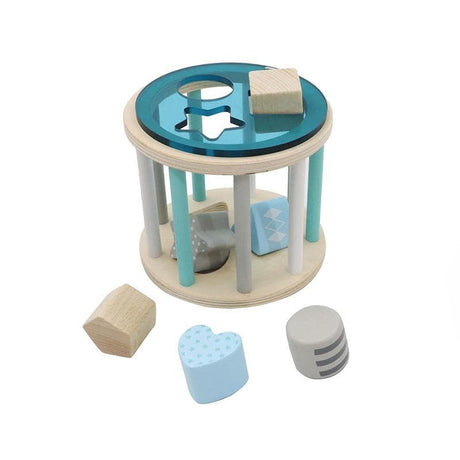
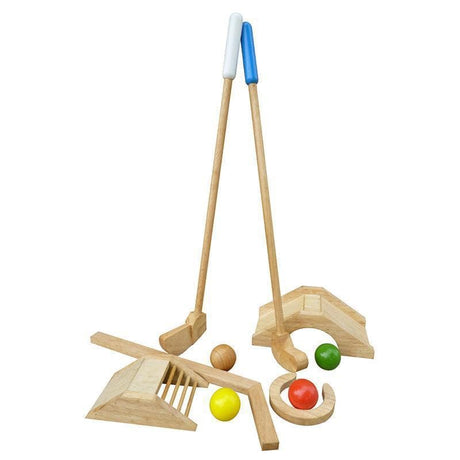
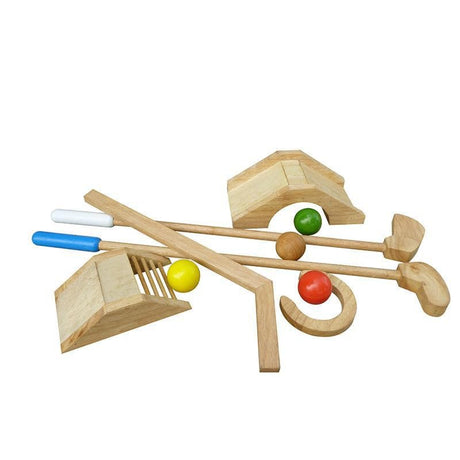






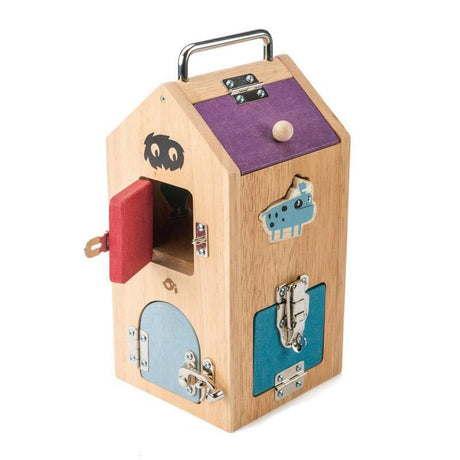
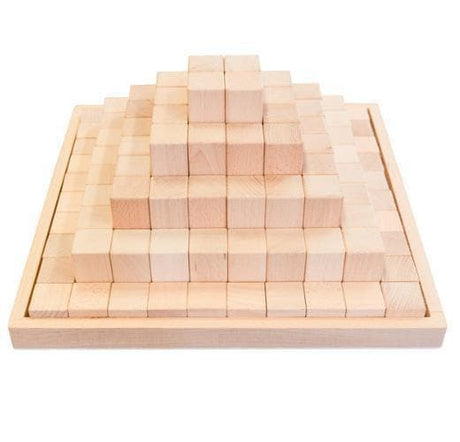
Play feels different when the toy does less
Many modern toys are designed to do everything for the child. They light up, make noise, direct the play and hold attention for a moment — but they do very little to support deeper, more meaningful engagement.
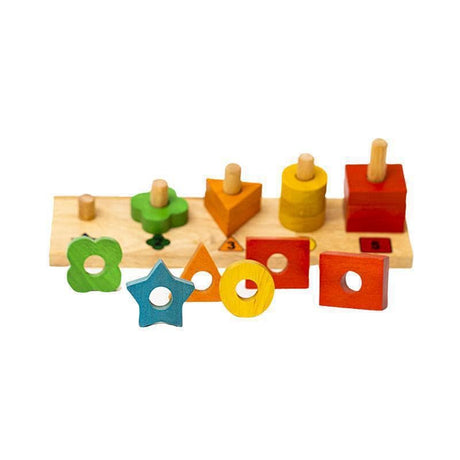
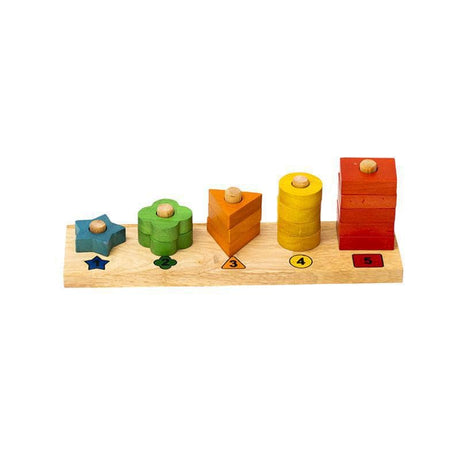
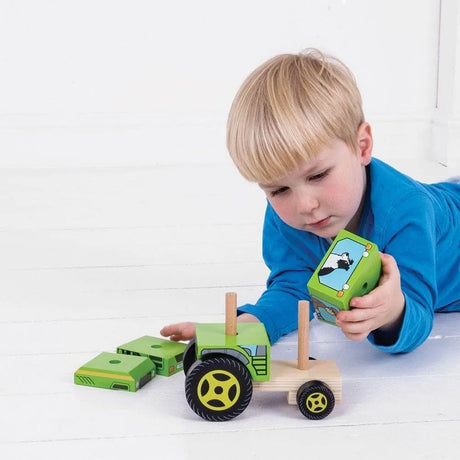
Wooden toys offer something far more valuable. They invite children to imagine, build, sort, stack, pretend and create at their own pace. That slower, calmer style of play is often where confidence, focus and creativity begin to grow.
This is why wooden toys continue to matter. Not because they look nostalgic, but because they support the kind of play that feels more open-ended, more intentional and more connected to real development.
A more thoughtful choice for everyday play
Families are often looking for more than just something new to add to the toy shelf. They want toys that feel safer, last well, and support play that is calmer, richer and more worthwhile over time.
Choosing wooden toys by age and stage
The best wooden toys are not just about age — they are about how your child is learning, moving and exploring. Choosing high-quality wooden toys in Australia is not just about style — it’s about how your child plays, learns and develops over time. As children grow, the way they play changes. The right toys support that progression naturally.The best wooden toys for kids are those that match how your child is learning at each stage.
Babies & early toddlers
At this stage, play is sensory and exploratory. Wooden toys help children learn through touch, grip and movement — supporting early motor skills and coordination.
2–3 years
Imagination begins to develop. Toys that encourage stacking, sorting and simple role play help children build confidence and early problem-solving skills.
3–5 years
Play becomes more social and creative. Open-ended toys allow children to build stories, explore ideas and interact with others in more meaningful ways.
5+ years
As learning accelerates, wooden toys can support early literacy, numeracy and structured play — while still leaving room for creativity and independence.
Start here if you’re choosing wooden toys
Choosing the right wooden toys is not about picking something that looks nice. It’s about understanding how different toys support your child’s development, what makes them safe, and which ones are actually worth bringing into your home.
Are wooden toys safe for kids?
Understand what actually makes a wooden toy safe, what to look for, and how to choose with confidence.
Read guide →How wooden toys support learning
Explore how wooden toys help with creativity, problem-solving and independent play at every stage.
Read guide →Best wooden toys in Australia
A curated guide to the most popular and practical wooden toys for families in Australia.
Read guide →Best wooden toys for babies, toddlers and kids
Find the right wooden toys based on your child’s age, stage and how they play.
Read guide →Or explore the full range: Shop wooden toys
Why more families are choosing wooden toys
Wooden toys are not just a style choice. For many families, they are a more thoughtful way to support calmer play, stronger development and better long-term value.
Are wooden toys better than plastic toys?
For many families, yes. Wooden toys often encourage more open-ended play, feel less overstimulating in the home, and tend to last longer than many plastic alternatives. Rather than doing everything for the child, they leave more room for imagination, problem-solving and independent play.
Are wooden toys safe for babies and toddlers?
High-quality wooden toys can be a very safe choice when they are age-appropriate and made with smooth finishes and child-considered materials. As with any toy, the key is choosing well-made products designed for your child’s stage and using them as intended.
Why are wooden toys good for development?
Wooden toys often support the kinds of play that matter most in early childhood — stacking, sorting, building, pretend play, coordination and independent exploration. Because they are usually less prescriptive, children tend to do more of the creative work themselves.
Are wooden toys worth the extra cost?
In many cases, yes. Well-made wooden toys often last longer, feel better in the home, and hold their play value over time. Families are not just paying for appearance — they are investing in durability, calmer play and toys that are more likely to be used well beyond the first burst of novelty.
What should I look for in a high-quality wooden toy?
Look for smooth finishes, sturdy construction, thoughtful design and a toy that matches your child’s age and stage. The best wooden toys are not just attractive — they are practical, durable and designed to support real play in everyday family life.
What age are wooden toys suitable for?
Wooden toys can suit babies, toddlers and older children depending on the design. Simple grasping, stacking and sensory toys may suit younger children, while pretend play sets, building toys and educational toys are often ideal as children grow.
How do you clean wooden toys?
Wipe wooden toys with a damp cloth and mild soap, then dry them promptly. Avoid soaking them in water, as this can affect the finish and integrity of the wood over time.
Explore Similar Collections