Kids Furniture for Playrooms, Bedrooms & Everyday Living
Create a space your child can actually use. Our kids furniture range is designed for real family life — from play and learning to meals, routines and independent moments.
-


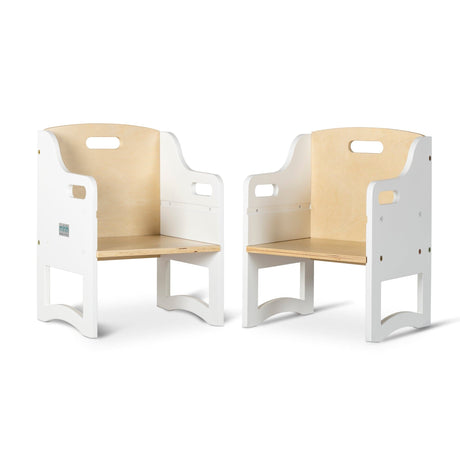
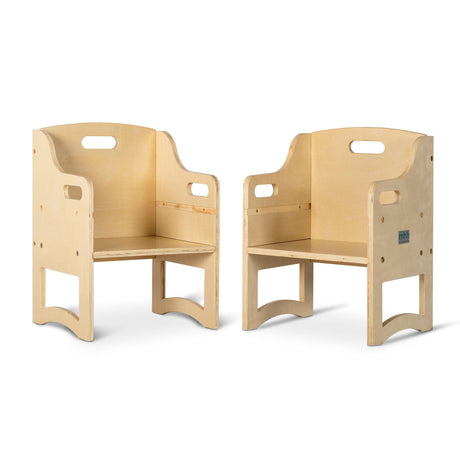
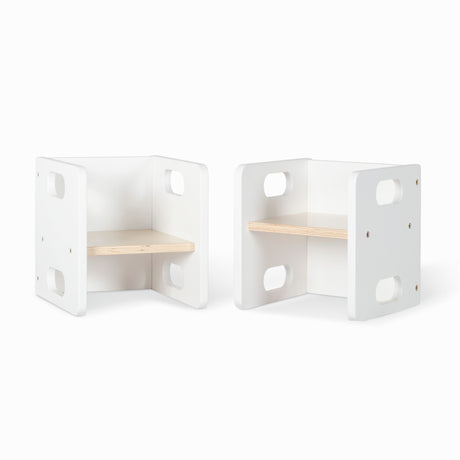
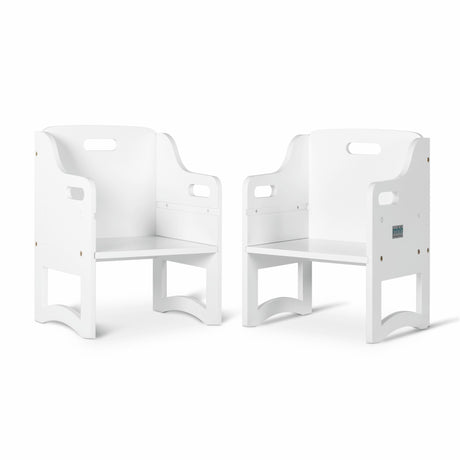
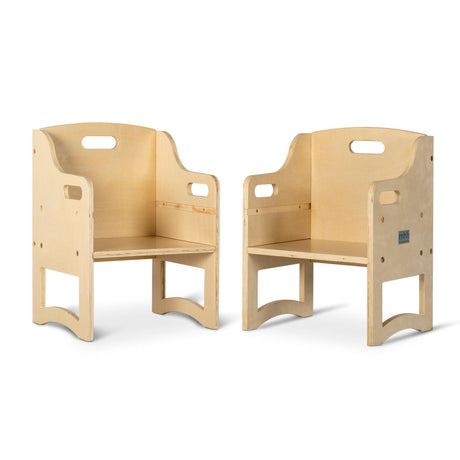
Aspire Weaning Chairs Twin Pack - White and Varnish
$139.95Unit price /Unavailable -
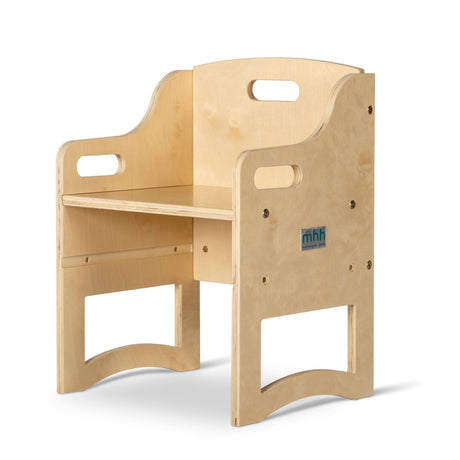
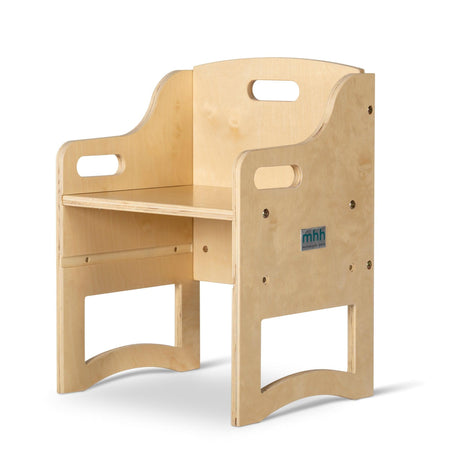
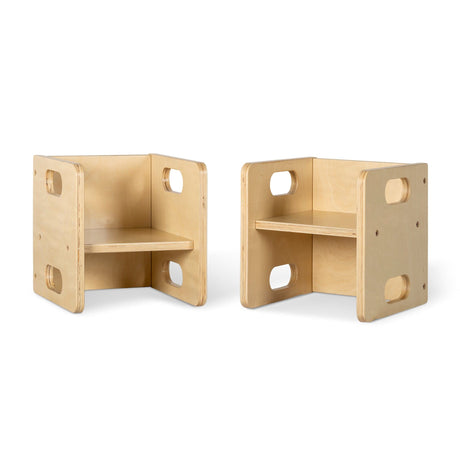
Aspire Weaning Chair Twin Pack - Varnished
$139.95Unit price /Unavailable -
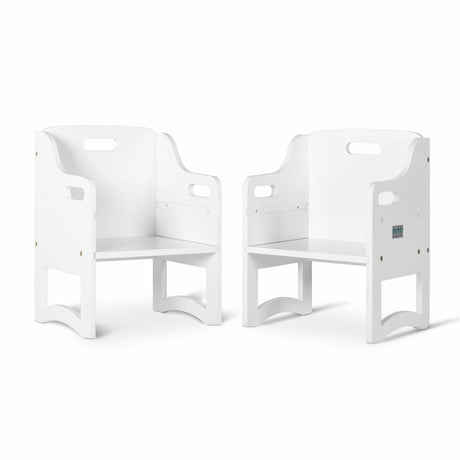
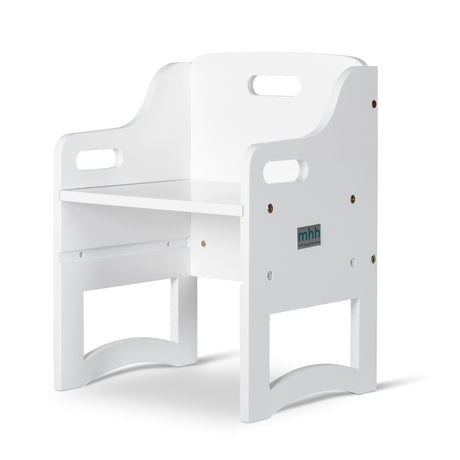
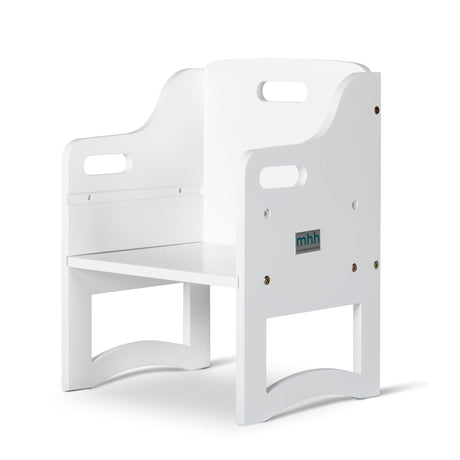
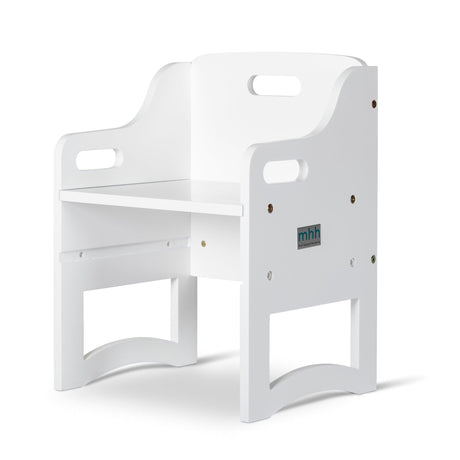
Aspire Weaning Chair Twin Pack - White
$139.95Unit price /Unavailable -
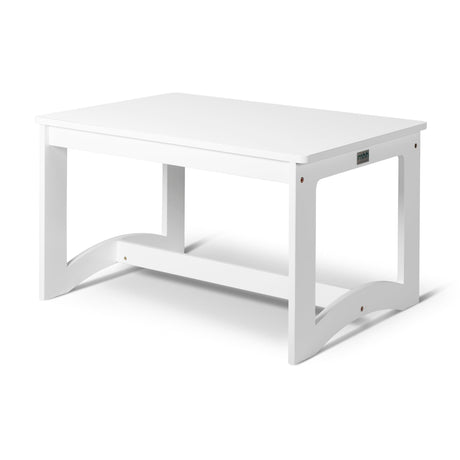
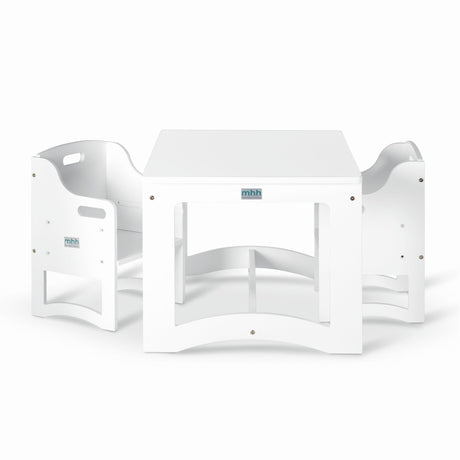
Aspire Montessori Table - White
$149.95Unit price /Unavailable -
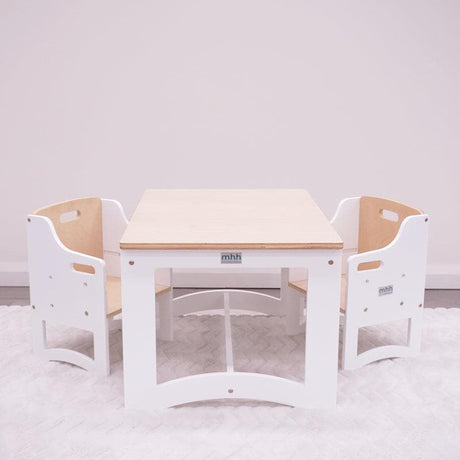
Aspire Montessori Table & 4 Chairs - White & Varnish
$379.95Unit price /Unavailable -
-
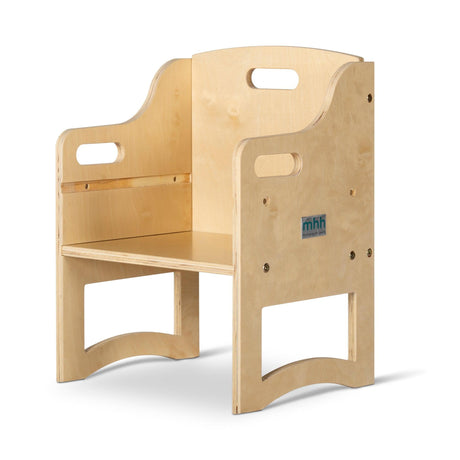
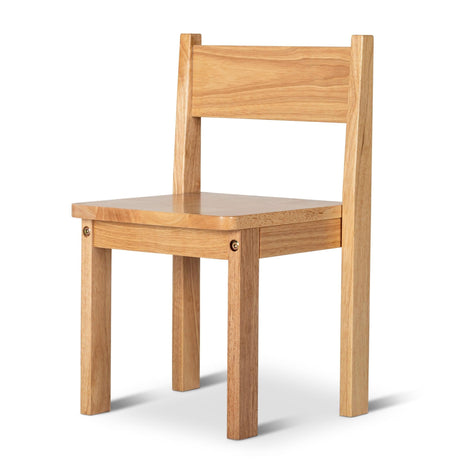
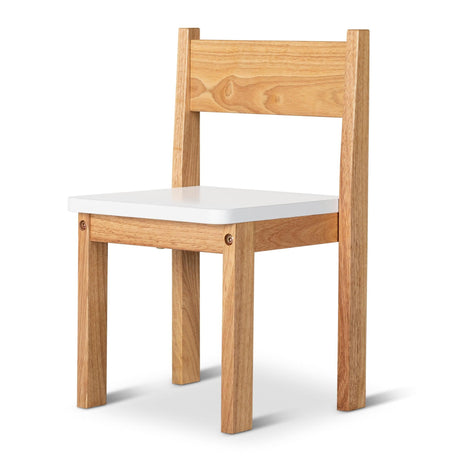
Aspire Single Chair - Varnished
$74.95Unit price /Unavailable -
$74.95Unit price /Unavailable
-
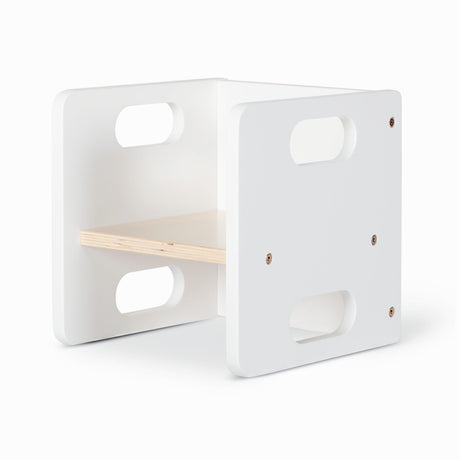
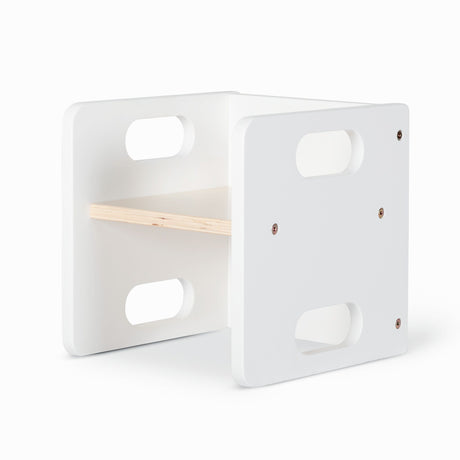
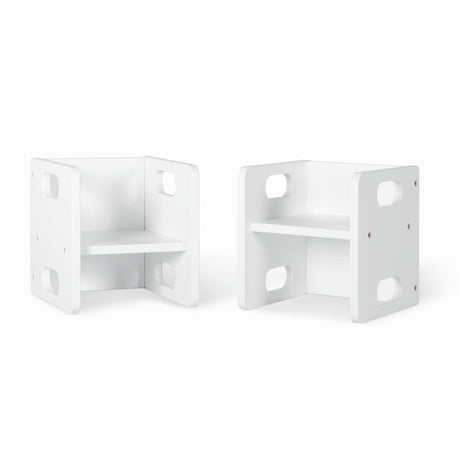
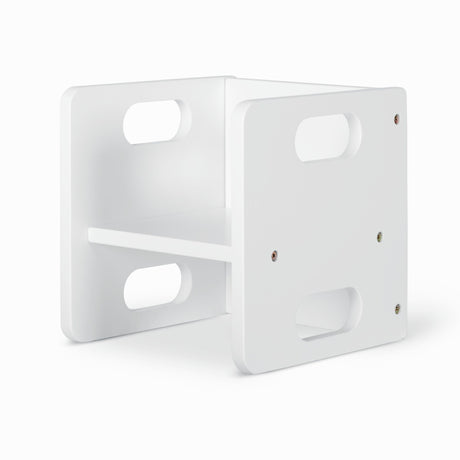
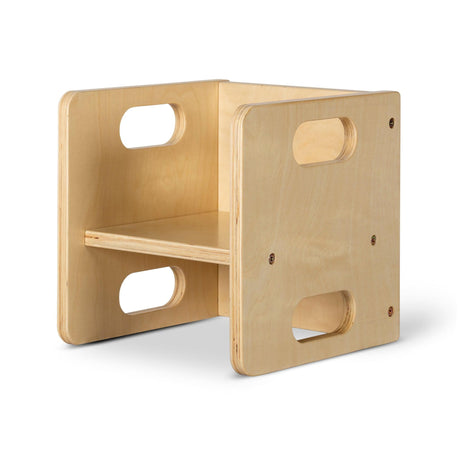
Cube Weaning Chair - White Twin Pack
$139.95Unit price /Unavailable -
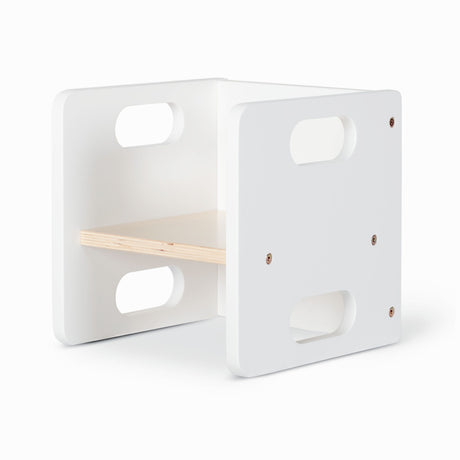
Cube Weaning Chair - White and Varnish Twin Pack
$139.95Unit price /Unavailable -
-
25% off
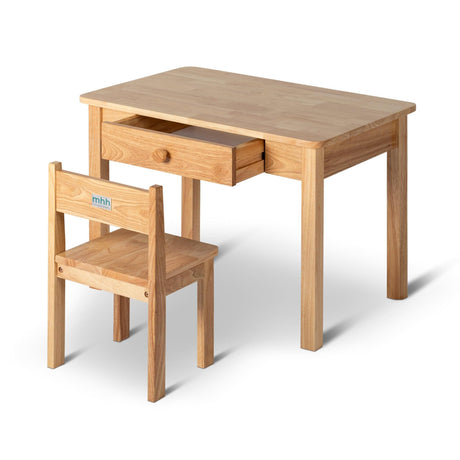
My Monti Study Table Set - Varnished
$149.95$199.95Unit price /Unavailable -
25% off
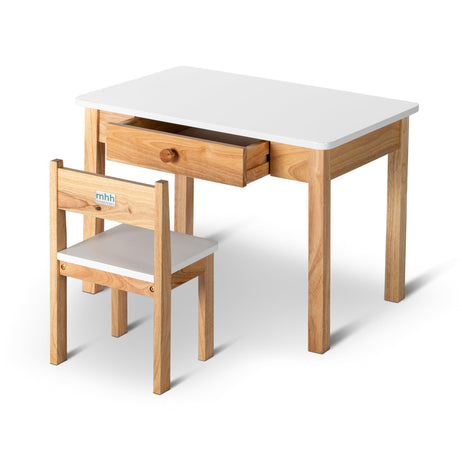
My Monti Study Table Set - White and Varnish
$149.95$199.95Unit price /Unavailable -
-
-
Combination Table & Single Chair - White
$199.95Unit price /Unavailable -
Aspire Table & 2 Chairs - Varnished
$269.95Unit price /Unavailable -
-
Aspire Montessori Table & 4 Chairs - White
$379.95Unit price /Unavailable -
Combination Table & Single Chair - Varnish
$199.95Unit price /Unavailable







How to choose the right kids furniture
The best kids furniture is not just about style. It needs to suit your child’s stage, your available space, and the way your family actually lives each day. Use this guide to narrow down what matters most before you choose.
Some pieces support play. Others support meals, drawing, reading, storage or independence in daily routines. When you start with use, it becomes much easier to choose furniture that will feel practical long after the first setup.
A child-sized table and chairs may be ideal for drawing, craft and snack time, while open shelving or toy storage may be more useful if the goal is a calmer, more organised playroom.
Small rooms often work best with fewer, better pieces rather than oversized furniture or too many functions competing in one area. Look for pieces that support the room’s purpose while leaving enough open space for movement and play.
In shared spaces, practical furniture with a clean footprint often works harder than bulky pieces that dominate the room. This is especially important in playrooms, bedrooms and open-plan living areas.
Kids furniture should feel usable from your child’s perspective. That means pieces sized for reaching, sitting, climbing or accessing without awkward strain. It should also feel stable in normal family life, where furniture gets used daily rather than admired from a distance.
Lower heights, accessible shelves and balanced construction support confidence and practical independence while helping the room function better overall.
Montessori-inspired kids furniture can be incredibly helpful when it encourages children to access their own space more naturally. Open shelves, reachable surfaces and child-sized furniture often create calmer, more functional rooms.
The key is not to force a theme. It is to choose practical pieces that genuinely support independence in a way that still suits your home, your routines and your child.
Furniture designed for how children actually live
The right kids furniture does more than fill a room — it supports independence, movement, focus and everyday routines. From low tables and chairs to accessible storage and playroom setups, each piece is designed to help children engage with their environment safely and confidently.
Many of our designs are inspired by Montessori principles, encouraging children to explore, reach and participate in daily life — but always built for real homes, real families and everyday use.
Playroom furniture
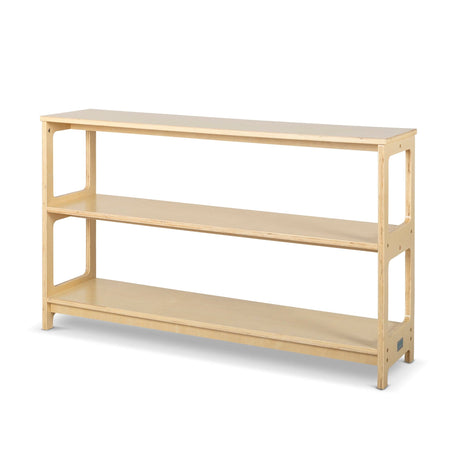
Create calm, organised spaces with accessible storage, activity tables and open-ended play setups.
Bedroom furniture
Support routines with practical pieces like bedside tables, bookshelves and child-friendly layouts.
Everyday learning & play
From drawing and crafting to mealtimes and independent play, furniture shapes how children engage daily.
Choosing kids furniture with more confidence
The right furniture can shape how children move, play, learn and participate at home. These answers are designed to help families choose pieces that feel practical, safe and genuinely useful in everyday life.
What furniture does a child actually need at home?
Most families do not need everything at once. A well-chosen setup often starts with a child-sized table and chairs, accessible storage for toys and books, and a small number of practical pieces that support daily routines. The goal is not to fill a room, but to create a space your child can comfortably use, return to and grow with over time.
How is kids furniture different from standard furniture?
Kids furniture is designed around a child’s height, reach and movement rather than scaled-down adult styling alone. Lower profiles, more accessible surfaces and child-friendly proportions make it easier for children to sit, reach, access and engage with their environment more independently. In everyday use, that often leads to spaces that feel calmer, more usable and more inviting for children.
What should I look for when choosing safe kids furniture?
Start with stability, proportion and everyday practicality. Furniture should feel balanced for normal family use, with dimensions that suit your child’s stage and routines. It also helps to choose durable materials and finishes that are made for repeated daily use, especially in busy spaces where furniture is moved, climbed on, reached for and used across different parts of the day.
What furniture works best in a playroom?
The most effective playroom furniture usually combines open storage, clear surfaces and easy access. Low shelves, toy storage, bookshelves and child-sized tables can help children choose activities more independently while also making the room easier to reset. In many homes, fewer well-chosen pieces work better than filling the room with too much furniture at once.
Does kids furniture help with independence?
Yes — when furniture is designed at the right height and scale, children can participate more naturally in everyday activities. Sitting at a table, accessing books, helping to pack away toys or reaching what they need without constant adult assistance can all support confidence, autonomy and practical life skills over time.
What furniture is best for a small playroom?
In smaller playrooms, it usually works best to choose fewer pieces with a clear purpose. Low storage, compact bookshelves and a child-sized table can create a room that feels open, organised and easier to use without becoming crowded. Leaving enough floor space for movement and open-ended play is often just as important as the furniture itself.
What is Montessori-style kids furniture?
Montessori-style kids furniture is designed to be more accessible from a child’s perspective. This often includes lower tables, open shelving and child-sized pieces that allow children to use their environment more independently. Many families choose Montessori-inspired furniture because it supports practical access and calmer room flow, even if they are not following a strict Montessori setup at home.
Can Montessori-inspired furniture still work in a modern family home?
Yes. Montessori-inspired furniture often works best when it is used practically rather than rigidly. Child-sized tables, lower shelving and accessible storage can suit a wide range of homes because they support independence while still feeling functional, calm and easy to live with. The best approach is usually to borrow the principles that genuinely improve how your home works day to day.