Click & Collect or 24hr Dispatch*

Threading Toys for Skill Development

Threading & Lacing Toys for Toddlers

Threading and lacing toys build the hand control children need for real-life skills like dressing, drawing and early writing. The key is choosing the right level — simple enough to succeed, but challenging enough to build coordination.


The Easiest Way to Start Building Hand Control

If your child struggles with buttons, pencils or controlled hand movements, this is one of the most effective places to start. The right threading toy builds confidence first — and skill follows naturally.

They Build Real Hand Control

Threading forces children to grip, guide and coordinate both hands together — the exact movements needed for buttons, zips and holding a pencil.

They Slow Play Down (In a Good Way)

Unlike fast, noisy toys, threading requires focus. This leads to longer engagement and more meaningful skill development.

They Create Visible Progress

Parents can actually see improvement — from struggling to thread, to smooth, controlled movement. This makes them one of the few toys that clearly build skill over time.

Start Simple. Build Skill.

Start Here — Then Build Skill

Choosing the wrong level is the fastest way to waste money. Start with what your child can succeed at — then build from there.

If your child is just starting

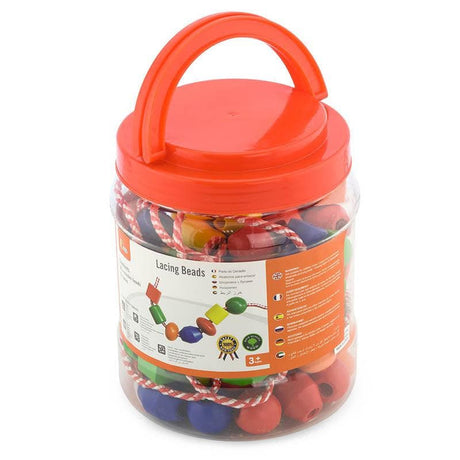
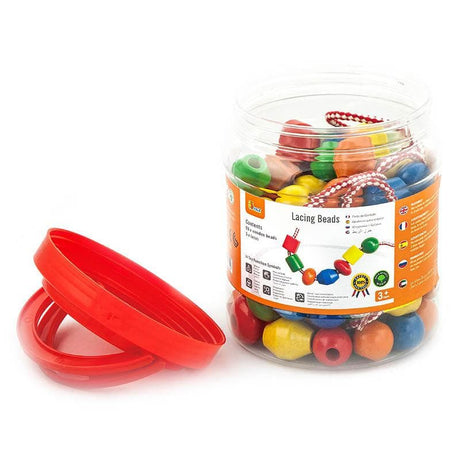
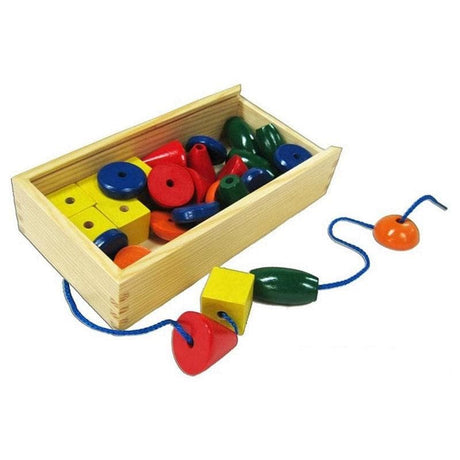
  • Choose large, chunky threading sets Look for stiff laces that are easy to guide Focus on success, not complexity

If your child is ready for more control

  • Choose lacing boards or smaller threading sets Look for patterns or sequencing Focus on precision and independence
When threading feels easy and smooth, that’s your signal to move to the next level.

Designed for Real Use — Not Frustration

Sized for small hands to grip and control

Laces designed to hold shape (not collapse)

Durable materials that withstand repeated use

Clear progression from beginner to advanced

Start with Success — Then Build Real Skill
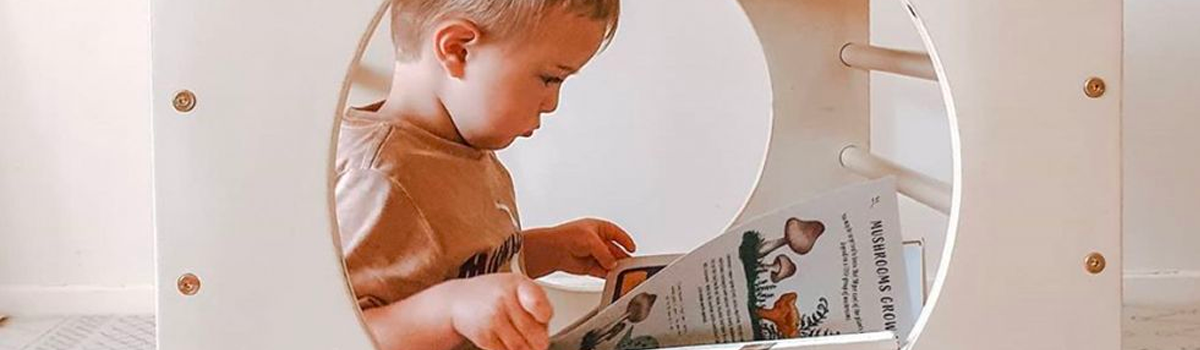
The right threading toy isn’t about keeping your child busy — it’s about helping them succeed. When they can grip, guide and control movement confidently, everything else becomes easier — from dressing to drawing to early writing. Start simple, let them master it, then build from there.

Frequently asked questions

Everything You Need to Know About Threading Toys Before You Buy

Do threading toys help with school readiness?

Yes. They build the control needed for writing, cutting and managing everyday classroom tasks.

Why do some threading toys get ignored?

Usually because they’re too difficult. If a child can’t succeed quickly, they disengage.

What’s better — beads or lacing boards?

Beads are better for beginners. Lacing boards require more control and are better once basic threading is mastered.

What skills do threading toys actually develop?

Grip strength, hand-eye coordination, and the ability to use both hands together — all essential for real-life tasks.

How do I choose the right threading toy?

Start with the simplest option your child can succeed at. If it feels too easy, move up. If they struggle, step back.

What age should a child start threading toys?

Most children can start from around 2 years old with large, simple threading sets. More detailed options suit ages 3–5.

Are threading and lacing toys worth it for toddlers?

Yes. They directly build the hand control needed for everyday tasks like dressing and early writing — not just play.