Click & Collect or 24hr Dispatch*
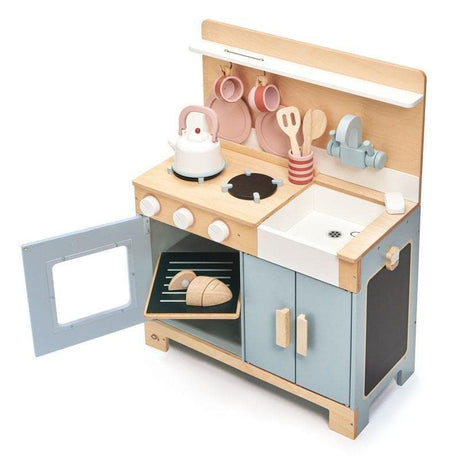
Understanding Play Kitchens

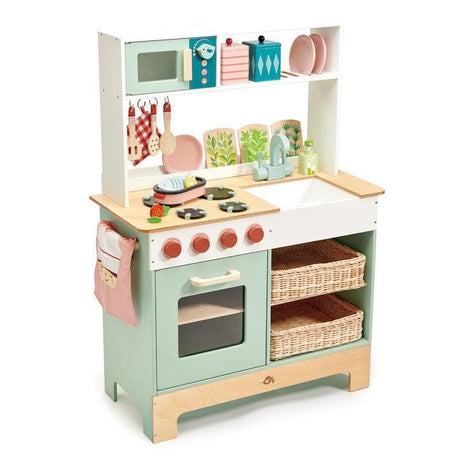
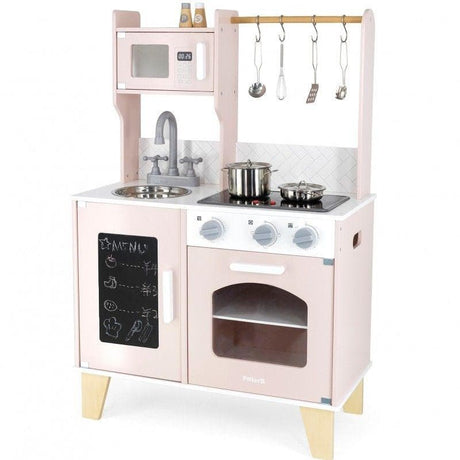
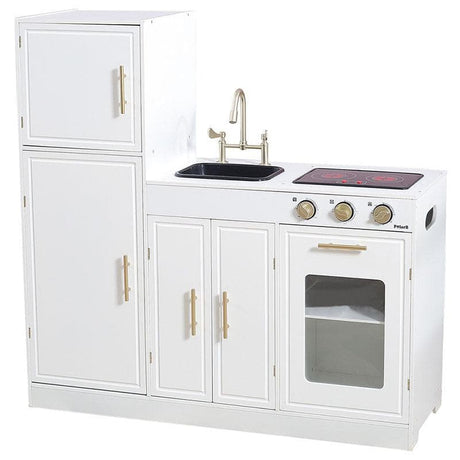
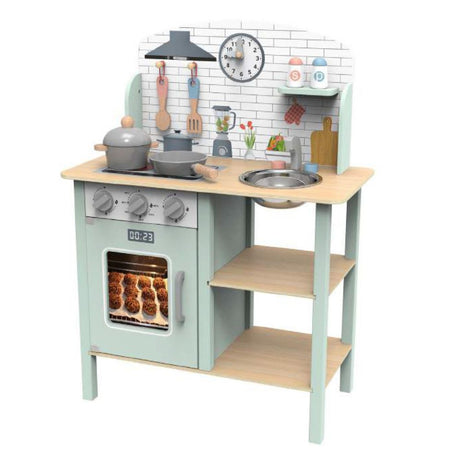
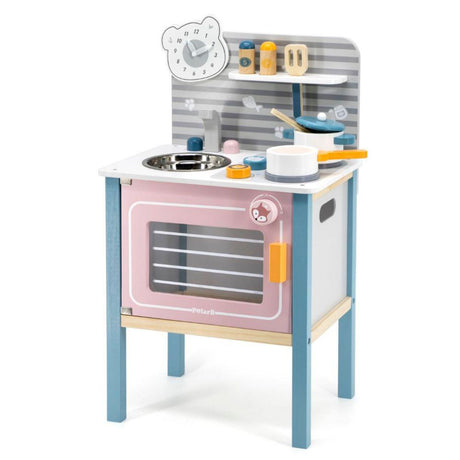
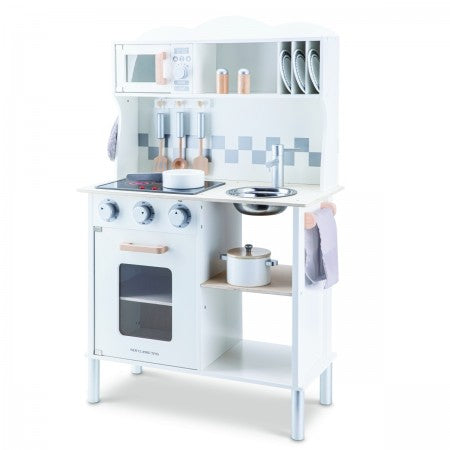
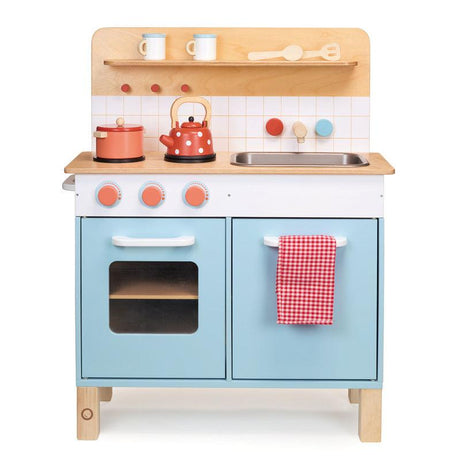
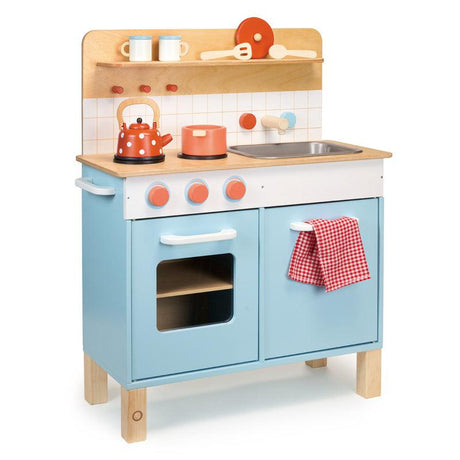
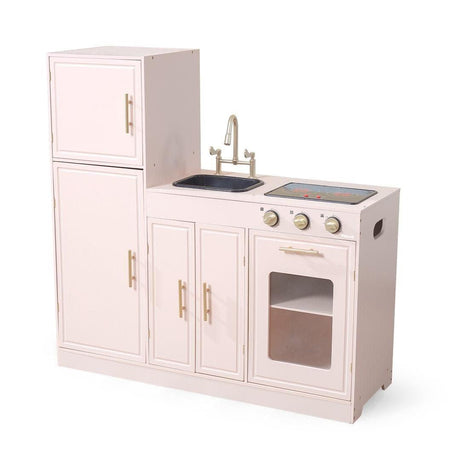
Play Kitchens That Let Them Copy You — Without Getting Underfoot

If your child is always by your side in the kitchen — watching, copying, wanting to help — you’re not alone.

For many children, the kitchen is where everything is happening. And play kitchens give them a way to step into that world in their own space, through pretend play that feels familiar and meaningful.

From pouring and mixing to preparing food and setting up their own routines, play kitchens support the kind of play children naturally come back to — because it reflects real life.

That’s why the right play kitchen isn’t just another toy. It’s something they use daily, building confidence, independence and engagement through play that actually feels relevant to them.


Designed for Real Kitchen Moments

Choosing a Play Kitchen That Actually Works at Home

Not all play kitchens get used the same way. Some become part of everyday routines. Others get ignored after a week. The difference isn’t the product — it’s how well it fits your child, your space, and how your family actually lives. This page helps you choose a setup that feels natural, engaging, and genuinely useful in your home.
Small space friendly Calm, focused play Independent play support Real-life routines Grows with your child

Built for real-life imitation

Encourages longer play sessions
Designed for calm, focused play
Safe, tactile and durable materials

Designed for Early Development

Supports natural learning through touch, movement and gentle sensory interaction.

Calm, Not Overstimulating

Simple toys that engage your baby without overwhelming their senses.
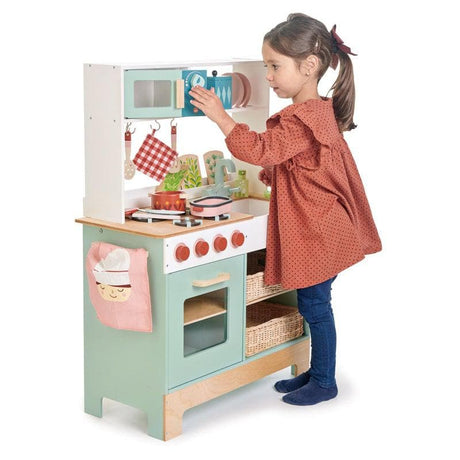
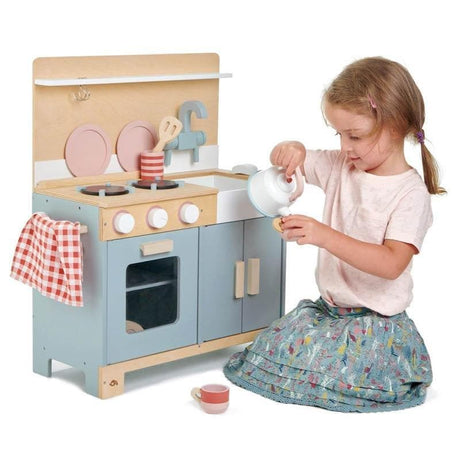
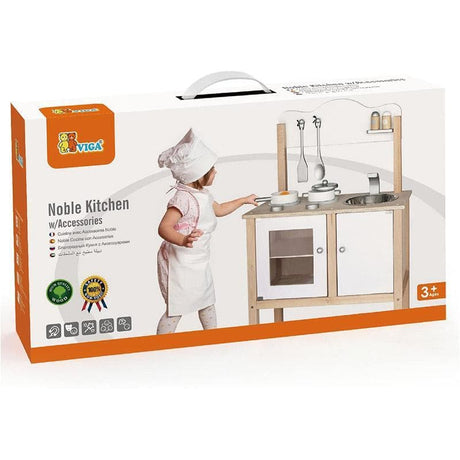
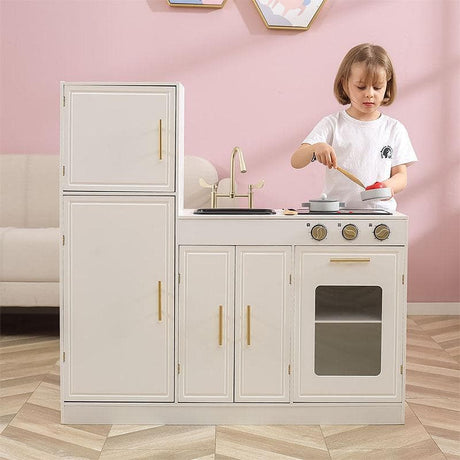
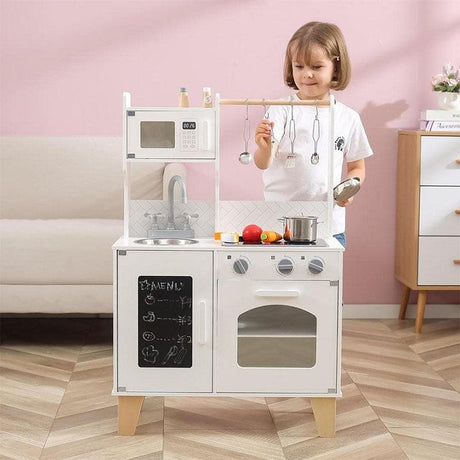
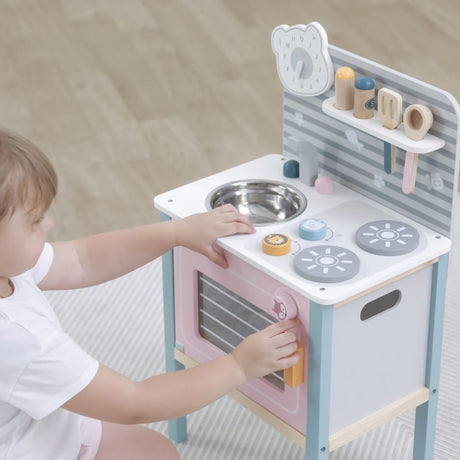
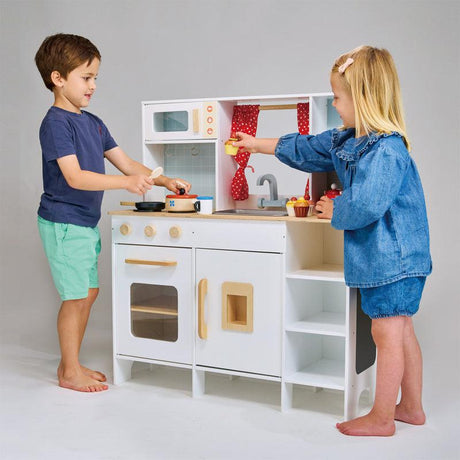
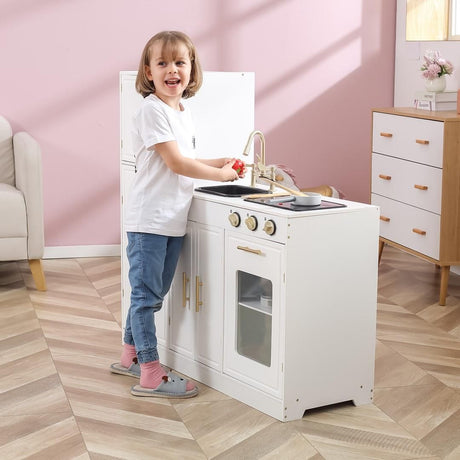
3year old cooking in play kitchen
Real-life imitation builds lasting play
More than just a toy

Why Some Play Kitchens Get Used — And Others Don’t

The play kitchens that actually work are the ones that mirror real life. When children can copy what they see you doing — cooking, preparing, cleaning — they stay engaged for longer and return to it naturally. It becomes part of their routine, not just something new.
Creating a Setup That Actually Gets Used
Simple setups often work best
Built for everyday use

Creating a Setup That Actually Gets Used

A play kitchen on its own is just a starting point. The setups that work best combine space, realism and the right level of detail — enough to keep your child engaged, but not so much that it becomes overwhelming. The goal isn’t more toys. It’s better play.
Guidance for real homes

Making Play Kitchens Work in Everyday Life

If you’re not sure where to start, these guides walk you through how to set up, choose, and use a play kitchen in a way that actually works for your family.
Everything That Works With Your Play Kitchen

These collections help extend play, support independence, and create a more complete, engaging setup.

Helping you choose with confidence
How to Choose the Right Play Kitchen Setup

The best choice isn’t the biggest or most detailed — it’s the one that fits your child, your space, and how your home actually runs.

Start with this

  • Choose a size that fits your space
  • Start simple and build over time
  • Focus on realistic play, not features
  • Think about daily use, not occasional play

Avoid this

  • Overly complex setups
  • Too many accessories at once
  • Choosing based on looks only
  • Ignoring how your child actually plays
The goal isn’t more — it’s a setup your child will return to, day after day.
Frequently asked questions

Questions parents often ask

What if I don’t have much space?

Look for more compact kitchen designs or start with a smaller setup and build gradually. You don’t need a full kitchen to get the benefit — even a simple, well-chosen setup can create meaningful, repeatable play.

Is a play kitchen better than a learning tower?

They serve different roles. A play kitchen supports independent, parallel play while you’re cooking. A learning tower allows direct participation in real tasks. Many families find the best balance is having both — one for independence, one for real involvement.

Do I need accessories straight away?

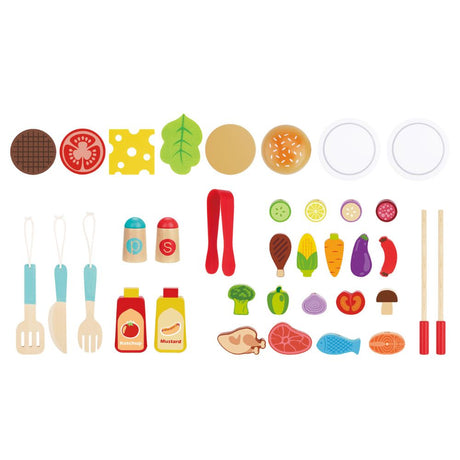
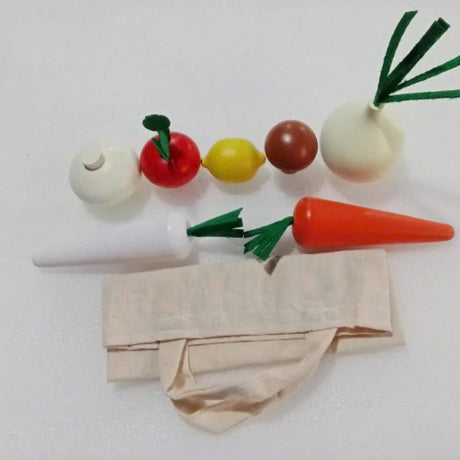
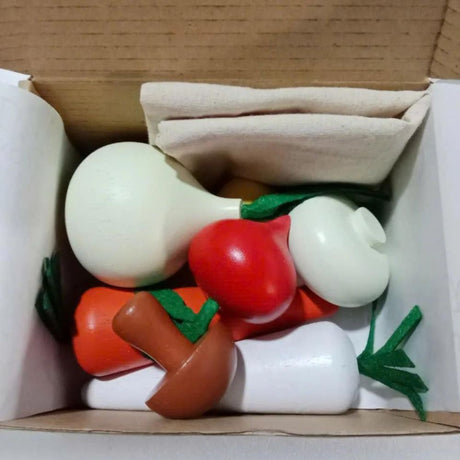
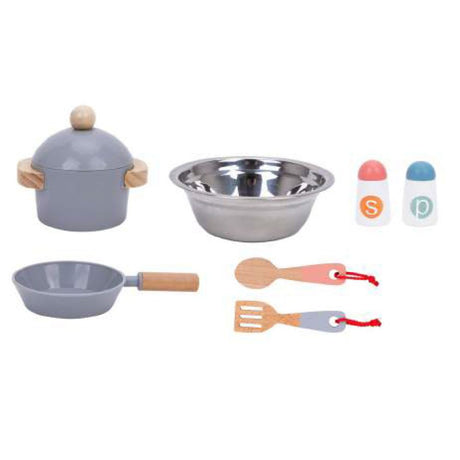
Not necessarily, but most children engage more deeply when they have something to “do.” Even a small set of wooden food or a simple baking set can make a big difference in how long they stay engaged and how often they return to play.

Will my child actually use a play kitchen long-term?

That depends less on the kitchen itself and more on how it’s set up. Kitchens that mirror real-life routines — with food, tools and familiar actions — tend to be used repeatedly. Simple, realistic setups usually outperform highly complex ones.

What age is a play kitchen actually suitable for?

Most children start showing interest from around 18 months, but play kitchens are most actively used between 2–5 years. The key isn’t age alone — it’s whether your child is copying what you do in the kitchen. If they’re watching, imitating, or wanting to help, they’re ready.