-


-
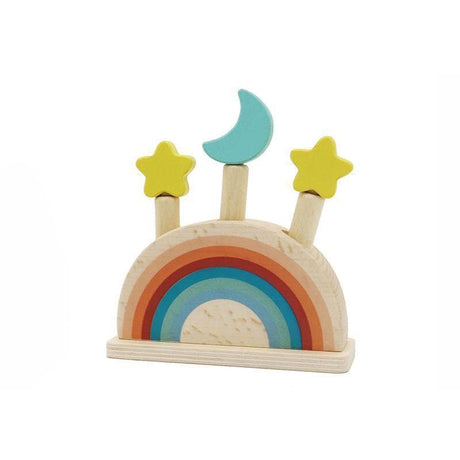
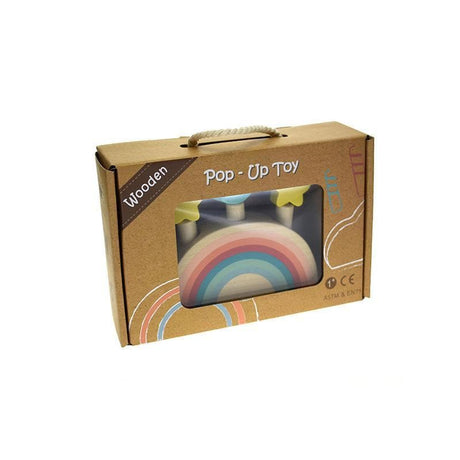
Calm and Breezy Pop Up Toy Rainbow
$26.95Unit price /Unavailable -
 $11.95Unit price /Unavailable
 -
Sold out
-

-
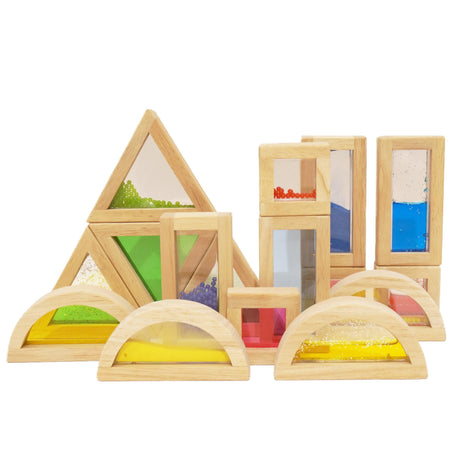
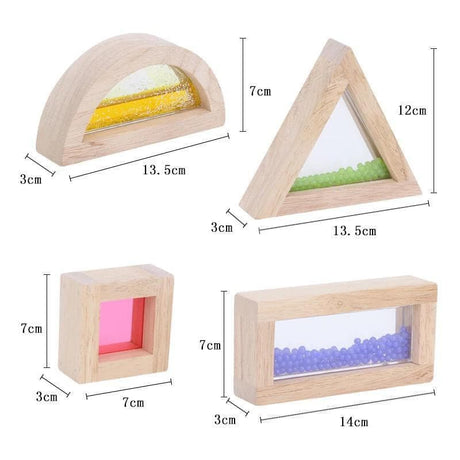
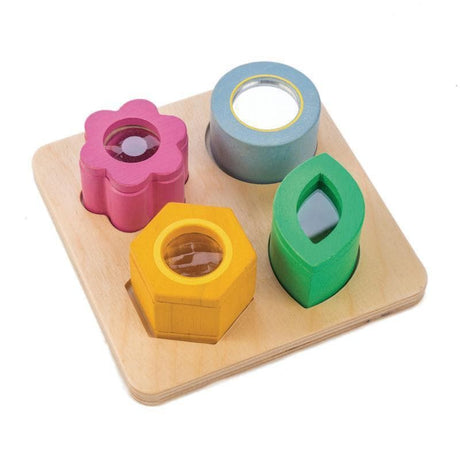
Sensory Sound Blocks for Toddlers
$59.95Unit price /Unavailable -
-
-
-
-
$19.95Unit price /Unavailable
-
-
-
50% off$29.95
$59.95Unit price /Unavailable -

 $39.95Unit price /Unavailable
 -
$39.95Unit price /Unavailable
-
$52.95Unit price /Unavailable
-
$99.95Unit price /Unavailable
-
From $39.95Unit price /Unavailable
-
From $39.95Unit price /Unavailable
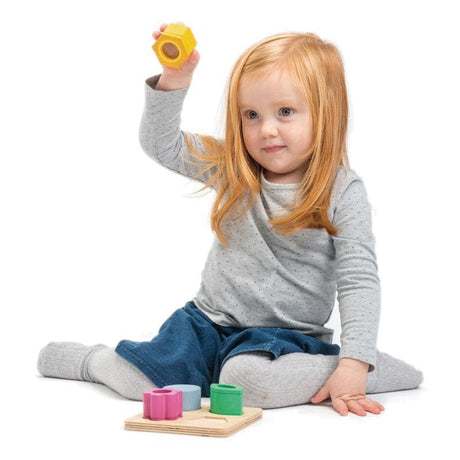


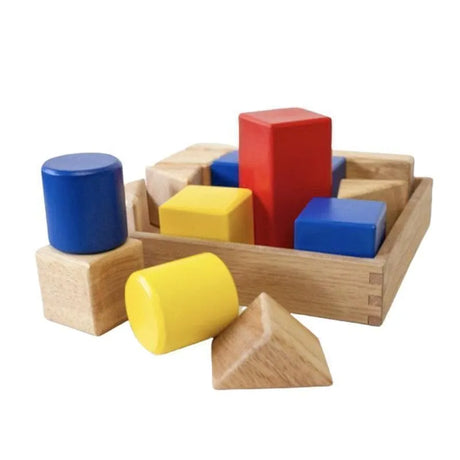
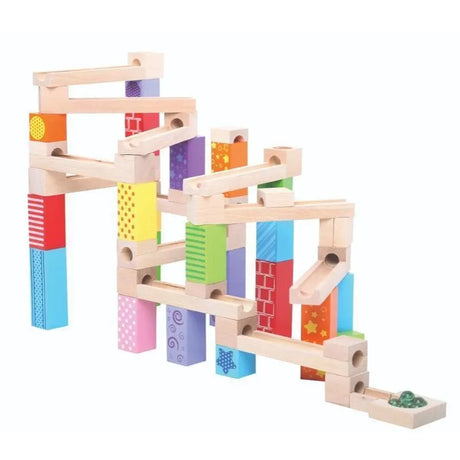
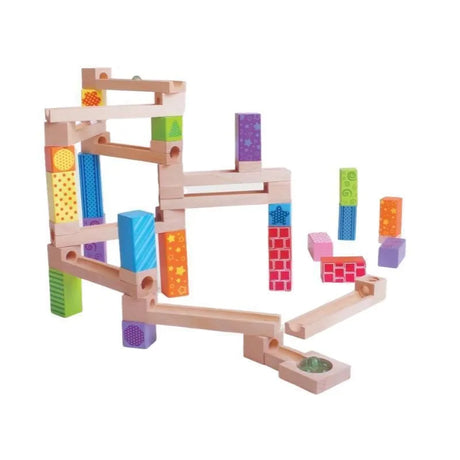
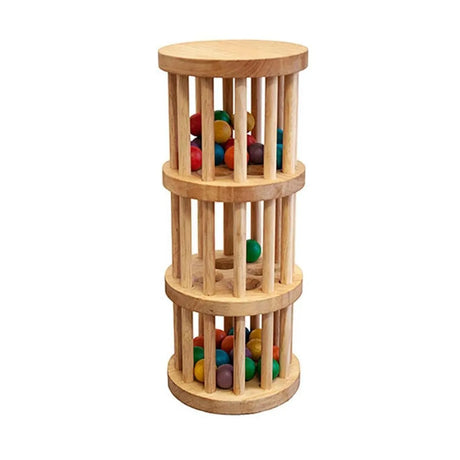
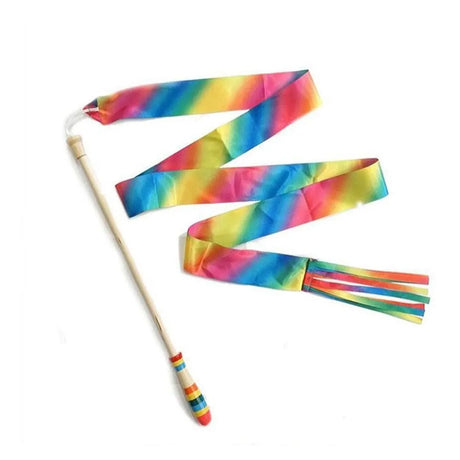
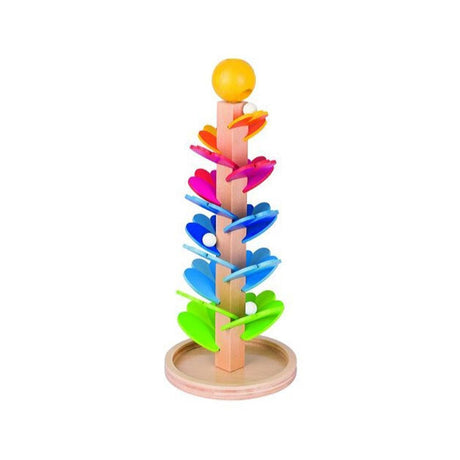
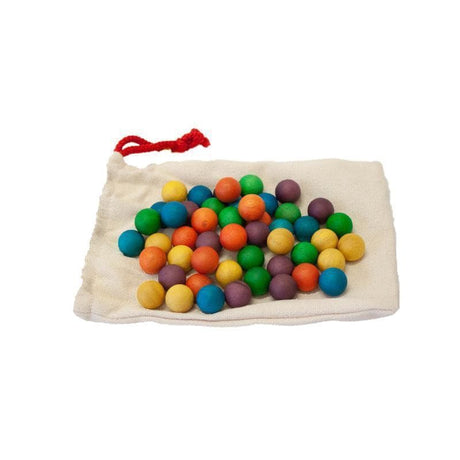
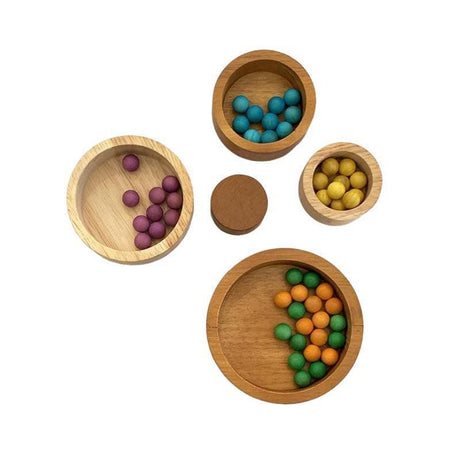
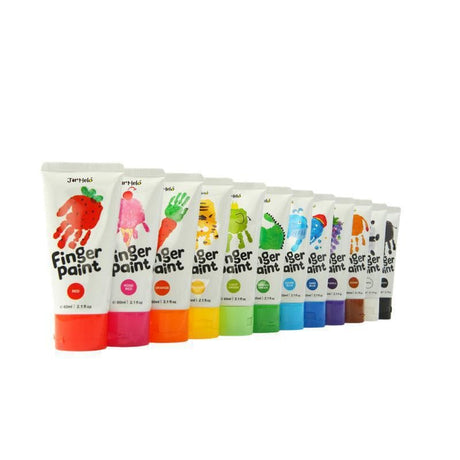
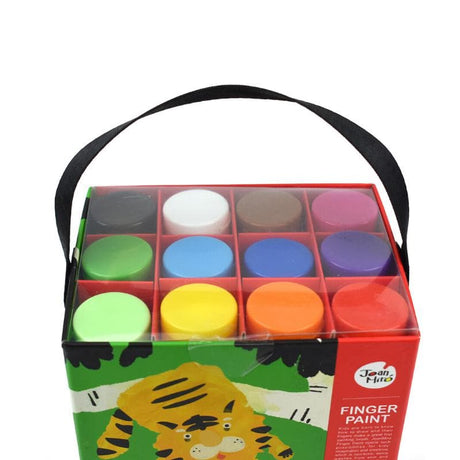
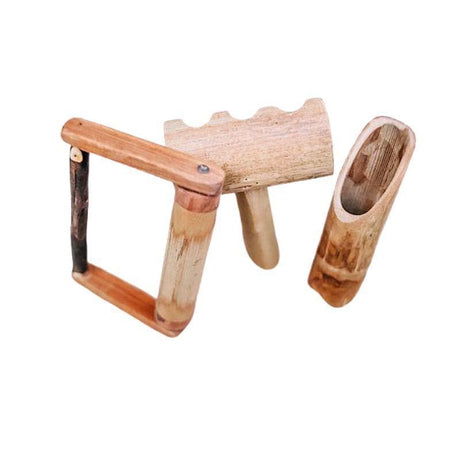
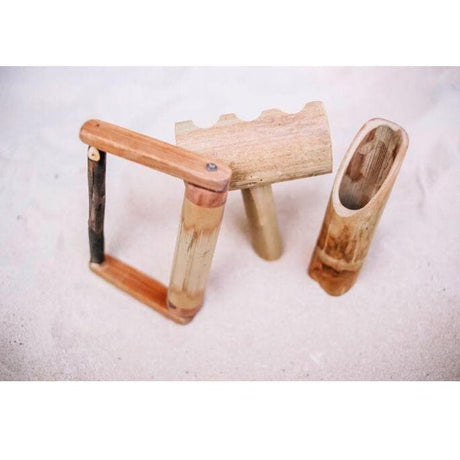
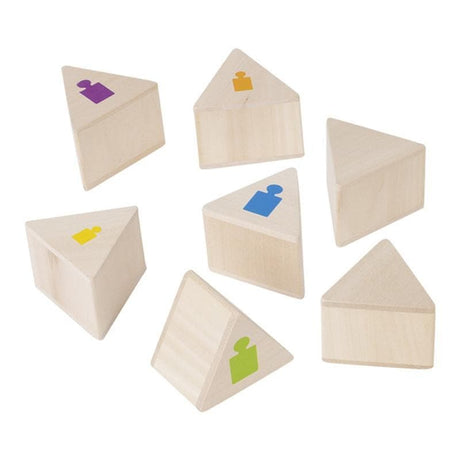
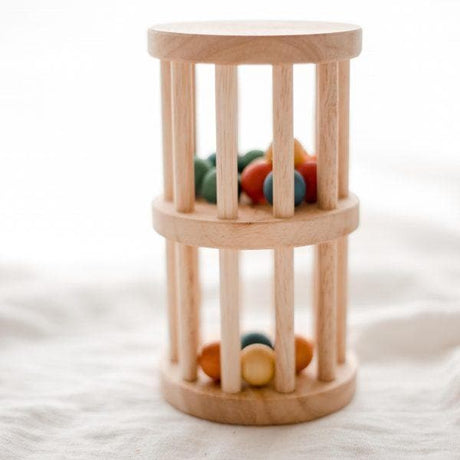
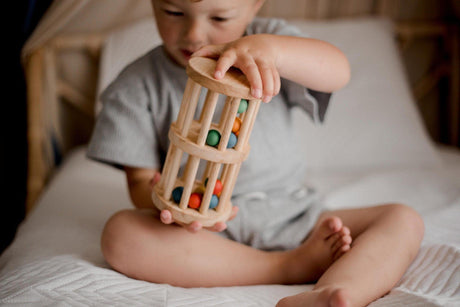
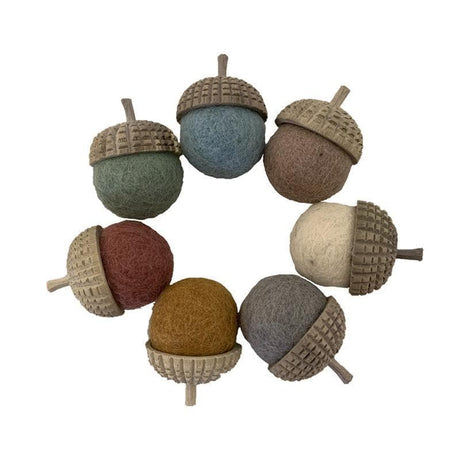
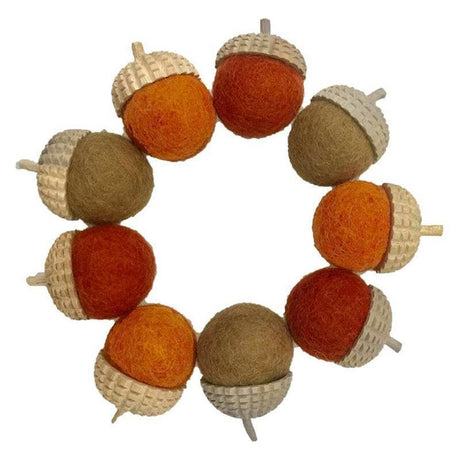
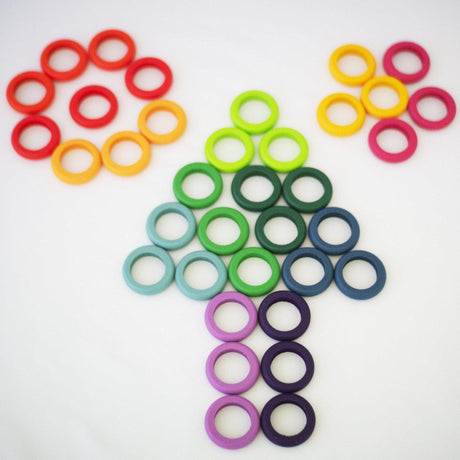
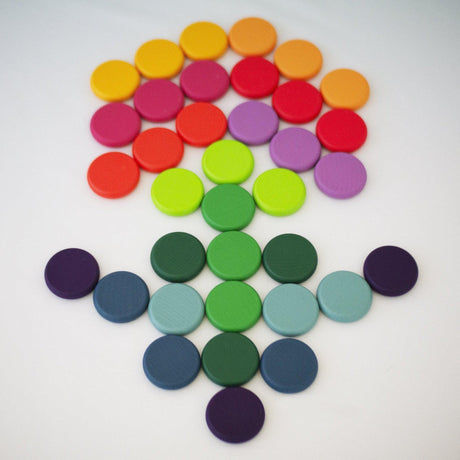
What are sensory toys?
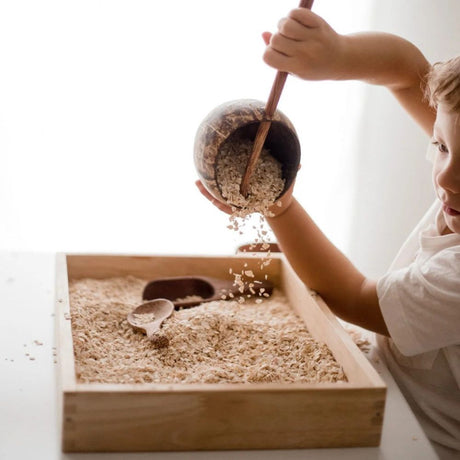
Sensory toys are designed to engage one or more of a child’s senses through play. They can support exploration, movement, focus, calm and development, while also making everyday play feel more meaningful and responsive to the child using them.
For some families, sensory toys are simply a beautiful way to encourage hands-on learning and curiosity. For others, they can play a more important role in supporting regulation, comfort, attention and confidence throughout the day.
If you already know the type of support you are looking for, you can browse more directly through our Sensory Toys for Autism, Calming Sensory Toys, Baby Sensory Toys and Sensory Fidget Toys collections.
Find the right sensory toys for your child
Different children seek different kinds of sensory input. Some are drawn to movement and active engagement, while others respond best to quieter, more calming forms of play.
Sensory support for everyday needs
Explore toys selected to support a wide range of sensory preferences, engagement styles and everyday routines.
Browse autism supportSupport quieter, more regulated moments
Discover calming sensory toys designed to encourage gentler input, regulation and more settled play.
Shop calming toysHands-on toys for engagement and movement
Ideal for children who like to keep hands busy, seek sensory input or benefit from active focus tools.
Explore fidget toysHow to choose sensory toys
The best sensory toy is rarely the loudest or the most complex. It is the one that matches the child’s needs, stage and way of engaging with the world. Some children seek movement, texture and active exploration. Others respond more positively to toys that feel predictable, repetitive or calming.
Starting with the need is usually more useful than starting with the product. That is why we recommend exploring by purpose first, whether you are looking for regulation support, focus tools, early sensory play or more practical everyday sensory support.
If calm play is your priority, browse our Calming Sensory Toys collection. If you are looking for more portable options, our Sensory Fidget Toys collection is a helpful next step.
Sensory play changes as children grow
Babies and younger toddlers often enjoy simpler sensory experiences such as texture, sound, colour and movement. As children grow, sensory play can become more purposeful, supporting focus, emotional regulation, problem solving and more independent engagement.
If you are shopping for younger children, explore our Baby Sensory Toys collection for early developmental play and first sensory experiences.
If you are looking for toys aligned with funded support, our NDIS Approved Toys and Learning Resources page is a helpful place to start. For children needing more specialised support, you can also browse our Sensory Toys for Autism collection.
This broader Sensory Toys collection is designed as your starting point for comparing needs, styles and play types across the category.
Read our sensory toy guides
These guides are designed to help parents and carers choose more confidently, understand the role of sensory play and explore the category in a clearer, more practical way.
Best Sensory Toys (2026 Guide)
A broad guide to choosing high-quality sensory toys for different needs and play styles.
Read the guide Parent guideWhat Are Sensory Toys?
A clear introduction to what sensory toys are and why families choose them.
Read the guide By ageSensory Toys by Age
A practical guide to choosing sensory toys for babies, toddlers and older children.
Read the guide Autism supportHow to Choose Sensory Toys for Autism
Helpful guidance for choosing sensory toys around individual preferences and support needs.
Read the guide CalmingCalming Sensory Toys for Anxiety
Explore quieter sensory tools that can support more settled moments and emotional regulation.
Read the guideHelpful answers before you shop
What are sensory toys used for?
Sensory toys are used to engage one or more senses through play. Depending on the child and the toy, they may support exploration, regulation, focus, comfort, movement and developmental engagement.
Are sensory toys helpful for autism?
They can be, depending on the individual child’s preferences and sensory needs. Many families explore sensory toys for autism as a way to support engagement, comfort, regulation and more responsive play experiences.
What age are sensory toys suitable for?
Sensory toys can be suitable from infancy through to older children, depending on the product. Babies often respond to simple sensory exploration, while older children may benefit from more purposeful toys for focus, calming or active engagement.
Can sensory toys help with calm and regulation?
Some sensory toys can support calmer moments by offering predictable and soothing input. Our Calming Sensory Toys collection is a good place to start if that is your focus.
Do you offer NDIS-friendly options?
Yes. You can browse our dedicated NDIS Approved Toys and Learning Resources page for products selected to support families and carers shopping through funded plans.
How do I choose the right sensory toy?
Start by thinking about the child’s needs and preferences. Some children seek movement and interaction, while others respond better to calming, repetitive or tactile input. Exploring by category is often the easiest place to begin.