-

-
$194.95Unit price /Unavailable
-

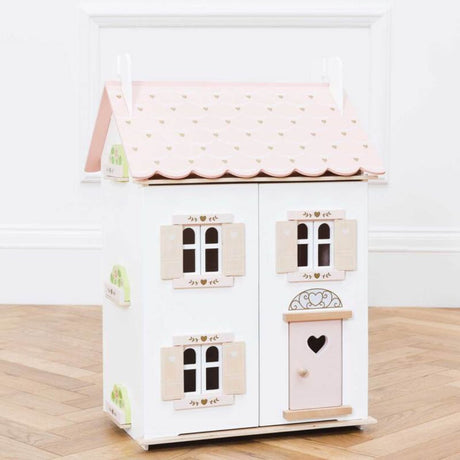
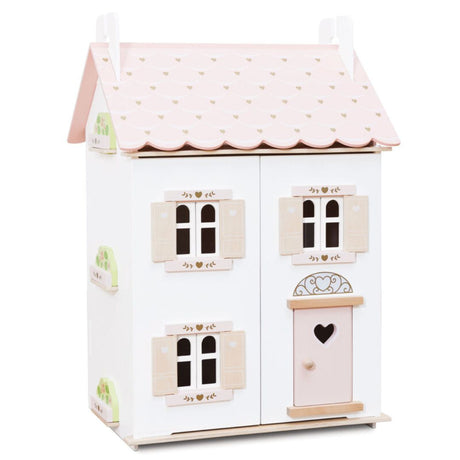
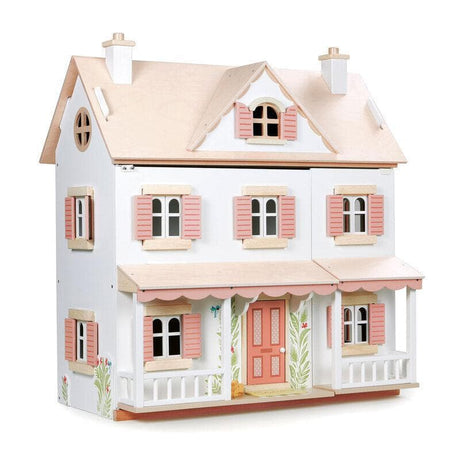
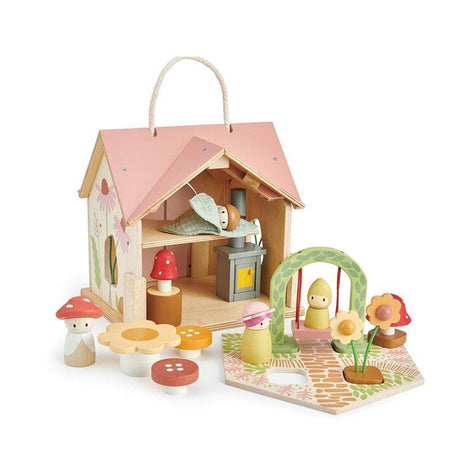
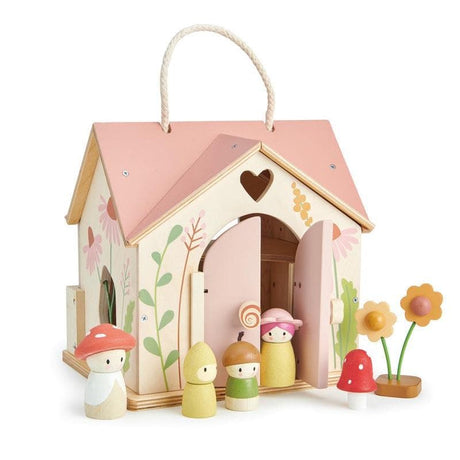
Daisylane Rose Heart Doll House
$249.95Unit price /Unavailable -
-
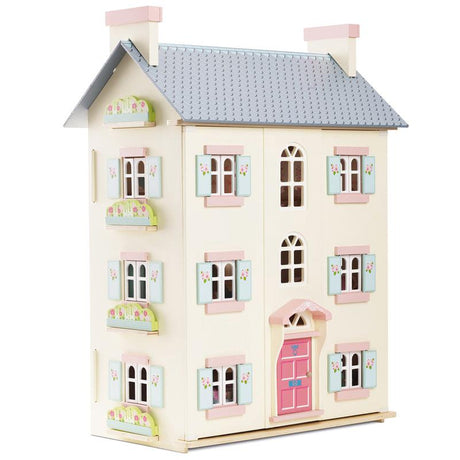
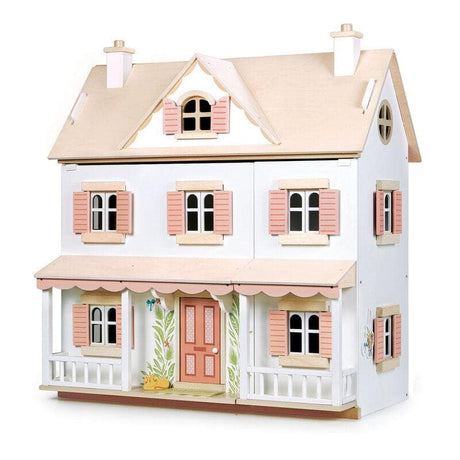
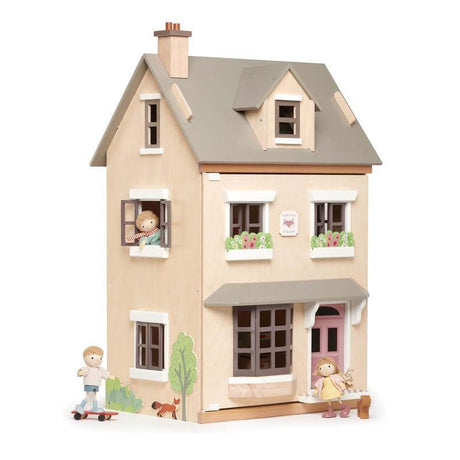
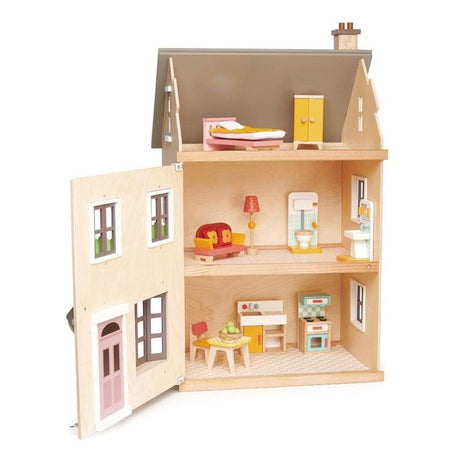
Daisylane Cherry Tree Hall Doll House
$449.95Unit price /Unavailable -
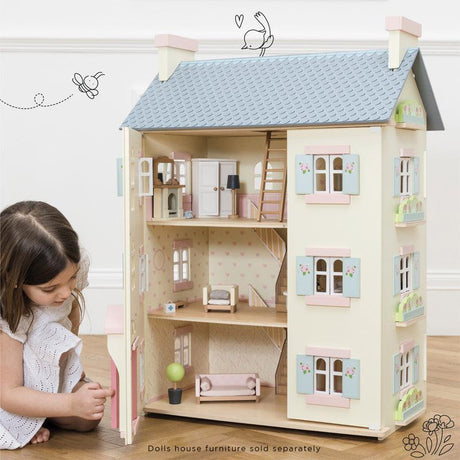
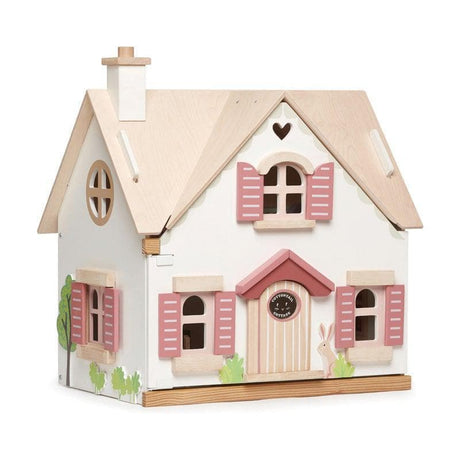
Daisylane Mayberry Manor - Doll House
$349.95Unit price /Unavailable -
$359.00Unit price /Unavailable
-
$239.95Unit price /Unavailable
-
$374.95Unit price /Unavailable
-
$149.95Unit price /Unavailable
-
$199.95Unit price /Unavailable
-
40% off
-
$119.95Unit price /Unavailable
-

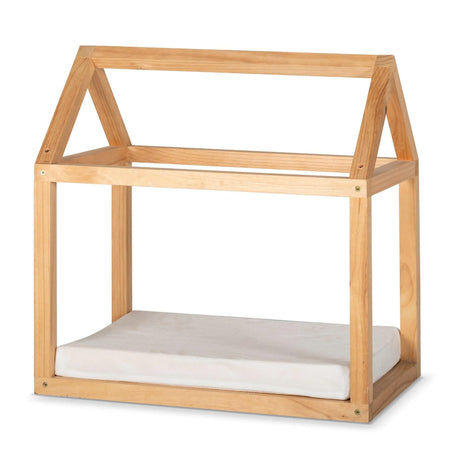
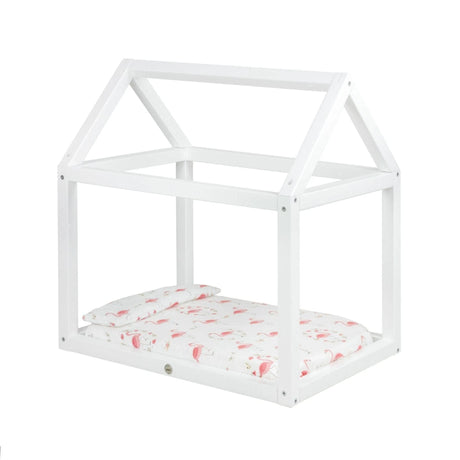
![Casa Wooden Doll House Bed - PINE]() Up to 57% off
Up to 57% off -
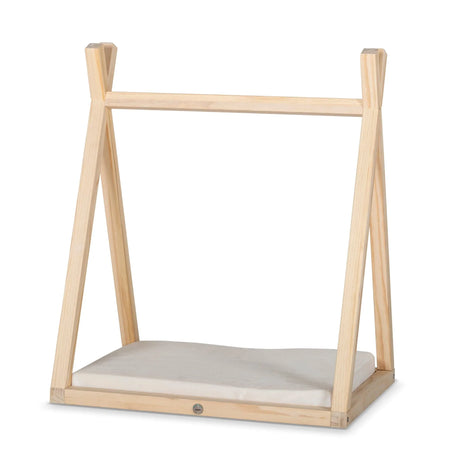
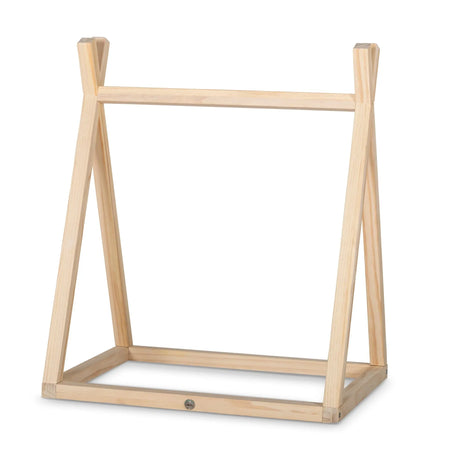
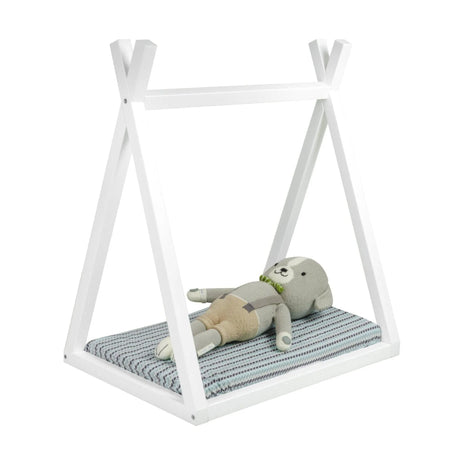
![Monte TeePee Doll Bed]()
![Monte TeePee Doll Bed]() Up to 50% offFrom $29.95
Up to 50% offFrom $29.95$59.95Unit price /Unavailable -
-
$89.95Unit price /Unavailable
-
$74.95Unit price /Unavailable
-
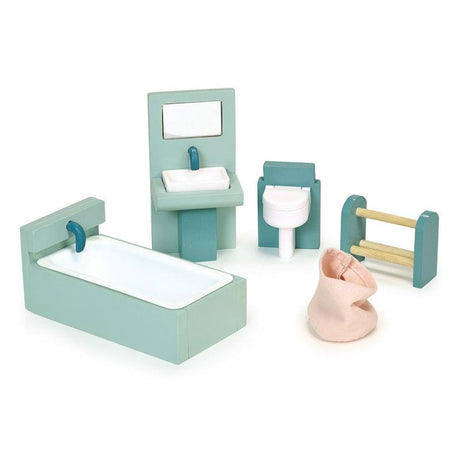
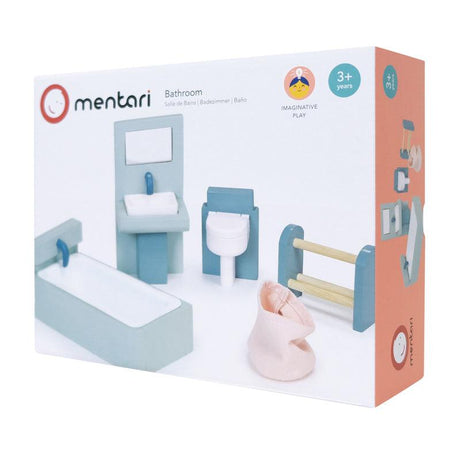
Mentari Bathroom Furniture Set
$34.95Unit price /Unavailable -
$42.95Unit price /Unavailable
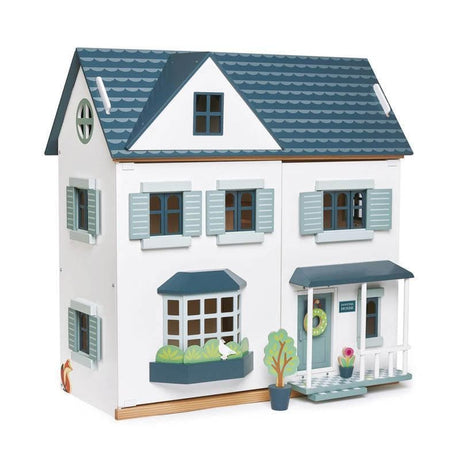
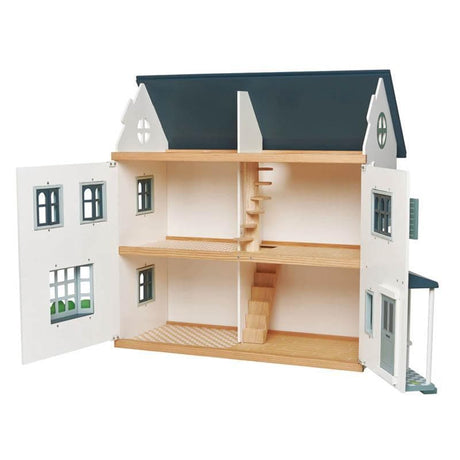
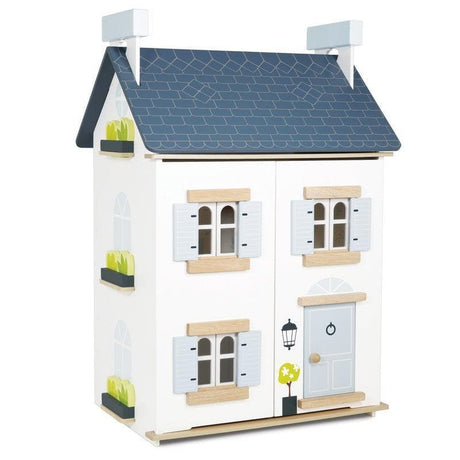
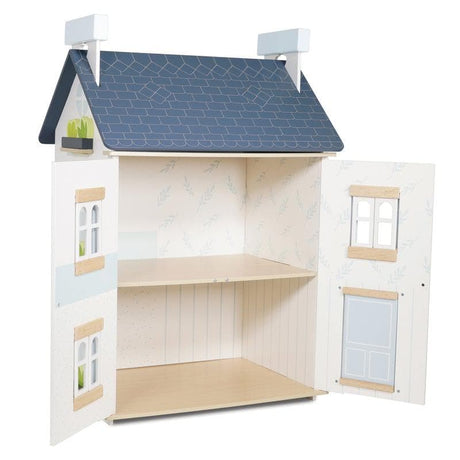




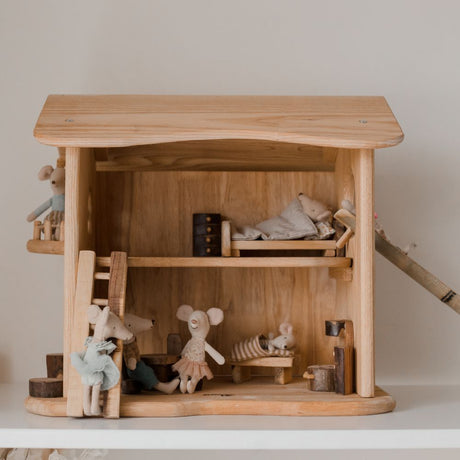
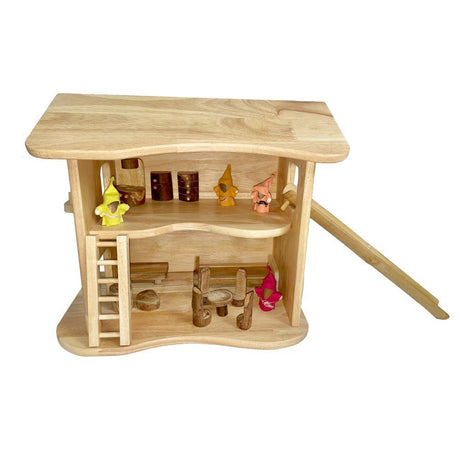
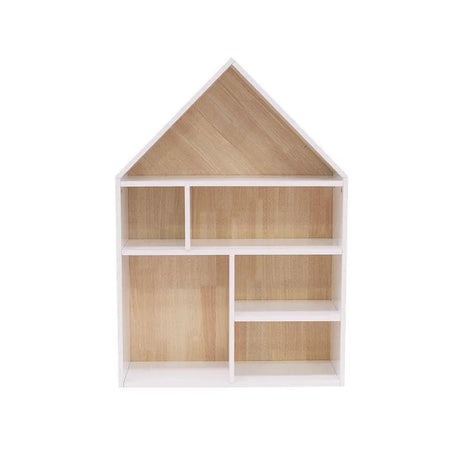
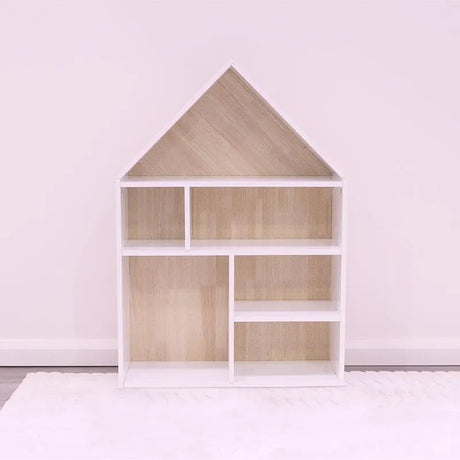
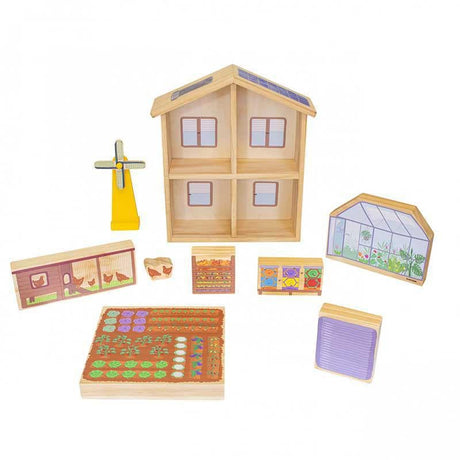
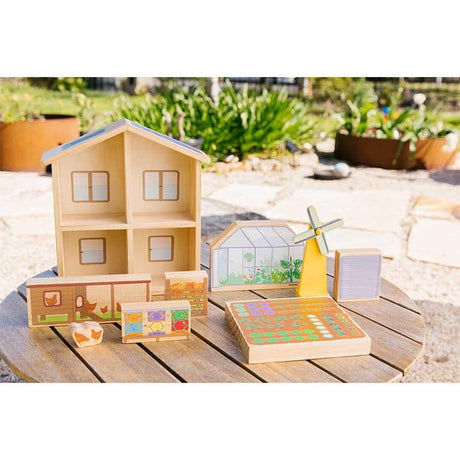
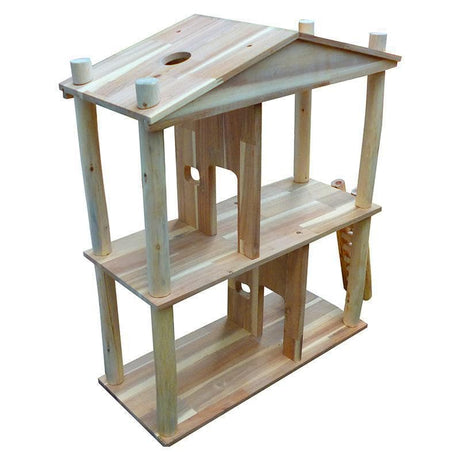
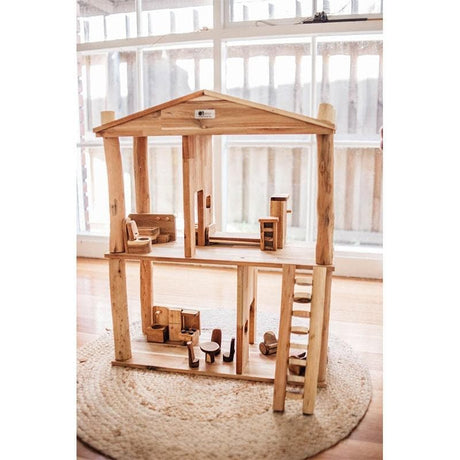
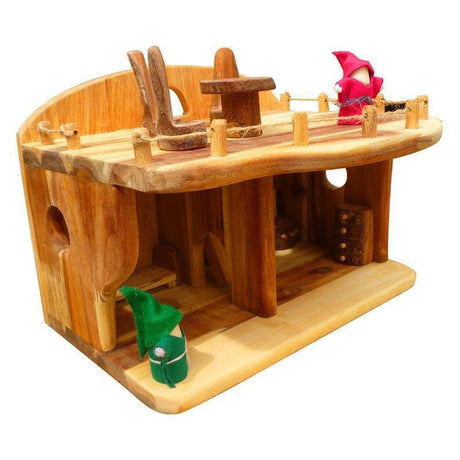
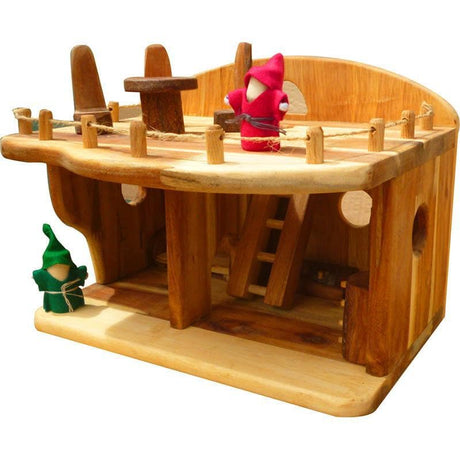
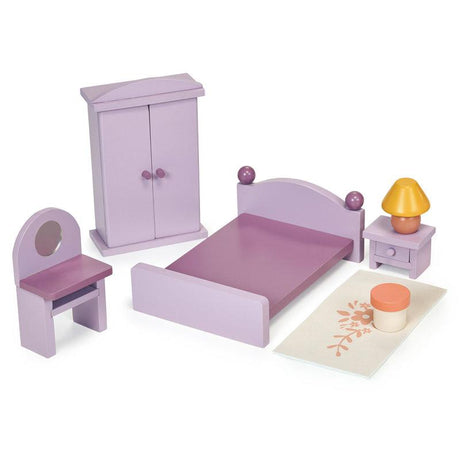
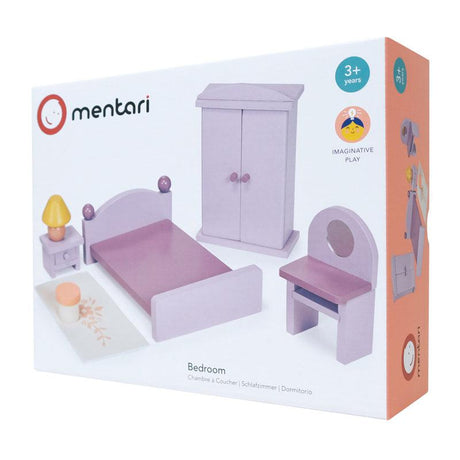
Doll Houses Designed for Storytelling, Creativity and Everyday Play
More than a toy. A miniature world they can make their own.
A well-designed doll house gives children space to create stories, explore everyday routines and act out the relationships they see around them. That is what makes doll house play so lasting — it moves from simple pretend scenes into richer storytelling, language, confidence and independent play over time.

How to choose a doll house for your child
Not all doll houses suit the same stage of play. For younger children, simpler layouts and sturdy pieces make play easier to manage. For older children, extra rooms, furniture and more detailed features help support longer stories and more immersive pretend play.
The best doll house is the one that matches how your child already likes to play — whether that is setting up rooms, acting out family routines, hosting tea parties or creating completely new imaginary worlds.
Which type of doll house should you choose?
This collection is designed to help families shop the broader doll house category without confusion — while still making it easier to choose based on age, play style and the level of detail your child will enjoy most.
For younger children
Look for sturdy doll houses with easy access, larger pieces and layouts that feel simple to explore.
For growing imaginations
Multi-room homes and furniture sets support more detailed storytelling, role play and longer independent play sessions.
For gifting
A doll house is a timeless gift that feels special on day one and continues to grow with your child over the years.
Wooden doll houses for imaginative, open-ended play
If you are shopping for doll houses in Australia, the most important things to look for are durability, play value and the way the house supports real imaginative play.
A well-designed doll house encourages storytelling, creativity and everyday pretend play, making it a lasting choice for families wanting toys that feel engaging, meaningful and beautifully made.
Keep exploring imaginative play
Explore related categories and buying guides to help families compare options, discover complementary play styles and shop the wider pretend play cluster with more confidence.
Doll House FAQs
Choosing the right doll house should feel simple. These FAQs cover age suitability, wooden doll houses, play benefits, gifting and what to look for when comparing options.
Most doll houses are best suited to children aged 3 years and over, although the right choice depends on the design, accessories and your child’s stage of play. Younger children usually benefit from simpler, sturdier doll houses with easy access, while older children often enjoy larger homes with more rooms, furniture and storytelling detail.
Doll house play supports imaginative play, language development, fine motor skills and social understanding. It gives children a small world they can arrange, explore and return to again and again, helping them build stories, act out routines and play more independently.
Wooden doll houses are a popular choice for families wanting long-term play value, durability and a more timeless look. They generally feel sturdier in everyday use and often suit open-ended play well, especially when paired with furniture and accessories that can grow with your child’s imagination over time.
A doll house can be a beautiful gift for birthdays and special occasions because it feels exciting straight away but also offers lasting play value. Unlike toys that are quickly outgrown, a well-chosen doll house can support years of imaginative play, room styling and storytelling.
When choosing a doll house, look at your child’s age, the size of the house, how easy it is to access during play, and whether the level of detail matches how they like to play. Many families also compare material, durability, included furniture and whether the design feels open enough to encourage imaginative play without being overly complicated.
There is no real difference between a doll house and a dolls house. Both terms are used to describe the same type of toy home for imaginative play. Some families search for doll house, while others search for dolls house, so you will often see both phrases used across the same collection page.