Click & Collect or 24hr Dispatch*

Natural Small World Animal Play

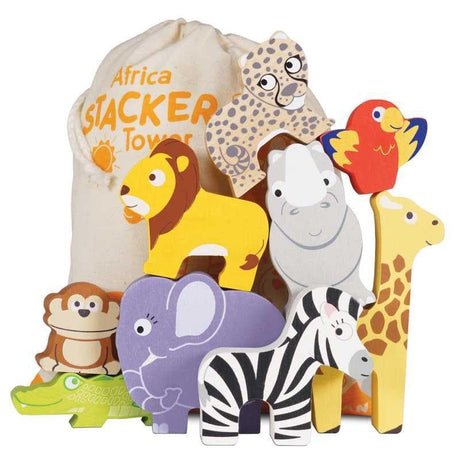
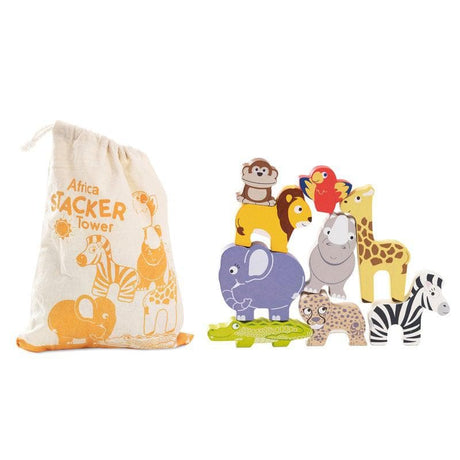
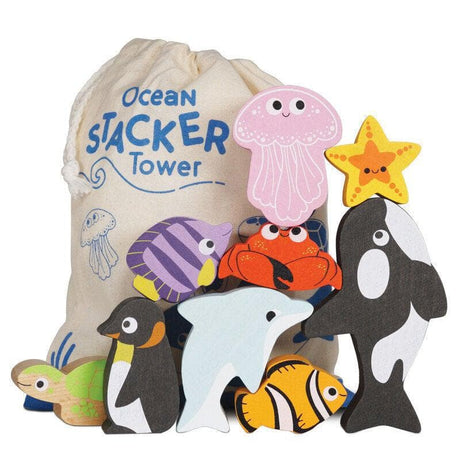
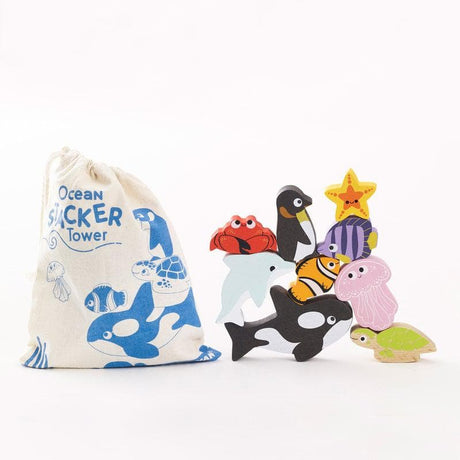
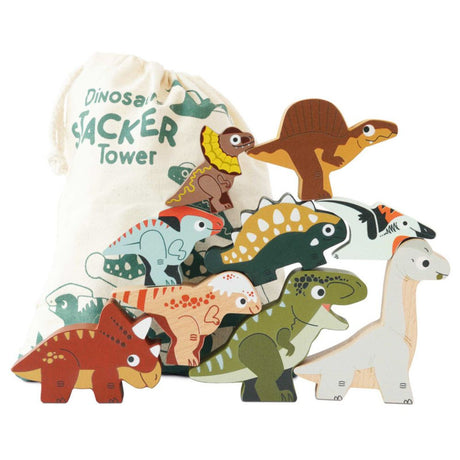
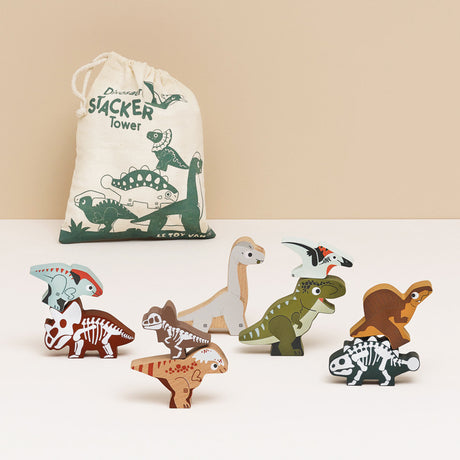
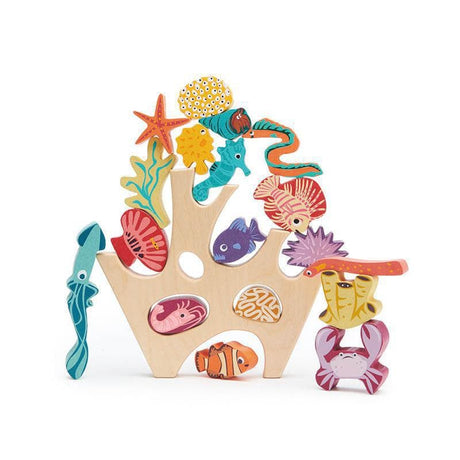
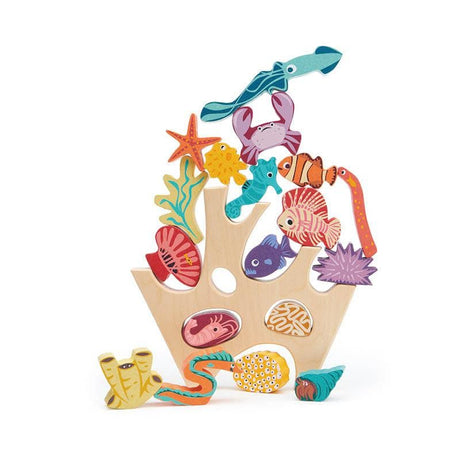
Wooden Animals


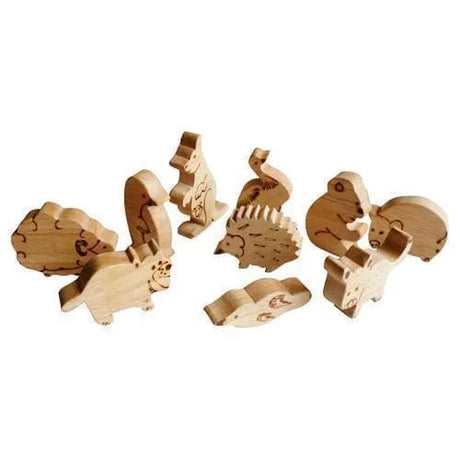
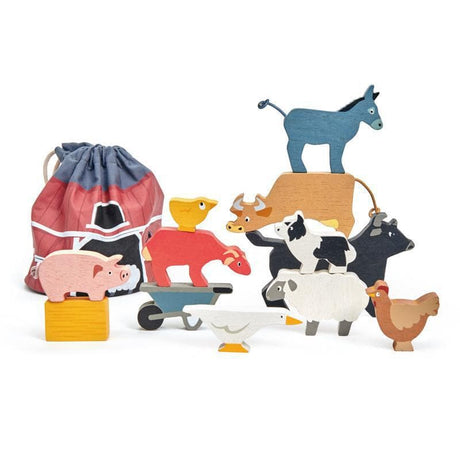
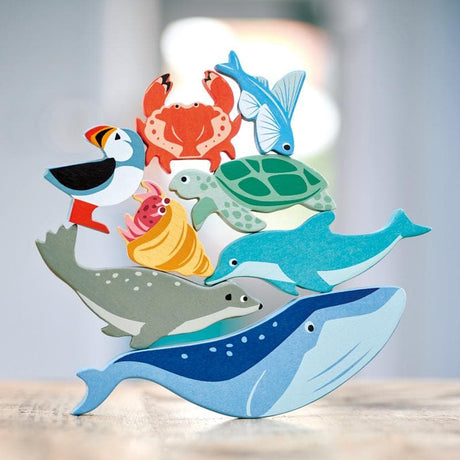
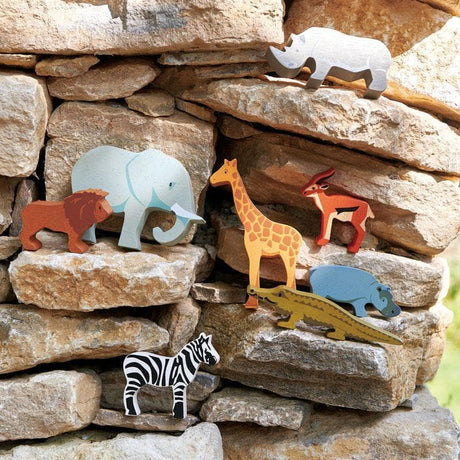
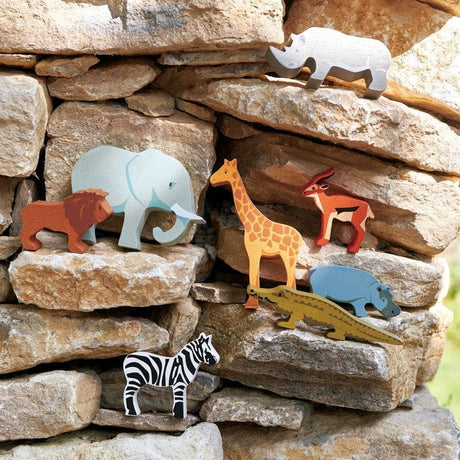
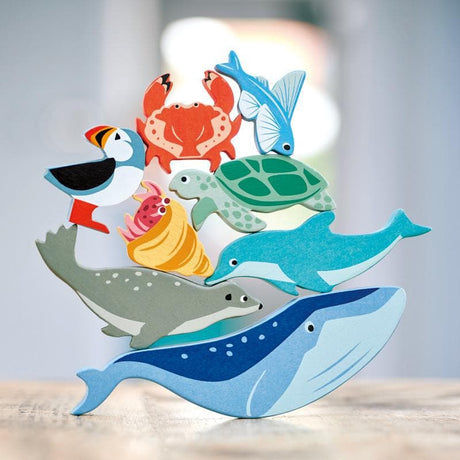
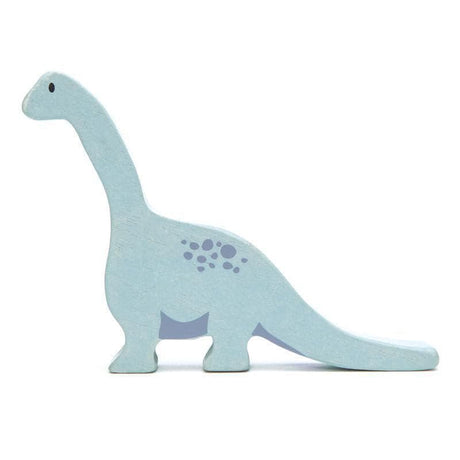
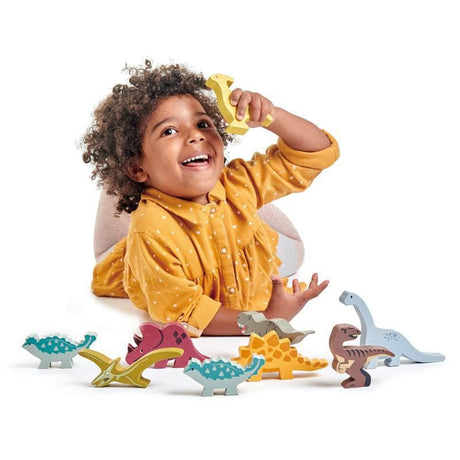
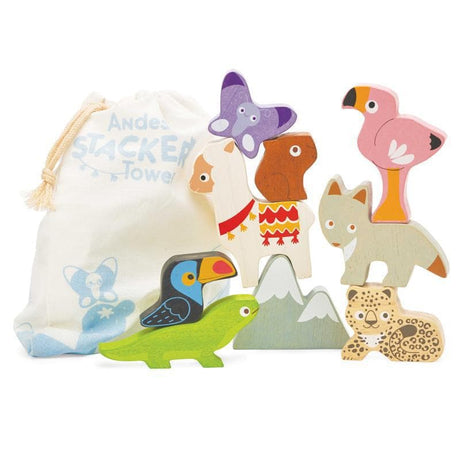
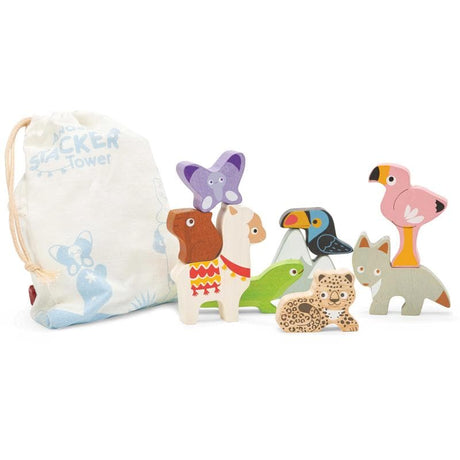
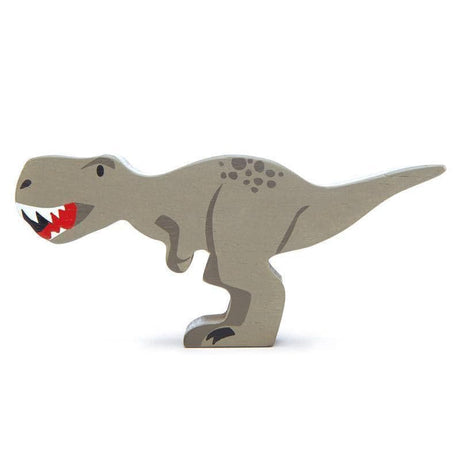
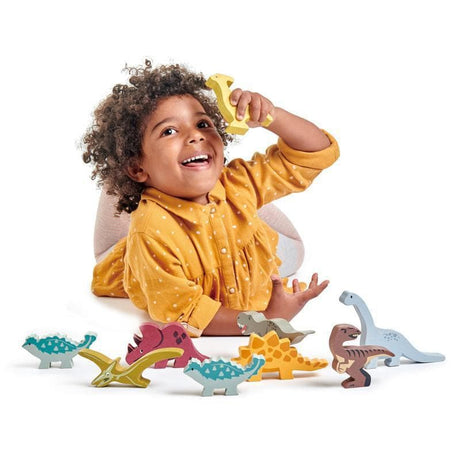
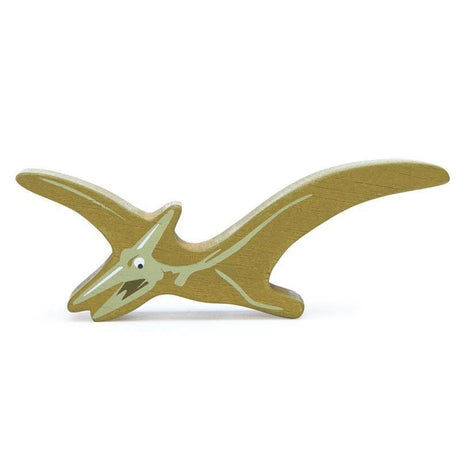
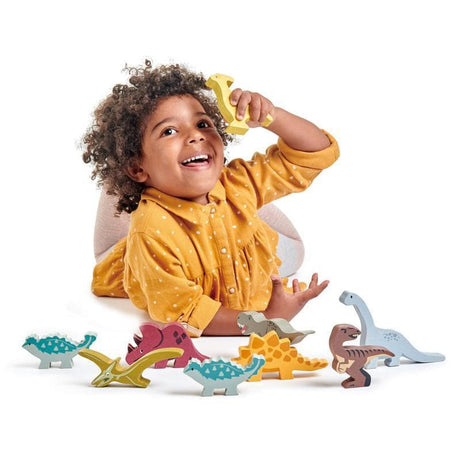
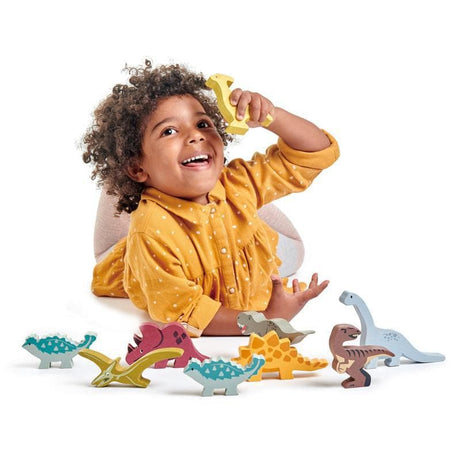
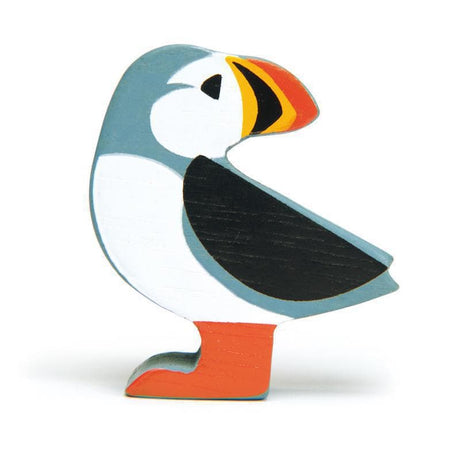
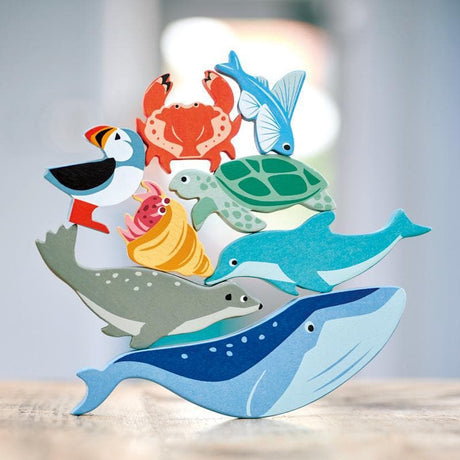
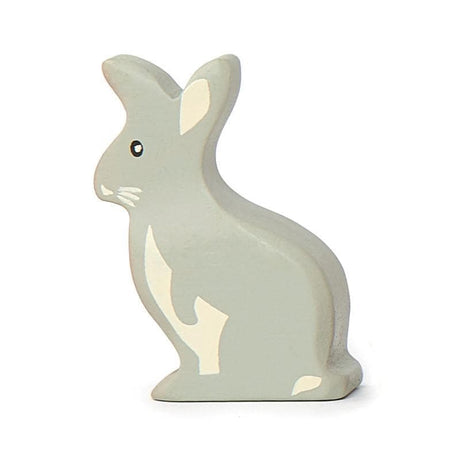
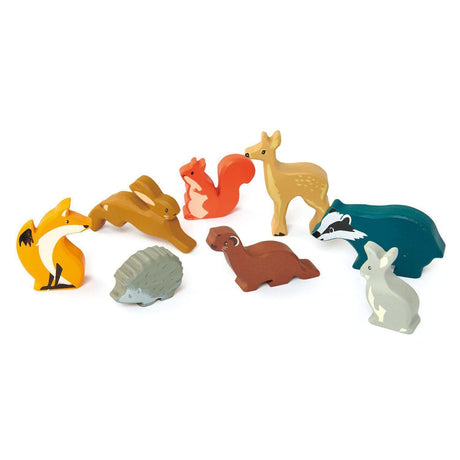
Wooden Animals encourage calm imaginative storytelling through tactile exploration, sensory play and open-ended small world adventures. From woodland creatures to farm animals and nature-inspired play sets, wooden animal toys help children create imaginative worlds using simple natural figures that support creativity without overwhelming detail or overstimulating features. Many parents choose wooden animals because they encourage slower, more intentional imaginative play while fitting beautifully into Montessori-inspired and natural play environments.


Montessori Wooden Animals for Sensory & Small World Play

Choosing the Right Wooden Animals for Your Child

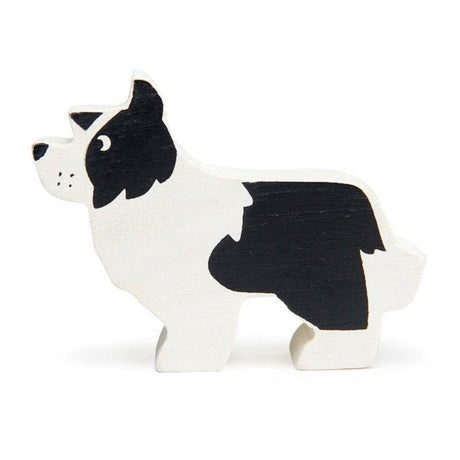
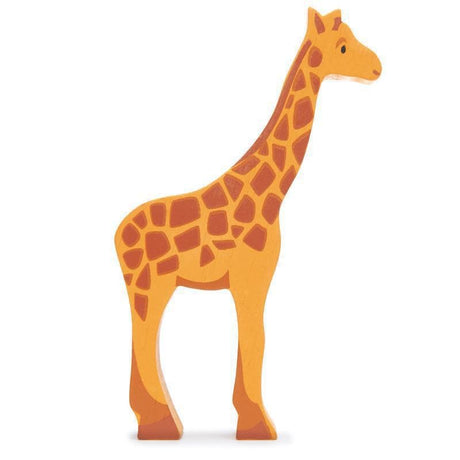
Wooden Animals are often popular with children who enjoy tactile open-ended play, storytelling and calm imaginative exploration. Some children prefer simple wooden animal figures that allow flexible imaginative storytelling, while others enjoy larger themed play sets that help create more immersive small world environments.

Parents often choose wooden animal toys because they feel calming, durable and versatile across many different styles of play including sensory trays, loose parts play, nature tables and imaginative world-building activities. The simplified design of wooden animals can also encourage children to use imagination more freely while building habitats, adventures and storytelling scenes through open-ended play.
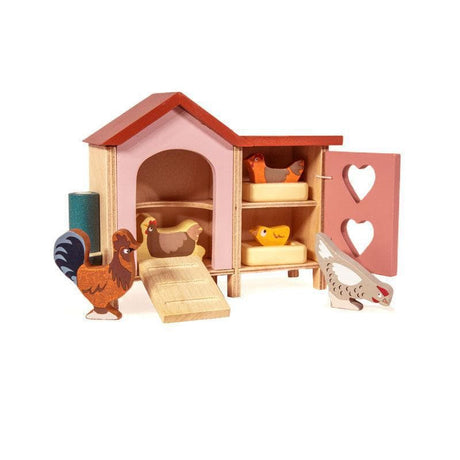
When choosing wooden animals for kids, it can help to consider your child’s age, preferred play style and whether they enjoy realistic nature-inspired play or more abstract imaginative storytelling environments.

Sensory Storytelling Calm Imaginative Play Natural Play Materials Tactile Open-Ended Play

Encourages Calm Imaginative Engagement


Wooden Animals are often chosen for their calming tactile feel and simplified open-ended design. Many children naturally engage in slower, more focused imaginative storytelling when using simple wooden animal figures during small world play.

Supports Flexible Sensory & Small World Play
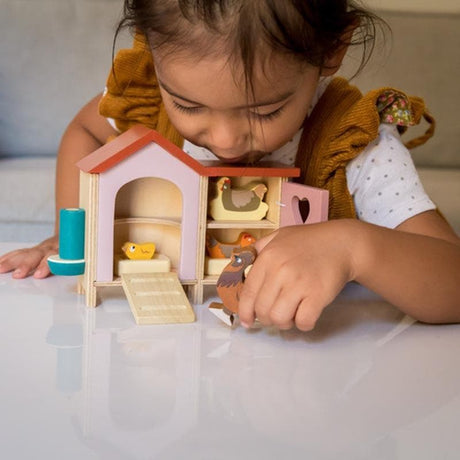

Wooden animal toys work across many different play environments including sensory trays, loose parts play, nature tables and imaginative storytelling worlds. Their flexibility often encourages repeated independent engagement through evolving imaginative scenarios.

Simplified Designs Encourage Creativity


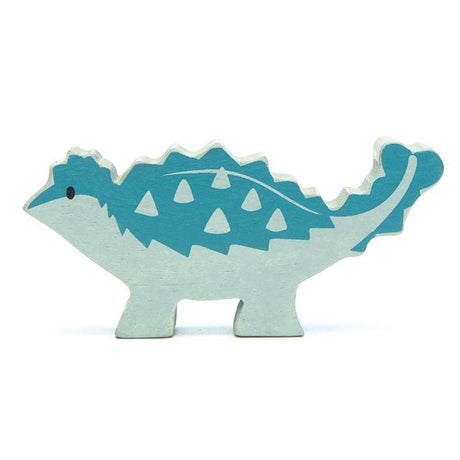
Unlike highly detailed toys, simplified wooden animals often encourage children to use imagination more actively while creating habitats, adventures and imaginative worlds through open-ended storytelling play.
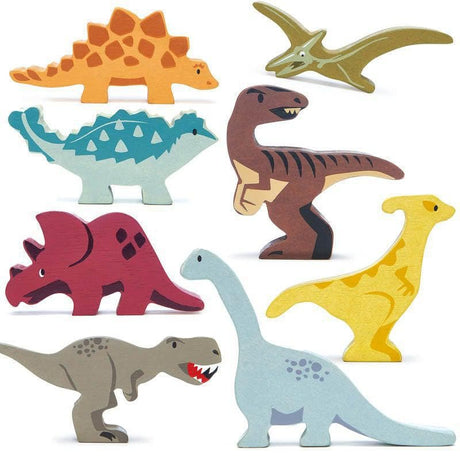
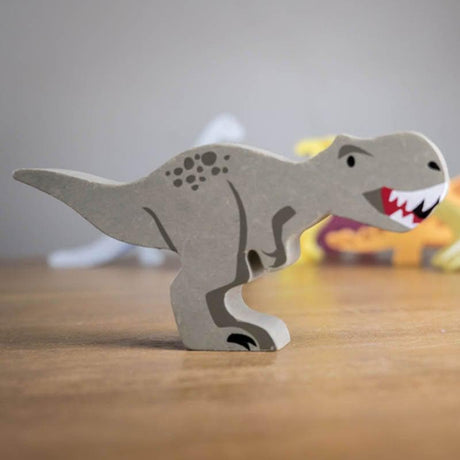
Shop by need

Open-Ended Wooden Animal Toys for Imaginative Storytelling


Simple wooden animal figures are ideal for children who enjoy building habitats, creating adventures and exploring imaginative storytelling through flexible open-ended play. Simplified designs often encourage deeper creativity and longer independent engagement.

Montessori Wooden Animals for Sensory & Small World Play


Many families use wooden animals inside Montessori-inspired play setups, sensory trays and calm small world environments because natural wooden textures encourage tactile exploration and open-ended imaginative interaction through hands-on play.

Open-Ended Wooden Animal Toys for Imaginative Storytelling


Simple wooden animal figures are ideal for children who enjoy building habitats, creating adventures and exploring imaginative storytelling through flexible open-ended play. Simplified designs often encourage deeper creativity and longer independent engagement.

Choosing the Right Wooden Animals

Which Wooden Animal Toys Suit Your Child Best?

Different children engage with animal play in different ways. Some enjoy calm tactile storytelling using simple animal figures, while others prefer larger immersive play sets that support more detailed imaginative world-building.

Choose Simpler Wooden Animals If Your Child:

  • Prefers calm sensory play Enjoys tactile open-ended toys Is newer to imaginative storytelling Becomes overwhelmed by busy toys Enjoys nature-inspired play

Choose Larger Wooden Animal Play Sets If Your Child:

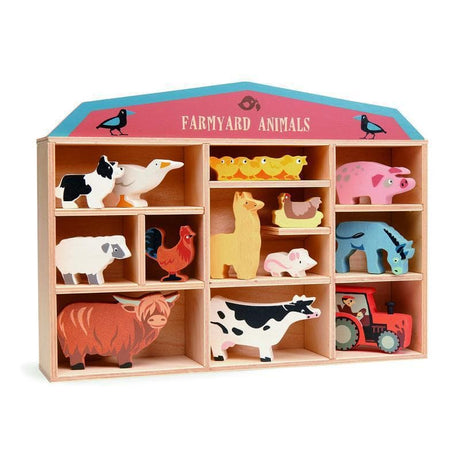
  • Builds detailed imaginative worlds Enjoys habitat and farm storytelling Frequently revisits small world play Likes combining animals with accessories Enjoys immersive storytelling environments
The best Wooden Animals usually encourage children to create imaginative stories, habitats and adventures naturally through calm open-ended play.

Why Parents Choose My Happy Helpers for Wooden Animal Play

Carefully selected wooden animal toys designed for calm open-ended imaginative play

Natural tactile materials that support sensory exploration and storytelling

Flexible small world animal collections that encourage creativity and independent play

What to Look for When Choosing Wooden Animals

The best Wooden Animals balance tactile play value, durability and open-ended imaginative potential. Parents often find children stay engaged longer when animal figures feel easy to hold, calming to interact with and flexible across multiple storytelling environments.

It can also help to consider whether your child prefers sensory-focused play, nature-inspired exploration or imaginative storytelling environments. Some children are happiest using simple wooden animals independently, while others enjoy combining them into larger small world scenes and imaginative adventures.

Wooden Animals May Not Be the Best Fit If Your Child:


Wooden Animals are usually best suited to children who naturally enjoy calm imaginative play, sensory exploration and open-ended storytelling. Children who strongly prefer highly detailed realism, electronic features or fast-paced interactive toys may engage more consistently with different styles of animal play resources.

Natural Animal Play Children Return To Again and Again
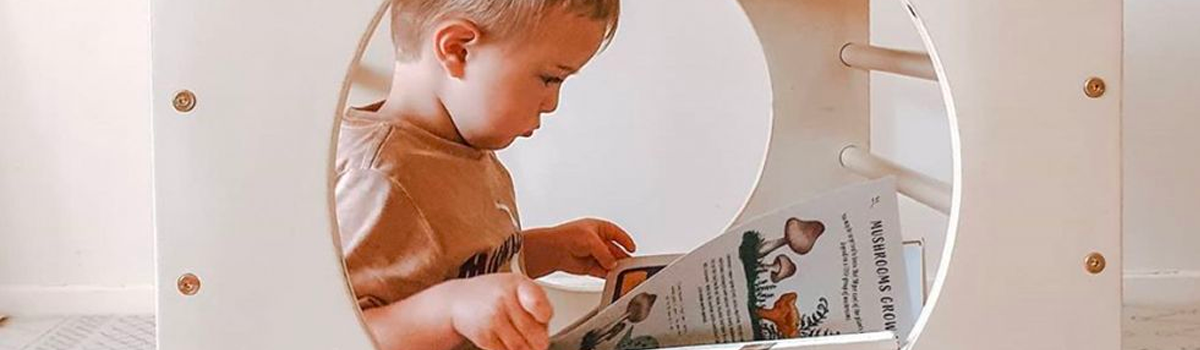
The best Wooden Animals encourage far more than simple pretend play alone. They help children create habitats, storytelling adventures and imaginative worlds through tactile open-ended play experiences that evolve naturally over time.

Whether your child enjoys woodland storytelling, farm adventures or calm sensory exploration, thoughtfully chosen wooden animal toys can become an important part of long-term imaginative engagement, creativity and independent play confidence.

Frequently asked questions
Are Wooden Animals good for toddlers?


Simple larger Wooden Animals are often ideal for toddlers because they are durable, tactile and easy to manipulate during early imaginative play. Parents should always check age recommendations carefully, particularly with smaller figures.

What should I look for in quality Wooden Animals?

Parents often look for durable wood construction, smooth finishes, easy-to-hold sizing and animal figures that encourage flexible imaginative use across storytelling, sensory and small world play environments.

Do Wooden Animals encourage independent play?


Yes. Many children naturally spend long periods building habitats, creating stories and exploring imaginative worlds independently through open-ended wooden animal play.

Can Wooden Animals be used in sensory play?


Yes. Wooden Animals are commonly used inside sensory trays, loose parts play and nature tables because natural textures and simplified forms encourage tactile exploration and imaginative storytelling through hands-on play.

Are Wooden Animals Montessori inspired?

Many Wooden Animals work beautifully within Montessori-inspired play because they encourage calm independent exploration, tactile learning and open-ended imaginative play without overstimulating electronic features.

What is the difference between Wooden Animals and Animal Figurines?


Wooden Animals usually focus on tactile open-ended play and simplified imaginative interaction, while Animal Figurines are often more realism-focused and detailed. Many families use both styles together across different small world play environments.

Are Wooden Animals good for open-ended play?


Yes. Wooden Animals are highly popular for open-ended play because children can continuously create new stories, habitats and imaginative adventures using simple tactile figures that encourage flexible storytelling rather than fixed outcomes.

What age are Wooden Animals suitable for?


Most Wooden Animals are popular for children between 2 and 6 years old depending on the size and complexity of the figures. Larger simple wooden animals are often ideal for toddlers beginning imaginative play, while older children may enjoy more detailed storytelling and habitat-building environments.