Click & Collect or 24hr Dispatch*

Further 15% Off Clearance

CLEARANCE15
Soft Sensory Comfort & Calming Tactile Play

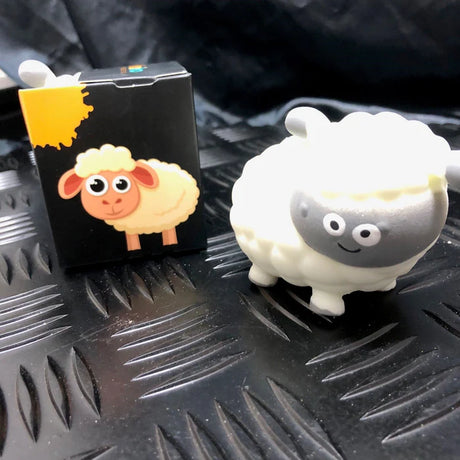
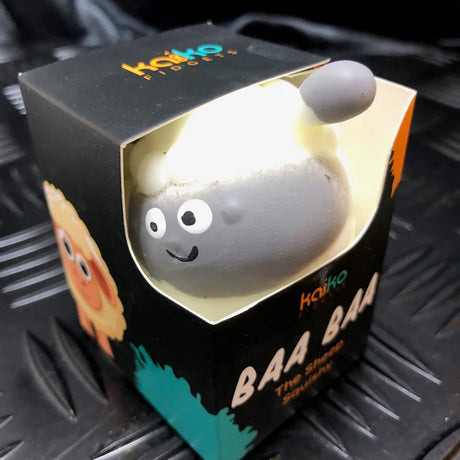
Squishy Toys for Kids

Some children naturally calm their body through squeezing, pressing, stretching, or holding soft tactile objects during moments of stress, overwhelm, transition, or sensory seeking. Squishy toys provide gentle pressure-based sensory input that can feel soothing, regulating, and emotionally grounding for children who benefit from calming tactile play.

Our collection of squishy toys for kids has been carefully selected to help families choose sensory squeeze toys that feel soft, durable, safe, and genuinely useful for emotional regulation, travel, quiet time, school breaks, and everyday calming routines. From slow-rise squishies to sensory squeeze toys with different textures and resistance levels, these tactile tools help children engage their hands in ways that feel comforting rather than overstimulating.


Calming Squeeze Toys for Anxiety, Stress & Emotional Overwhelm

Why Children Seek Soft Squeeze & Pressure Input

Many children instinctively seek tactile pressure input when they feel overwhelmed, restless, anxious, frustrated, or emotionally dysregulated. Squeezing a soft object, pressing into texture, or repeatedly manipulating a squishy sensory toy can help some children feel calmer and more physically grounded during stressful moments.

Unlike active fidget toys that focus on repetitive hand movement or concentration support, squishy toys are often more soothing and emotionally regulating in nature. Many children use them during transitions, car travel, school breaks, waiting periods, emotional overwhelm, or quiet downtime because the soft tactile resistance gives the hands and nervous system a calming sensory outlet.

This collection focuses specifically on calming sensory squishies and squeeze toys that provide soft tactile comfort without messy play, loud stimulation, or visually overwhelming features. The goal is to help parents choose sensory squeeze toys that feel practical, durable, age-appropriate, and genuinely supportive for everyday emotional regulation.

Calming Sensory Input Soft Tactile Play Emotional Regulation Sensory Comfort

Provides Calming Tactile Pressure Input

Many children naturally seek squeezing, pressing, or repetitive tactile pressure when trying to calm their body or manage overwhelm. Squishy toys provide soft sensory resistance that can feel grounding and soothing during stressful moments or sensory overload.

Supports Emotional Regulation Through Sensory Play

Calming sensory toys can help children redirect restless energy, emotional frustration, or anxious behaviours into a safer and more manageable tactile activity. For some children, soft squeeze toys become useful tools during transitions, waiting times, school breaks, or calm-down routines.

Offers Gentle Sensory Input Without Noise Or Mess

Unlike noisy fidgets or messy tactile play products, squishy toys provide quiet sensory feedback that is portable, simple to introduce, and easy for children to use independently at home or on the go.

Calming Squeeze Toys for Anxiety, Stress & Emotional Overwhelm


Some children instinctively squeeze cushions, clothing, blankets, or nearby objects when they feel anxious, frustrated, overstimulated, or emotionally unsettled. Calming squeeze toys for anxiety provide a softer and more purposeful tactile outlet that helps children engage their hands during stressful moments while encouraging emotional regulation through repetitive pressure-based sensory input.

Squishy Game Controller

Soft Sensory Squishy Toys for Travel, Waiting Rooms & Quiet Time


Portable squishy toys can be especially helpful during car trips, appointments, waiting rooms, school transitions, or quiet downtime where children may need calm tactile sensory input without large movement or noisy play. Soft sensory squeeze toys provide gentle hand-based regulation that feels soothing, contained, and easy to use across different environments.

Choosing The Right Squishy Toy

What Type Of Sensory Squeeze Input Does Your Child Prefer?

The best squishy toy for kids depends on how much tactile resistance your child seeks, where the toy will be used, and whether they respond best to soft calming pressure or stronger squeeze feedback.

Choose Softer Calming Squishies If Your Child:

  • Becomes overwhelmed easily Uses squeezing to self-soothe Prefers gentle tactile textures Needs calm-down sensory support Benefits from quiet sensory tools during transitions

Choose Stronger Resistance Squishy Toys If Your Child:

  • Seeks firmer squeeze feedback Constantly squeezes nearby objects Enjoys repetitive tactile pressure Needs more noticeable sensory input Benefits from stronger hand-based sensory engagement
If you are unsure where to begin, soft slow-rise squishy toys are often the easiest and most calming option for children who are new to tactile sensory squeeze tools.

Selected for calming tactile sensory input and soft pressure-based sensory feedback

Helps support emotional regulation, transitions, and quiet sensory routines

Carefully chosen for durability, portability, and child-friendly tactile comfort

What To Look For In Squishy Toys

When choosing squishy toys for kids, consider how your child naturally seeks tactile input and where the toy will be used most often. Some children prefer very soft slow-rise squishies that feel soothing and calming, while others seek firmer resistance and stronger squeeze feedback. Durability, cleanability, texture, resistance level, portability, and age suitability all matter, especially if the toy will be used regularly during school transitions, travel, calm-down routines, or emotional regulation periods.

When Squishy Toys May Not Be The Best Fit

Squishy toys may not suit children who seek stronger movement-based sensory input, messy tactile play, or repetitive hand manipulation rather than soft pressure feedback. Some children respond better to fidget tools, slime and putty, oral sensory tools, or active movement toys depending on how they regulate their body and sensory needs throughout the day.

Soft Sensory Support That Helps Children Feel More Settled
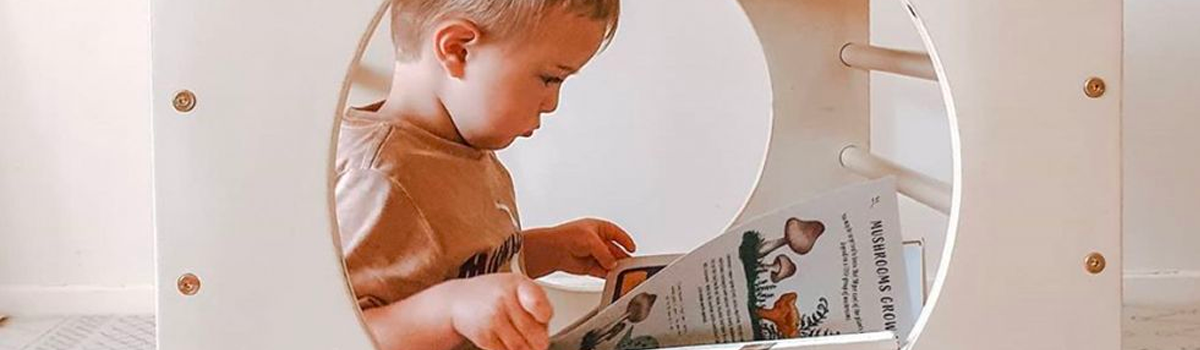
The right squishy toy can provide children with a calming tactile outlet that feels comforting, regulating, and easy to use during stressful or overwhelming moments. Whether your child seeks soft squeeze input during transitions, emotional regulation support during the day, or quiet tactile comfort while travelling or waiting, sensory squishy toys can help create calmer and more manageable sensory experiences through simple hands-on sensory play.

Frequently asked questions
What should I look for when buying sensory squishy toys?

When choosing sensory squishy toys for kids, consider the texture, squeeze resistance, durability, portability, and how your child naturally seeks tactile input. Some children prefer extremely soft calming squishies, while others enjoy firmer squeeze resistance or textured tactile feedback. Products designed for regular use should also feel durable, easy to clean, and age-appropriate for the child using them.

Are squishy toys safe for toddlers?

Squishy toys for toddlers should always be chosen carefully based on the child’s age, mouthing behaviours, and supervision needs. Some squishy toys contain fillings, gels, or softer materials that may not be suitable for younger children who bite, chew, or tear products aggressively. Parents should always choose durable, age-appropriate sensory squeeze toys and supervise younger children during use.

Can squishy toys help emotional regulation?

Yes. Many children use tactile pressure and repetitive squeezing as part of how they calm their body and regulate emotions during moments of frustration, stress, anxiety, or overwhelm. Soft sensory squishy toys can provide a safe tactile outlet that helps redirect emotional energy into a repetitive calming sensory activity.

Are sensory squishy toys good for autistic children?

Some autistic children enjoy squishy sensory toys because the soft tactile pressure can feel calming, predictable, and emotionally regulating. Sensory squeeze toys may support self-soothing, tactile sensory exploration, and emotional regulation during stressful or overstimulating situations. However, sensory preferences vary greatly, and some children may prefer firmer resistance, textured fidgets, movement toys, or slime and putty instead.

What is the difference between squishy toys and fidget toys?

Squishy toys are primarily focused on calming tactile pressure and soft squeeze feedback, while fidget toys are usually designed for repetitive hand movement such as twisting, clicking, rolling, or manipulating objects during focus tasks. Squishy toys are often more emotionally regulating and soothing, whereas fidget toys are commonly used to support concentration, seated focus, or restless hand movement during learning and listening activities.

What age are squishy toys suitable for?

Most squishy toys for kids are best suited to children aged 3 years and older depending on the size, materials, durability, and supervision requirements. Younger children may still mouth, bite, or pull sensory toys aggressively, so age-appropriate sizing and material safety are important considerations when choosing sensory squeeze toys for toddlers or preschoolers.

Are squishy toys calming for children with anxiety?

For some children, calming squeeze toys for anxiety can help provide repetitive tactile pressure that feels soothing and emotionally grounding during stressful moments. Squeezing a soft sensory toy may help children regulate nervous energy, reduce restlessness, or feel calmer during transitions, waiting periods, travel, school breaks, or emotionally overwhelming situations. The effectiveness depends on the child’s individual sensory preferences and emotional regulation needs.

What are squishy toys good for?

Squishy toys for kids provide soft tactile pressure input through squeezing, pressing, stretching, or manipulating soft sensory materials. Many children naturally seek tactile pressure when they feel anxious, overwhelmed, restless, frustrated, or emotionally dysregulated. Sensory squishy toys can help redirect that need into a calmer and more manageable sensory activity while providing comforting hand-based sensory feedback.